Mountain Landscape in Tirol with Chamois — History & Facts
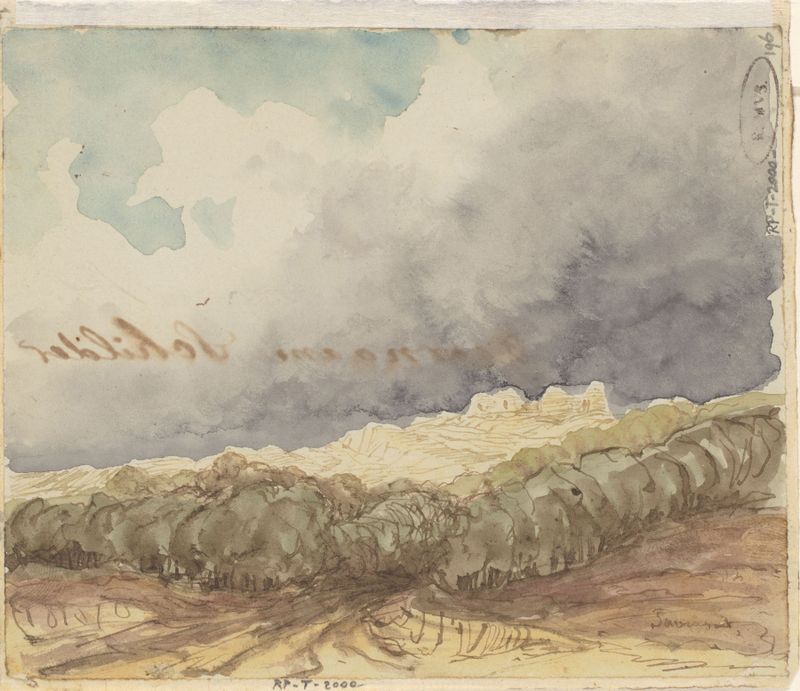
Could a single brushstroke hold eternity? In Mountain Landscape in Tirol with Chamois, the chaos of nature is captured in a moment suspended between the wild and the serene, inviting viewers to contemplate the intricate dance of life against the backdrop of timeless mountains. Look to the foreground, where the artist places a solitary chamois, its lithe form poised amidst a riot of greens and browns. Notice how the light falls upon its fur, accentuating the creature’s delicate features, while the dramatic hues of the surrounding landscape rise like waves toward the sky. The brushwork is both precise and free, creating a textured surface that vibrates with energy — a testament to nature’s chaotic beauty. Deeper still, the juxtaposition of the chamois against the sweeping, imposing mountains speaks to the tension between fragility and strength.
The soft contours of the animal’s body contrast with the jagged peaks that loom above, reminding us of the precarious balance that defines existence. Each element — from the swirling clouds to the intricate foliage — encapsulates a moment of harmony within the chaos, prompting reflections on the interconnectedness of life and landscape. In 1858, Johannes Tavenraat painted this work during a time when the Romantic movement was flourishing, capturing the interplay of emotion and nature. He was deeply influenced by the breathtaking scenery of the Tyrol region, where he found inspiration amid the burgeoning interest in portraying the sublime and untamed aspects of the natural world.
Tavenraat's work represents a bridge between the emotional explorations of his predecessors and the burgeoning realism of his contemporaries, situating him firmly within the evolving narrative of 19th-century art.