The Thunderstorm — History & Facts
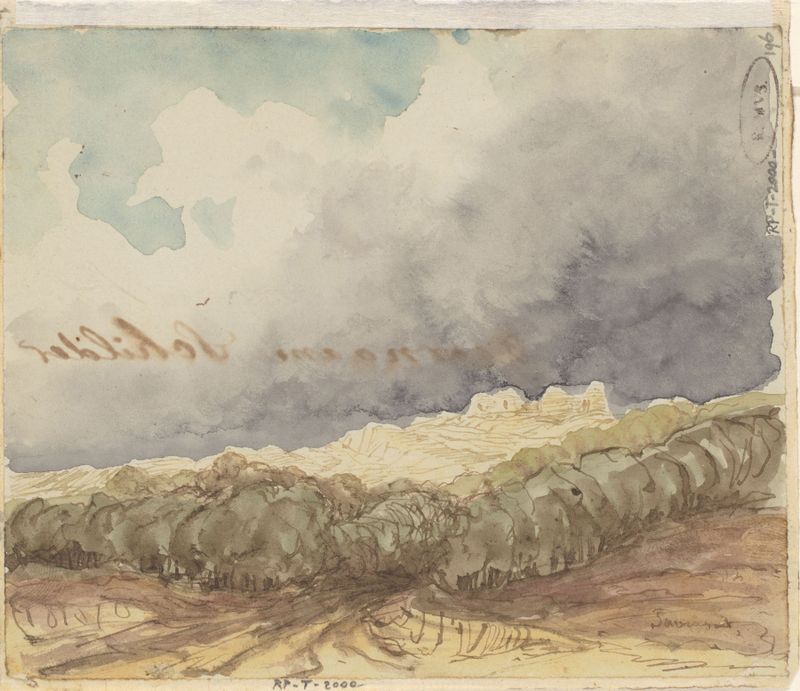
When did color learn to lie? The hues of twilight seem to whisper secrets, weaving reality and dream into a tapestry of uncertainty. Focus on the tumultuous sky, where dark storm clouds churn and twist, threatening to unleash their fury. The artist's brush captures the dramatic interplay of deep grays, inky blacks, and flashes of unsettling greens that create a foreboding ambiance. Notice how the light breaks through in streaks, illuminating distant landscapes — an ethereal glow that contrasts sharply with the impending chaos, inviting the viewer's gaze to explore the tension within the composition. Delve deeper into the emotional landscape of the painting.
The ominous storm clouds symbolize the inner turmoil of the human spirit, while the serene horizon hints at hope and possibility. This duality invites contemplation on the balance between despair and tranquility. The juxtaposition of vibrant colors against dark shadows acts as a reminder of the fragility of dreams, suggesting that beauty often resides within turmoil itself. Johannes Tavenraat painted this work in 1843, amidst a period where Romanticism flourished in Europe, emphasizing emotion and nature's grandeur.
His life was marked by a pursuit of capturing the sublime, reflecting the growing fascination with the mysterious forces of nature and their impact on the human experience. The artwork emerges as a testament to his mastery, revealing not just a storm, but the complexity of the dreams stirred within us all.