Storms on the Coast — History & Facts
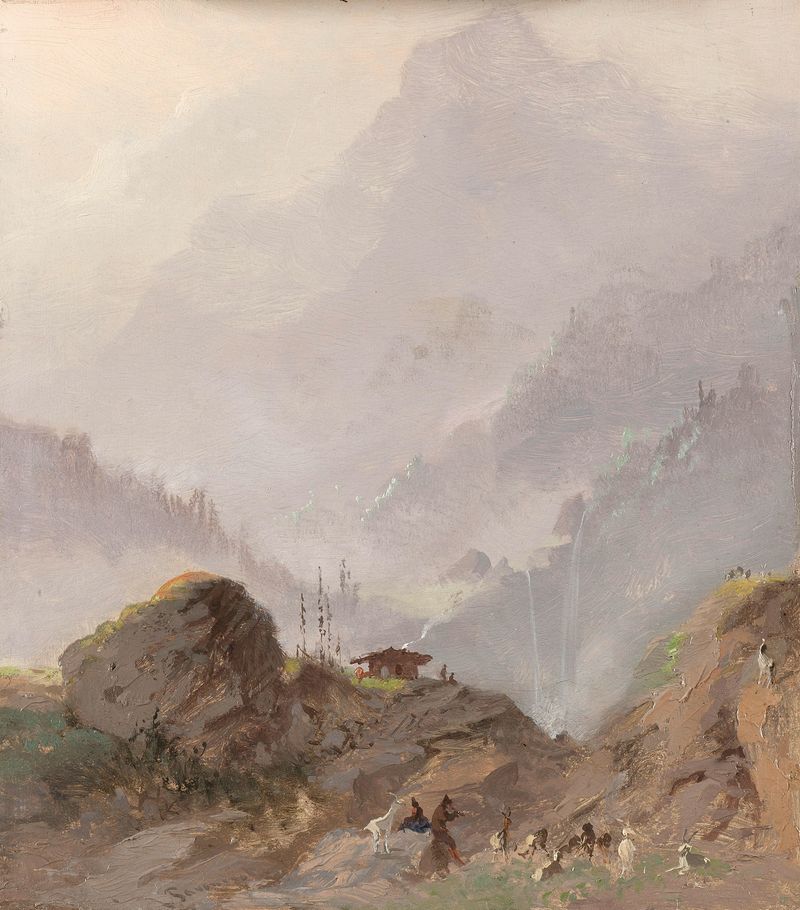
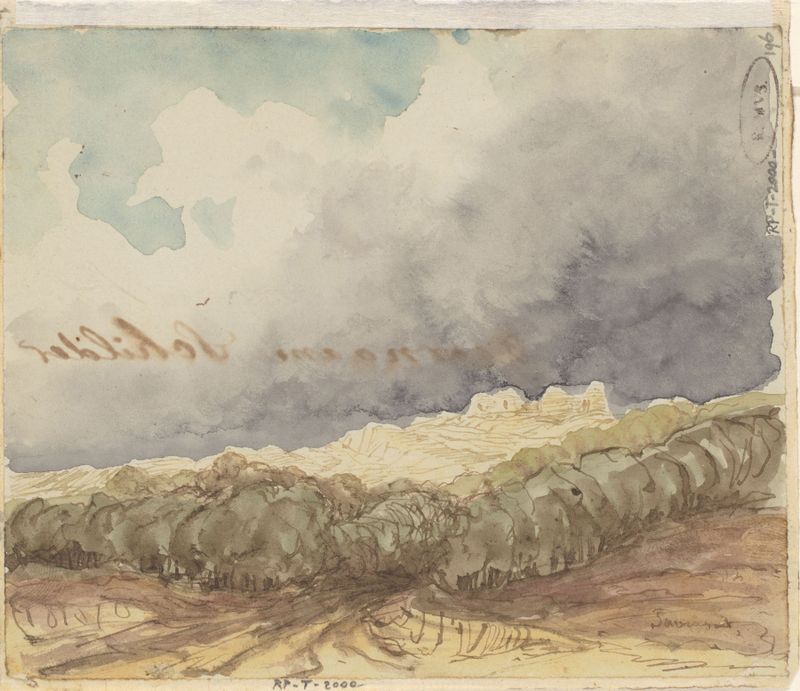
In the tumult of nature's fury, the unseen artist captures sublime awe, transforming the storm’s chaos into a hauntingly beautiful spectacle. Focus on the dramatic contrast between the swirling dark clouds and the bright flashes of lightning that fracture the sky. Notice how the tumultuous waves clash against the rocky shore, rendered in rich, textured strokes that evoke both turbulence and movement. The color palette—deep blues and moody grays—dominates, punctuated by the stark white of crashing waves, inviting the viewer to feel the raw energy of the scene. Beneath this tempest lies a reflection on the duality of nature.
Each crashing wave not only signifies destruction but also a rebirth, as foamy crests transform into a silvery mist under the moonlight. The interplay of light and shadow reveals the tension between despair and hope, suggesting that from chaos arises beauty. The viewer can't help but perceive a deeper emotional resonance—an acknowledgment of nature's power and the human spirit's resilience. Johannes Tavenraat created Storms on the Coast between 1830 and 1860, a period marked by Romanticism's embrace of emotion and nature’s grandeur.
He lived in the Netherlands, where coastal storms were a common spectacle, and this environment influenced his work. As artists sought to convey intense emotion through landscape, Tavenraat's approach mirrored the larger artistic movement, reflecting both the beauty and terror inherent in nature.