Sand Excavation — History & Facts
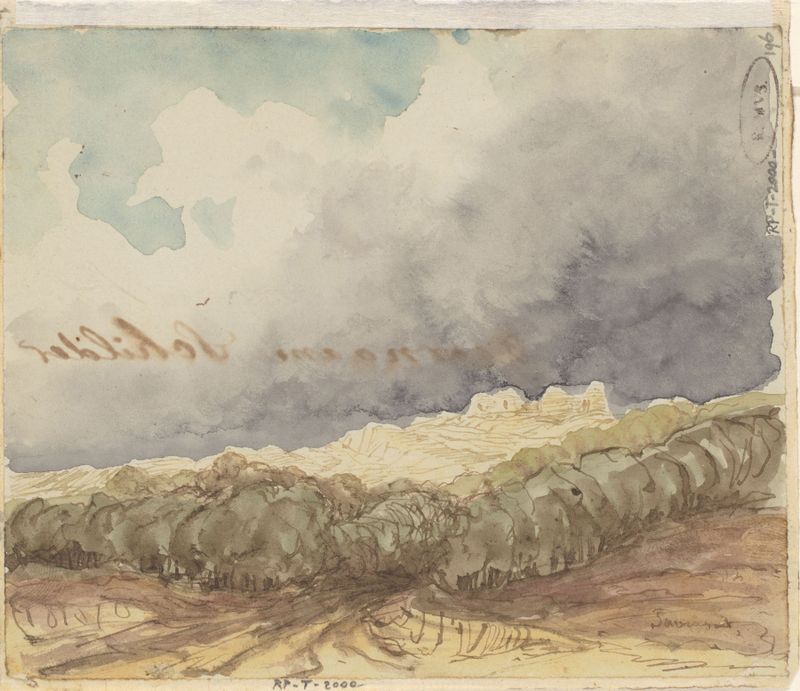
In the quiet act of excavation, we find the possibility of rebirth—a transformation through labor and time. The act of digging into the earth speaks not just of the physical, but of the profound metaphor of existence itself. Focus on the center of the composition, where the figures of laborers, bent under the weight of their toil, draw your attention. Notice the muted yet earthy palette of browns and ochres, evoking the very sand they excavate.
The light filters through the scene, illuminating the workers’ faces with a soft glow that hints at both exhaustion and purpose. Each stroke of paint captures the texture of the sand and the sweat on their brows, weaving an intricate tapestry of toil and resilience. As you explore the details, consider the juxtaposition of human effort against the vast expanse of nature. The figures, though small in the grand landscape, embody a powerful narrative of struggle and aspiration.
The rippling sands symbolize both the earth’s richness and the burden of labor, while the distant horizon suggests hope and the infinite possibilities that arise from such humble beginnings. This artwork transcends mere depiction; it invites us to reflect on our own journeys of renewal. In 1839, during a time of significant industrial change in Europe, the artist painted this piece while immersed in the evolving landscape of art and society. Tavenraat was witnessing a shift towards realism, where the lives of common people began to take center stage.
His commitment to portraying laborers reflects a growing awareness of the dignity in manual work, capturing not just a moment in time, but also the spirit of an era poised for transformation.