
Mountain Scene — History & Facts
Who listens when art speaks of silence? In the serene expanse of Mountain Scene, tranquility resonates, inviting introspection and contemplation of nature's delicate balance. Look to the left at the towering peaks, their majestic forms rendered with a soft palette of blues and grays, kissed by the afternoon light. Notice how the sunlight illuminates the valleys below, creating a gentle contrast with the shadows that cradle the lower slopes. The artist's deft brushwork captures the ethereal quality of the atmosphere, as clouds drift lazily across the sky, adding a sense of movement to this still landscape. Hidden within the silence are the whispers of conflict and harmony.
The powerful mountains symbolize the unyielding forces of nature, while the gentle slopes and delicate foliage suggest a coexistence that defies harshness. This interplay between strength and fragility evokes a profound understanding of balance, allowing viewers to reflect on their own relationship with the natural world—a reminder of vulnerability amid grandeur. In the mid-1860s, Thomas Moran was deeply influenced by the American West, having traveled to landscapes that were both awe-inspiring and untouched. Painted around 1865, this work emerged during a time of burgeoning interest in the natural beauty of the United States, coinciding with the establishment of national parks and a growing appreciation for environmental preservation.
In creating Mountain Scene, he not only captured a breathtaking vista but also contributed to the artistic dialogue advocating for the protection of the American wilderness.
More Artworks by Thomas Moran
Browse all →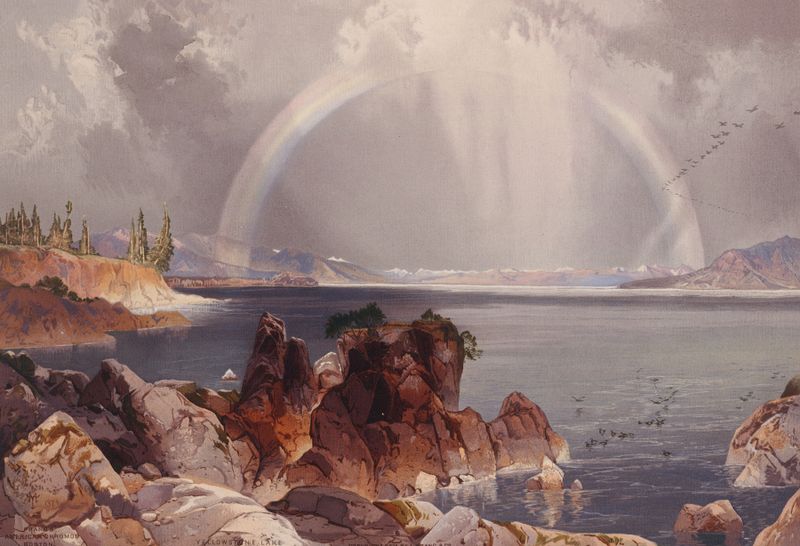
Yellowstone Lake
Thomas Moran

Grand Canyon of the Colorado River
Thomas Moran

Grand Canyon, Colorado River
Thomas Moran

The Towers of Tower Falls, Yellowstone
Thomas Moran
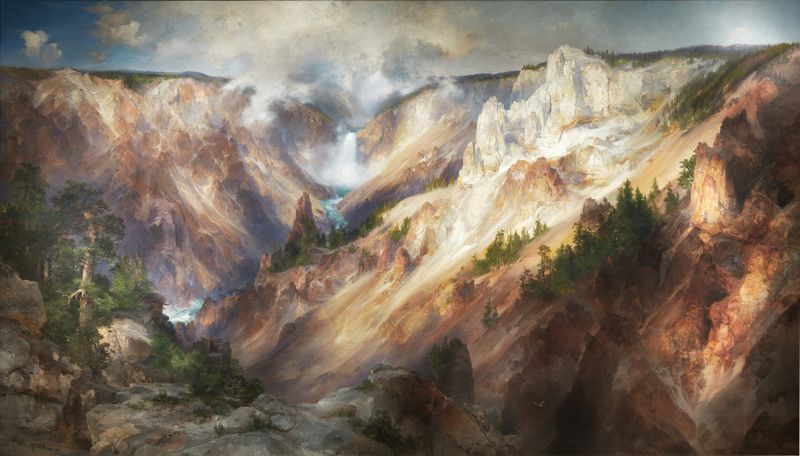
The Grand Canyon Of The Yellowstone
Thomas Moran

Mountain of the Holy Cross
Thomas Moran

Cliffs Of The Upper Colorado River, Wyoming Territory
Thomas Moran
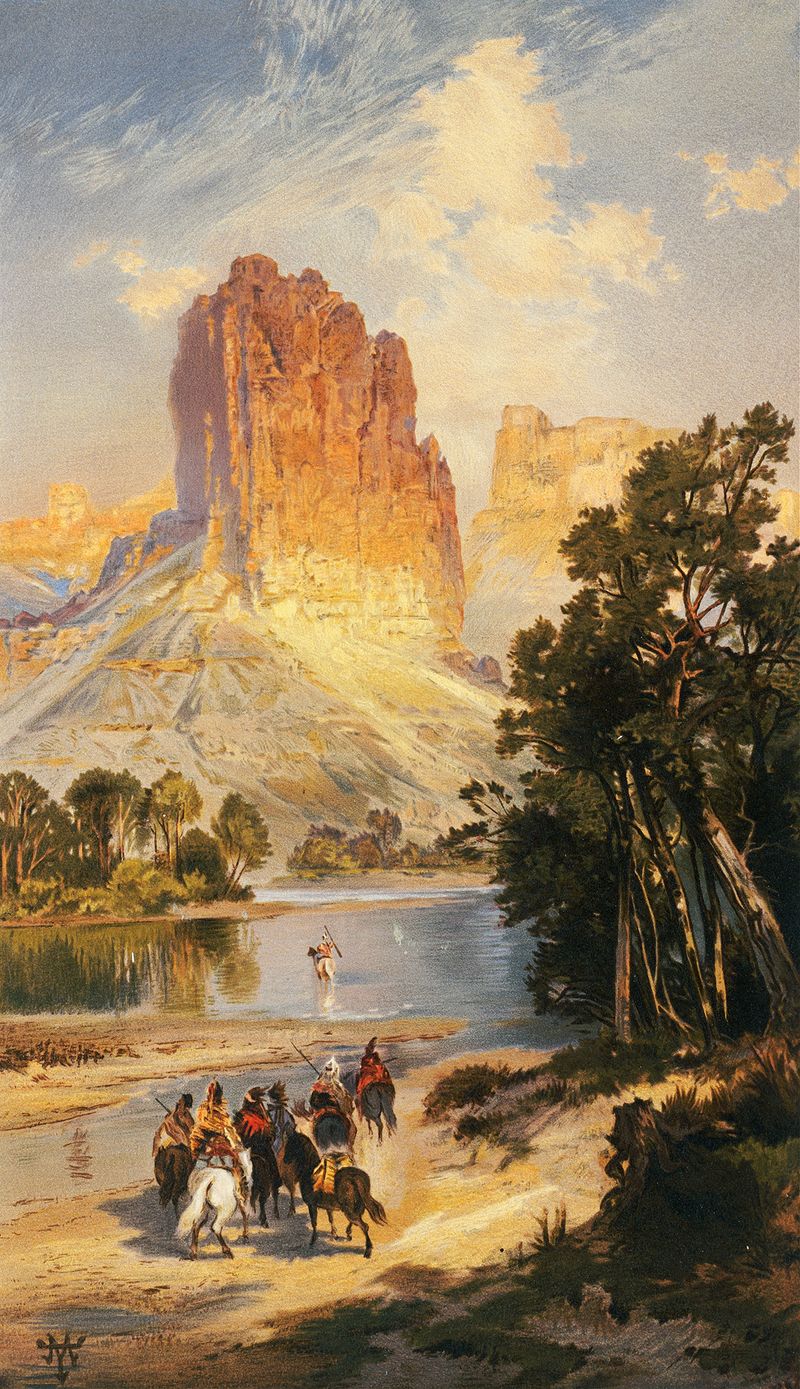
Cliffs of the Upper Colorado River, Wyoming Territory
Thomas Moran

Mammoth Hot Springs, Yellowstone
Thomas Moran
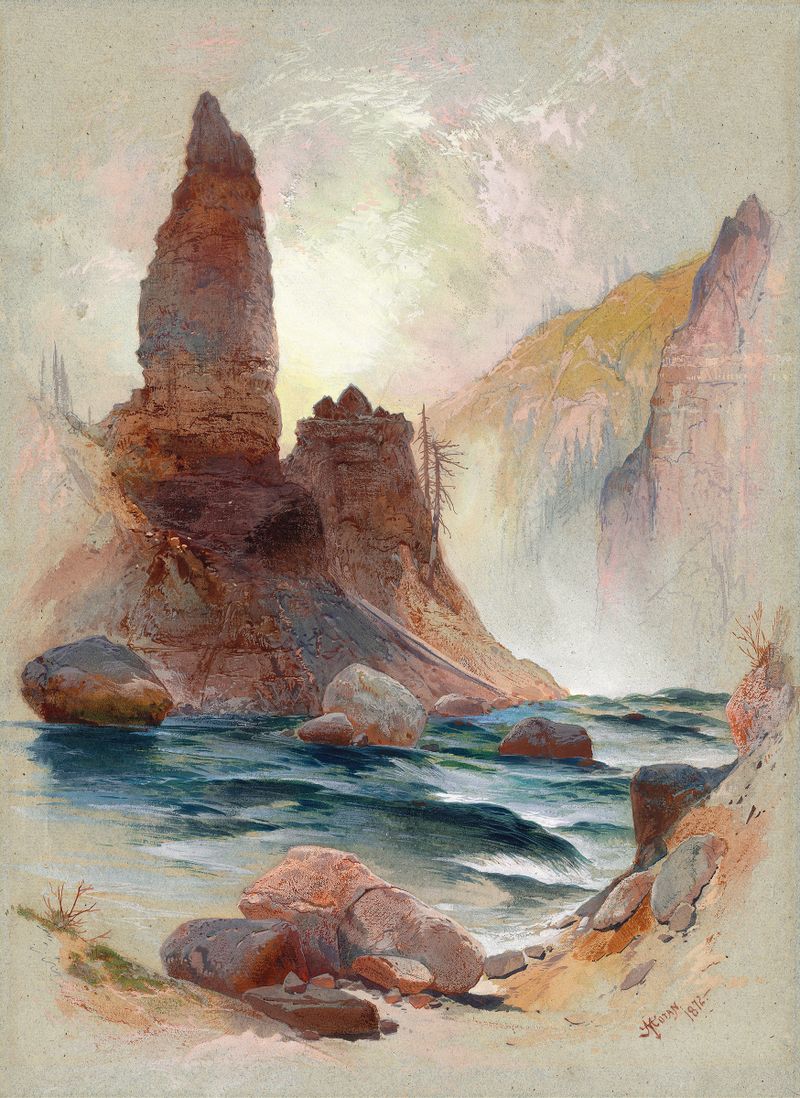
Tower at Tower Falls, Yellowstone
Thomas Moran





