
Mountainous Landscape with a River — History & Facts
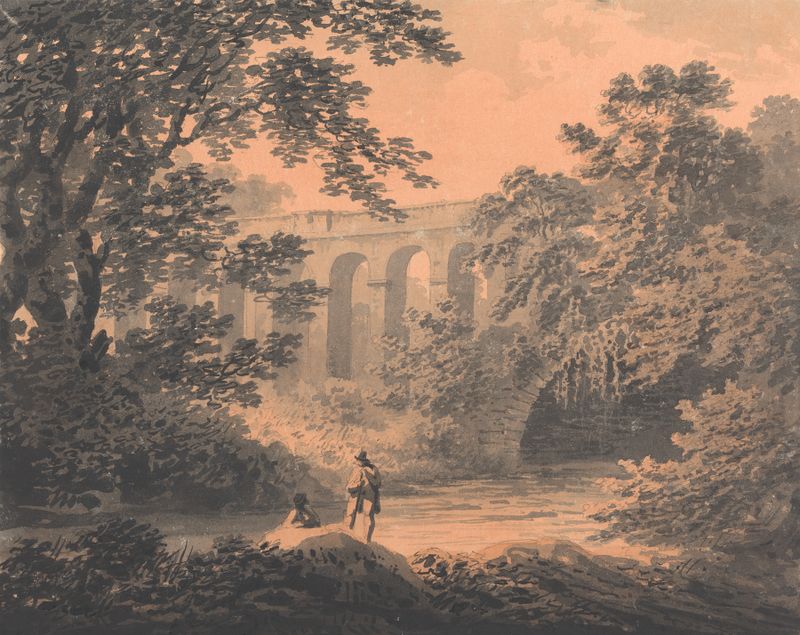
In the quiet solitude of nature, emotions entwine with the landscape, whispering stories of what was lost and what remains. Look to the left at the tranquil flow of the river, where the soft blues and greens intertwine, inviting your gaze to linger. The artist employs a delicate balance of light and shadow, creating depth that suggests both serenity and unease. The mountains loom in the background, their jagged peaks piercing the sky, while the curving river foreground leads the eye into a world filled with promise yet infused with an undercurrent of betrayal. The interplay of color reveals an emotional tension — the vibrant hues of the river contrast sharply with the foreboding dark tones of the mountains.
This juxtaposition evokes a sense of conflict within the landscape, hinting at hidden narratives of abandonment and disillusionment. Each stroke carries an emotional weight, as though the mountains bear witness to forgotten vows and the river conceals unspoken truths. Painted between 1745 and 1748, this work emerged during a period of shifting artistic ideals. Gilpin was exploring landscapes that bridged the gap between reality and imagination, aligning with the broader movement toward Romanticism in art.
During this time, he found himself captivated by the English countryside, reflecting both a personal journey and the evolving dynamics of nature in European art.
More Artworks by William Gilpin
Browse all →
Bridgnorth Bridge, Shropshire
William Gilpin
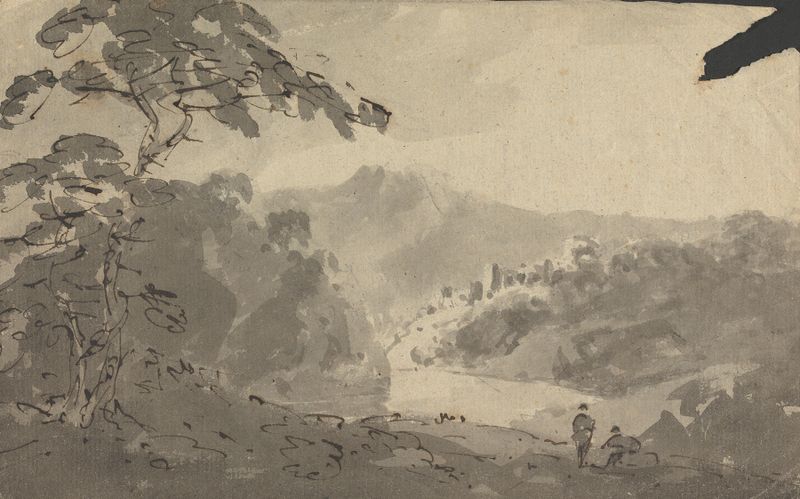
Two Men Looking Into Landscape with Castle, River and Mountain Scene
William Gilpin
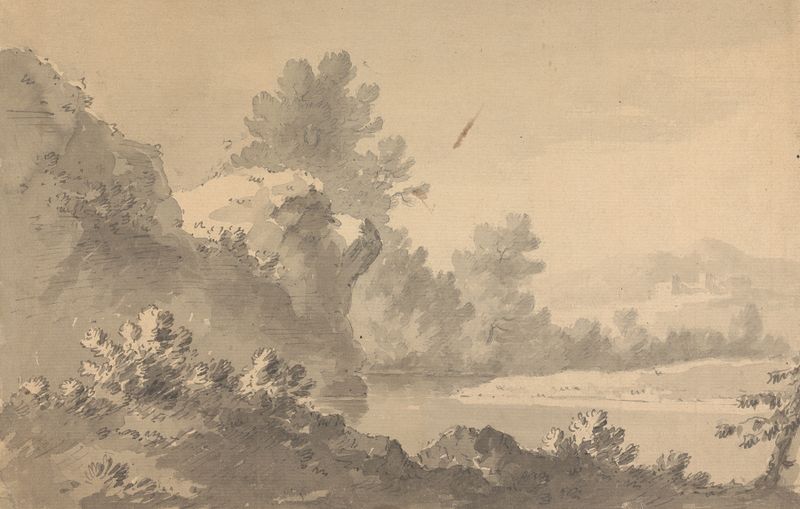
River Landscape with Castle in the Distance
William Gilpin
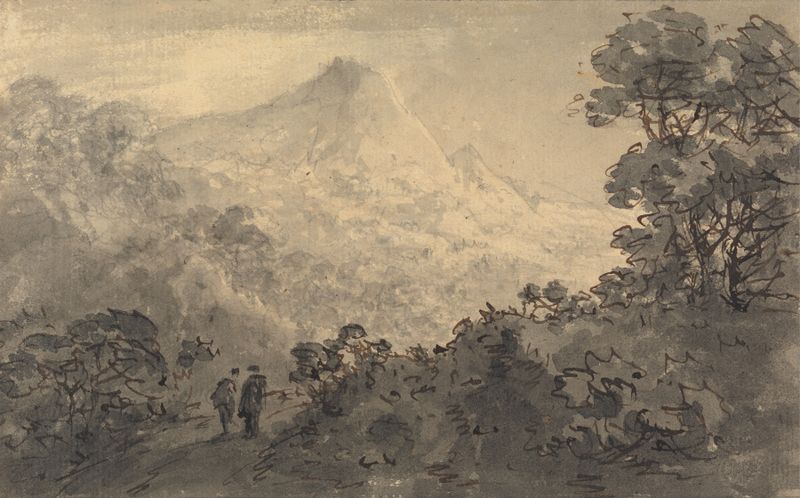
Snowdon
William Gilpin

Hilly Landscape
William Gilpin
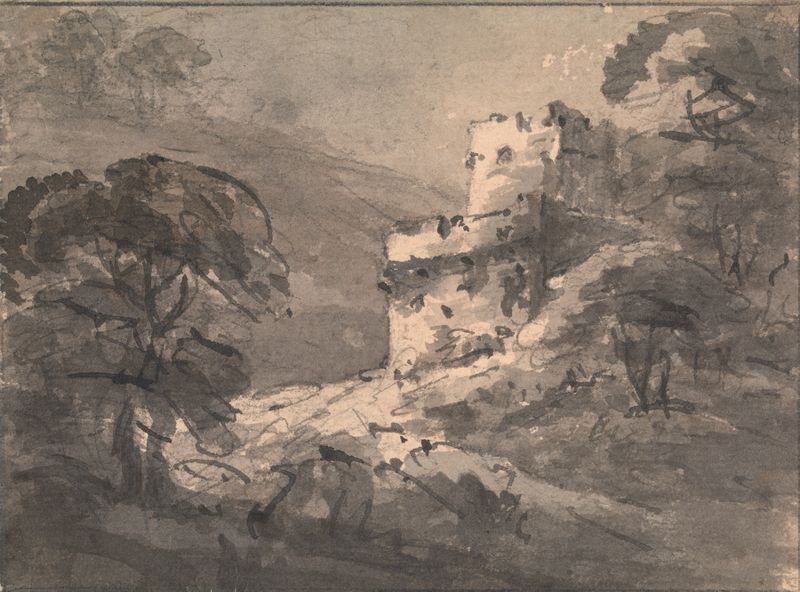
Landscape with a Ruined Castle on the Right
William Gilpin

Mountainous Landscape with Trees – High Crags to the Right
William Gilpin

View of Castle Ruin
William Gilpin
Bridge on the Malton Road from York
William Gilpin

Landscape with Two Trees and Castle
William Gilpin





