
Méricourt, Temps Gris — History & Facts
Who listens when art speaks of silence? In Méricourt, Temps Gris, the whisper of a muted palette breathes life into a world suspended between reality and dream. Look to the left at the gentle undulation of the landscape, where soft hues of gray and blue blend seamlessly, creating a serene, yet poignant atmosphere. The tranquil water reflects the overcast sky, drawing the viewer’s eye to the horizon, while the sparse trees stand in delicate contrast, their branches reaching out like tentative gestures of hope. The brushwork is loose and fluid, an ode to the ephemeral nature of the moment captured, inviting you to linger in the stillness. At first glance, the painting seems to convey a simple rural scene, yet upon closer inspection, it reveals layers of emotional complexity.
The absence of vibrant colors reflects a fragility, suggesting a world on the brink of change, a metaphor for the delicate balance of existence. The way the light dances softly across the surface of the water evokes an introspective mood, highlighting the tension between permanence and transience. Created in 1937, during a time of both personal and global upheaval, the artist found inspiration in the quiet beauty of the French countryside. As a prominent figure in the Fauvist movement, Marquet had shifted toward a more subdued palette in this period, reflecting his evolving artistic vision while grappling with the socio-political climate of Europe.
This work encapsulates not only a moment in nature but also the artist's introspection, blending fragility with a profound sense of stillness.
More Artworks by Albert Marquet
Browse all →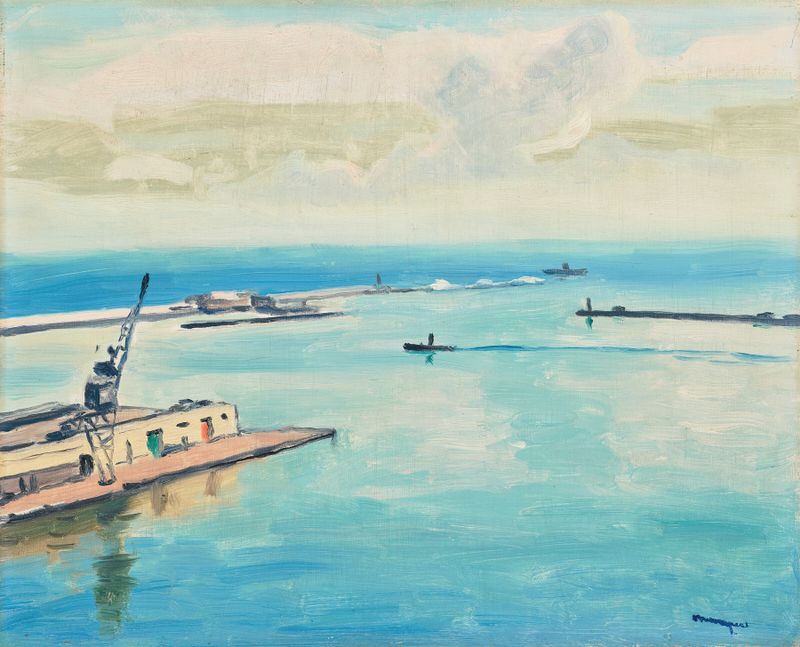
Le Port d’Alger
Albert Marquet
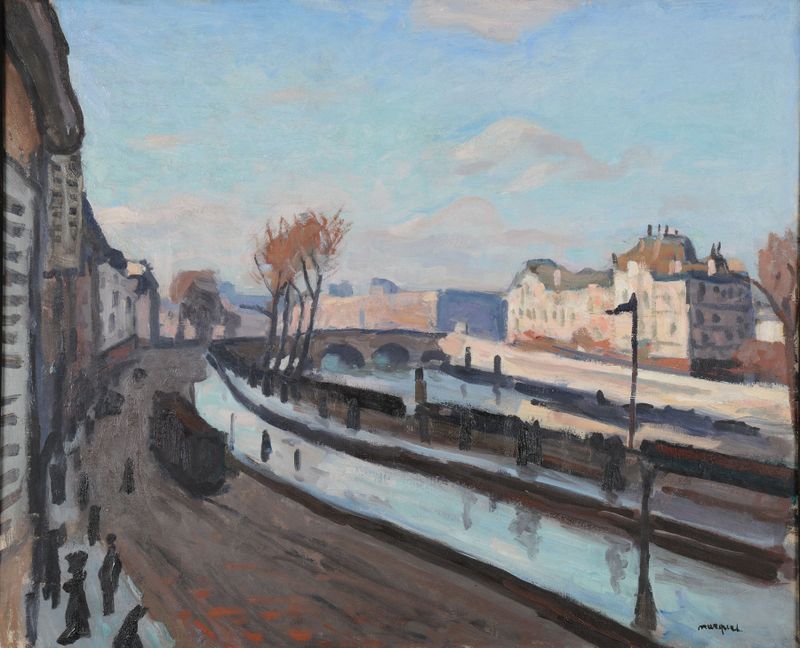
Le quai des Grands Augustins
Albert Marquet
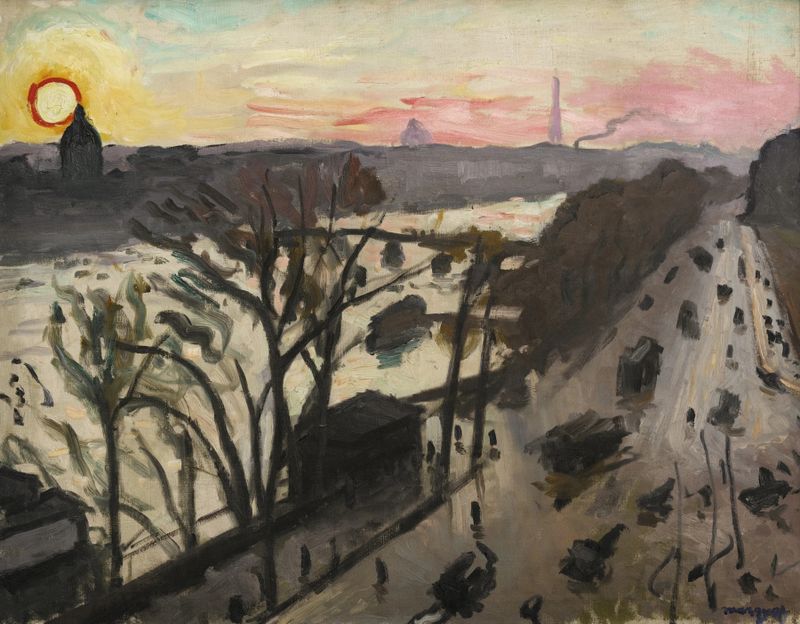
Paris, quai du Louvre, soleil d’hiver
Albert Marquet
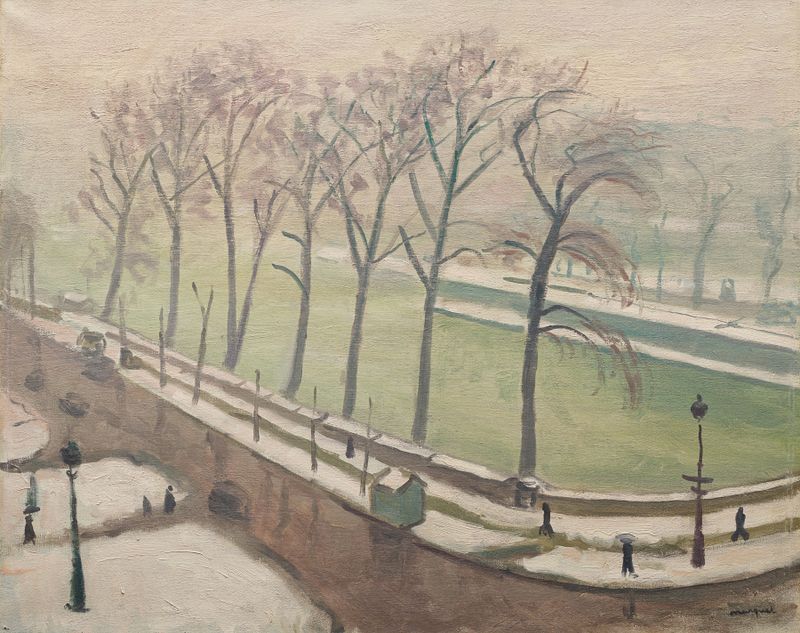
Pont-Neuf sous la neige
Albert Marquet
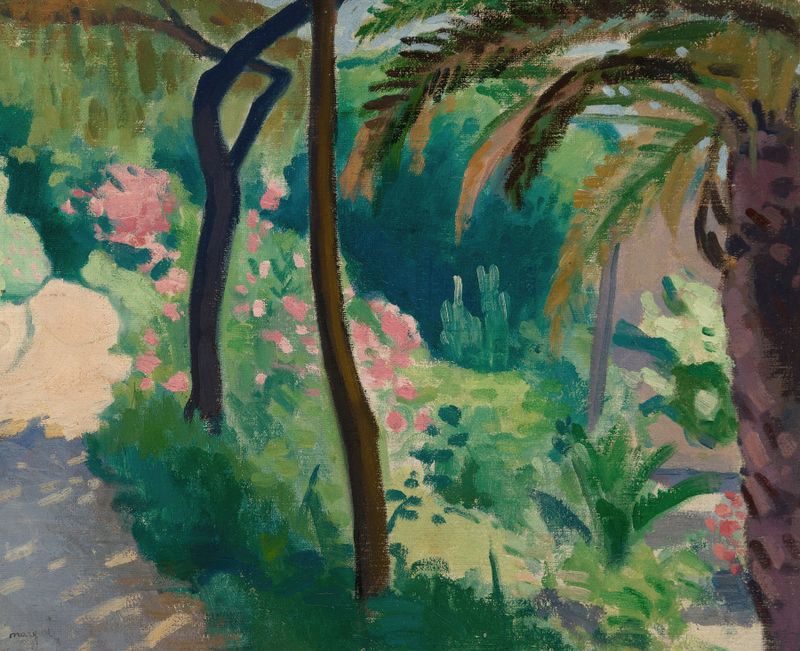
Le jardin à l’Estaque
Albert Marquet
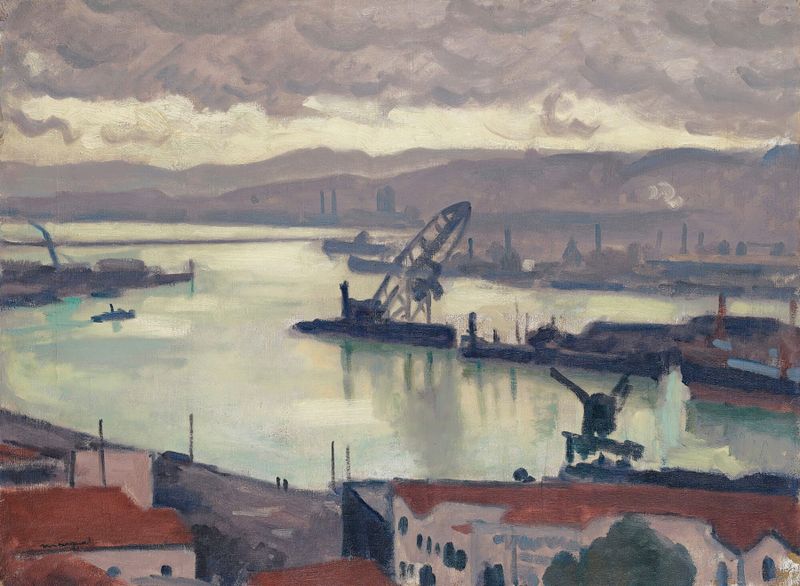
Alger, Temps Gris
Albert Marquet
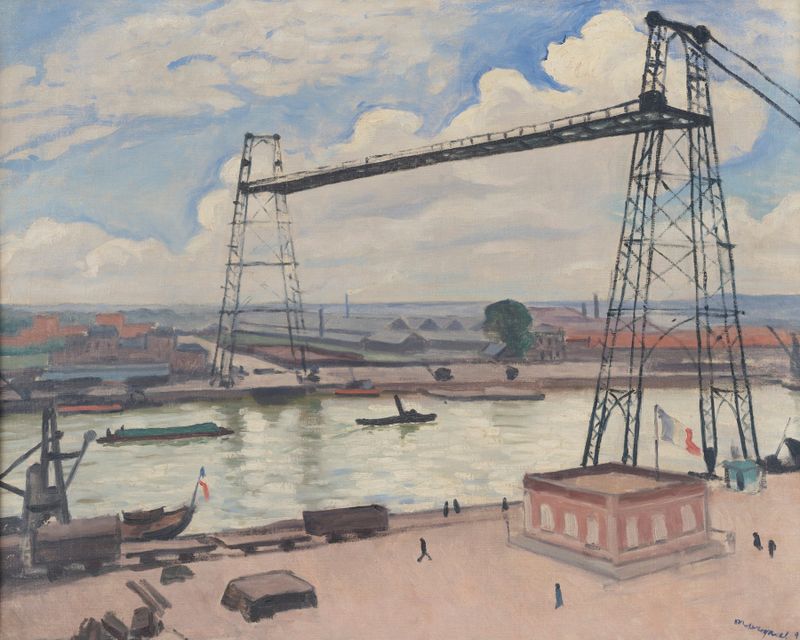
Rouen, le pont transbordeur
Albert Marquet
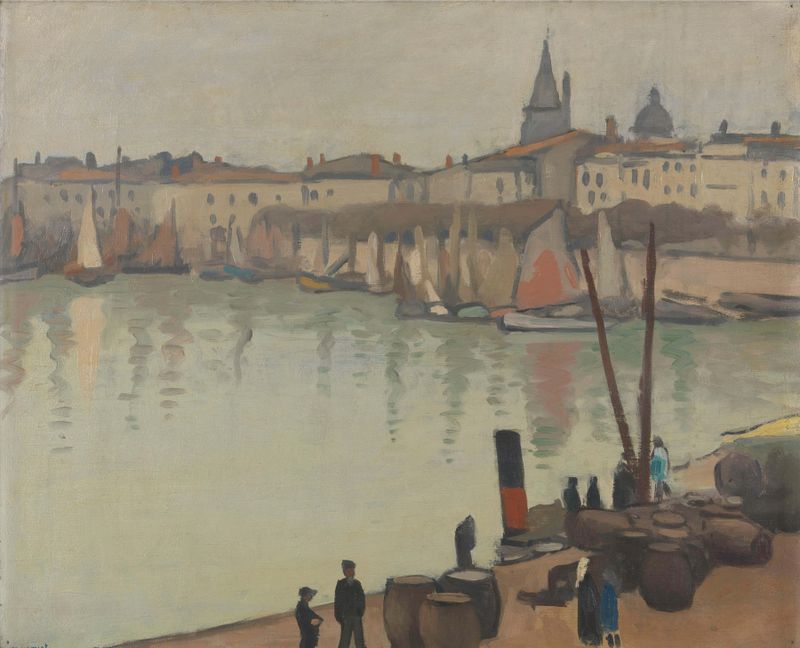
Port of La Rochelle
Albert Marquet

Berge de la Seine à Méricourt
Albert Marquet
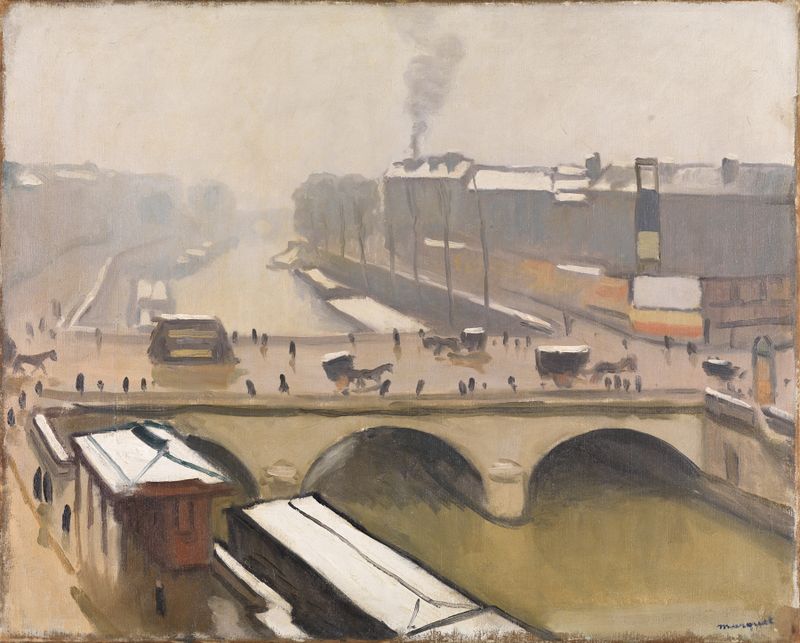
View of the Pont Saint-Michel in Paris
Albert Marquet





