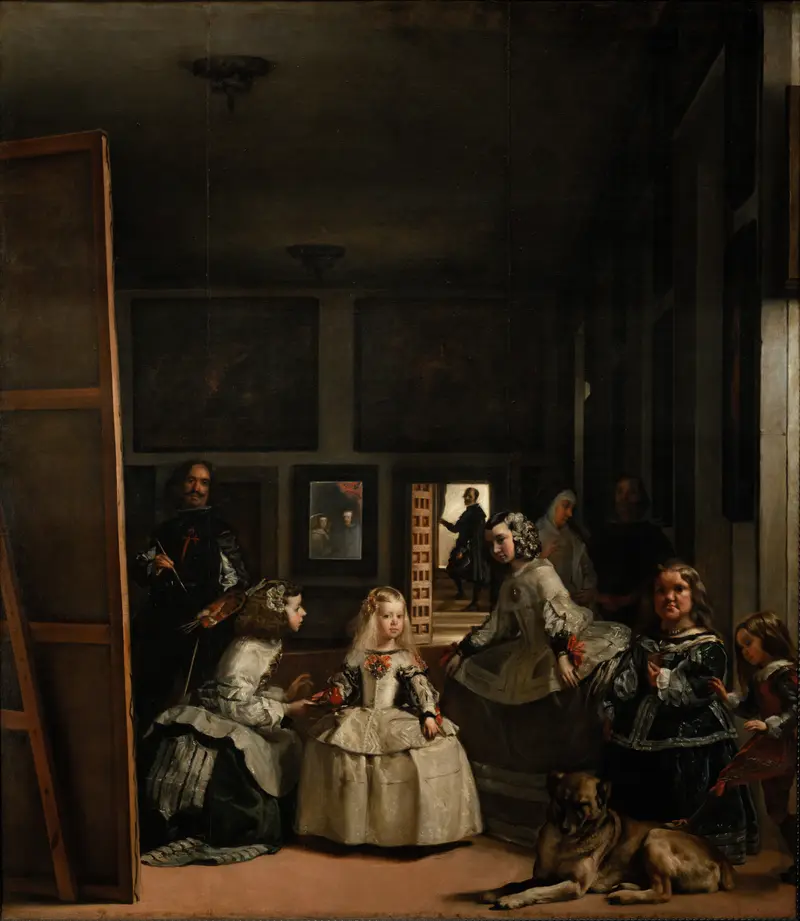
Mrs. Richard Paul Jodrell — History & Facts
What first catches the eye in Mrs. Richard Paul Jodrell is the sitter’s striking attire: a turban wound with shimmering fabric, and a robe lined with what appears to be ermine, all rendered with a tactile richness that draws the viewer in. The subject’s gaze, soft and slightly averted, suggests a moment of private reverie rather than public display, while the warm, golden light caresses her face and shoulders, setting her apart from the deep, shadowed background.
The painter uses this contrast to create a sense of intimacy, as if we are being granted a glimpse into a world of quiet confidence and subtle theatricality. The delicate blush on her cheeks and the gentle parting of her lips hint at a life beyond the canvas, inviting speculation about her thoughts and her place in society. Created between 1774 and 1776, this portrait belongs to the world of late eighteenth-century Britain, when society portraits were both a mark of status and a stage for self-fashioning. At this time, artists like Sir Joshua Reynolds—the acknowledged master of British portraiture—were celebrated for their ability to blend likeness with idealization, often clothing their sitters in exotic or historical costume to suggest learning, taste, or a cosmopolitan spirit.
Such works were typically commissioned by wealthy patrons eager to assert their refinement and social standing. Today, Mrs. Richard Paul Jodrell resides in the collection of the Detroit Institute of Arts, a testament to both the enduring allure of Reynolds’s brush and the changing fashions of portraiture.
The sitter’s enigmatic expression and lavish costume still invite us to imagine her story, centuries after the moment was captured.
More Artworks by Sir Joshua Reynolds
Samuel Johnson (1709-1784)
Sir Joshua Reynolds
Mrs. Robert Brudenell
Sir Joshua Reynolds
Miss Elizabeth Beauclerc as Una with the Lion
Sir Joshua Reynolds

Lady Sarah Bunbury Sacrificing to the Graces
Sir Joshua Reynolds
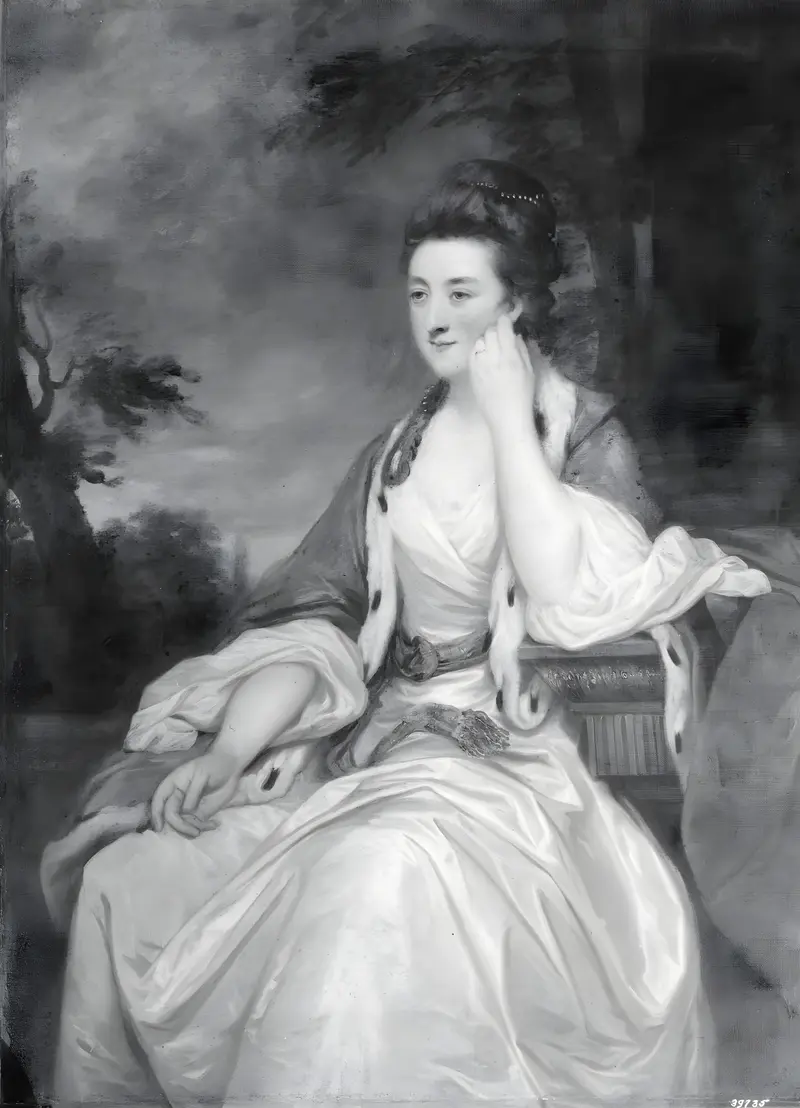
Lady Louisa Conolly
Sir Joshua Reynolds
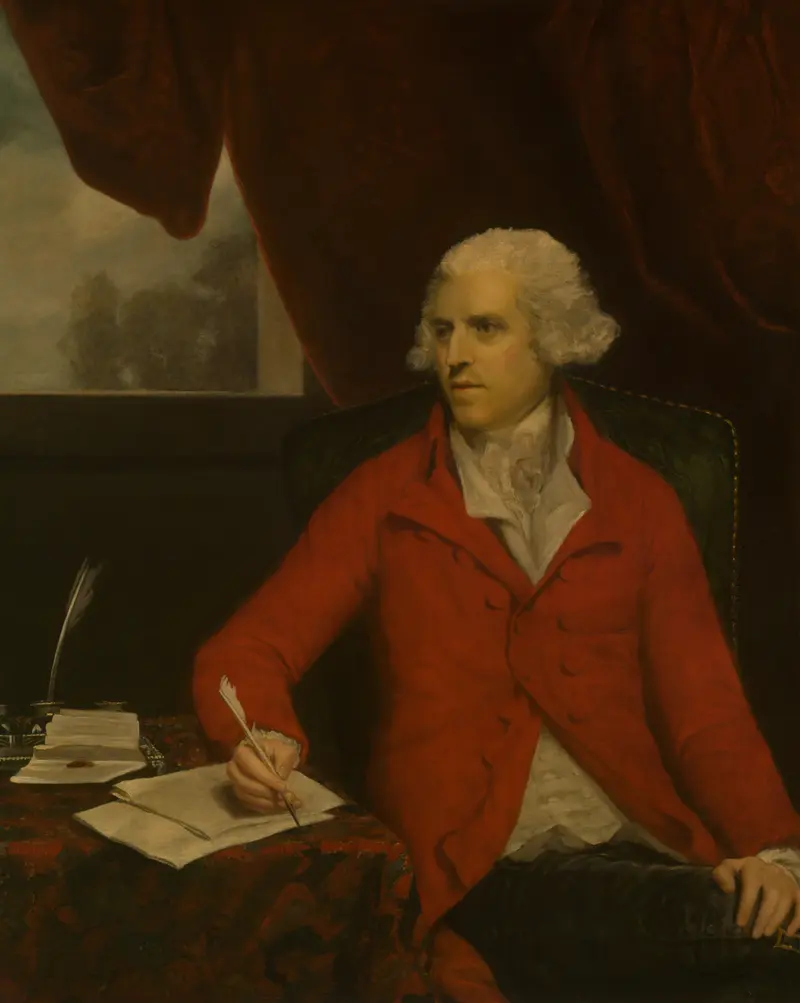
Sir Thomas Rumbold, Bt.
Sir Joshua Reynolds
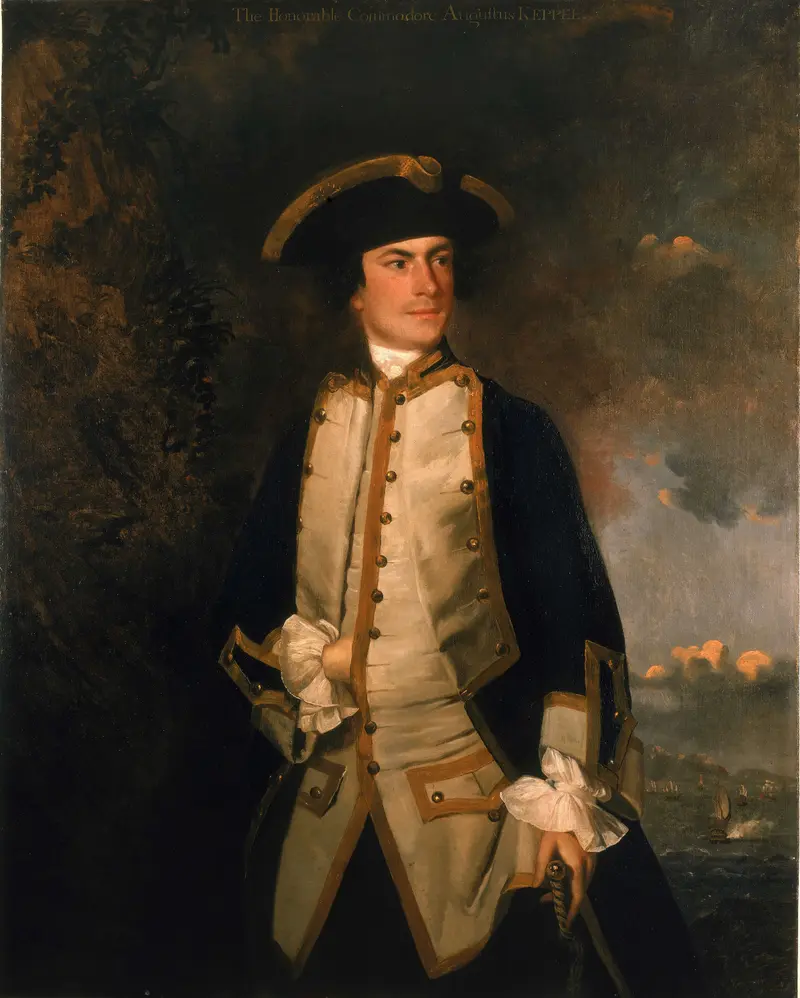
Commodore the Honourable Augustus Keppel
Sir Joshua Reynolds
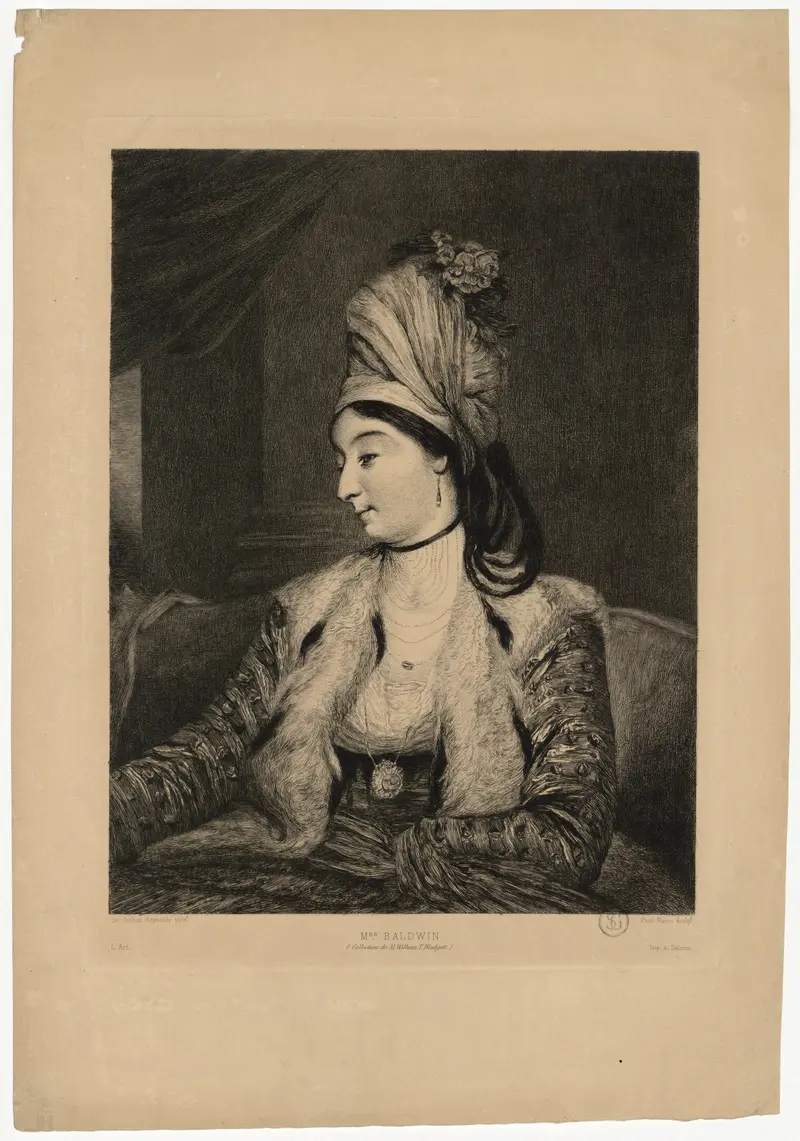
Mrs Baldwin. Sir Joshua Reynolds pinx.t Paul Rajon sculp.t
Sir Joshua Reynolds
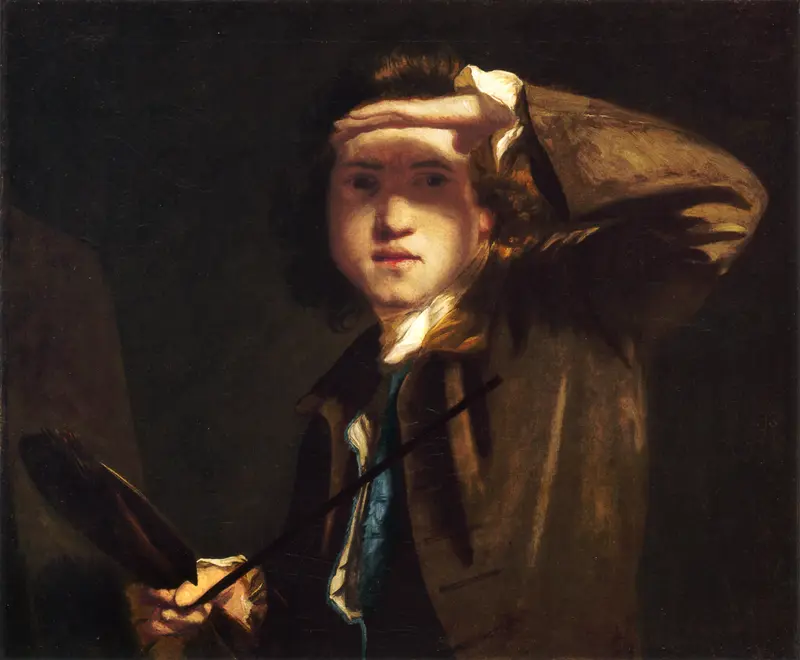
Sir Joshua Reynolds
Sir Joshua Reynolds
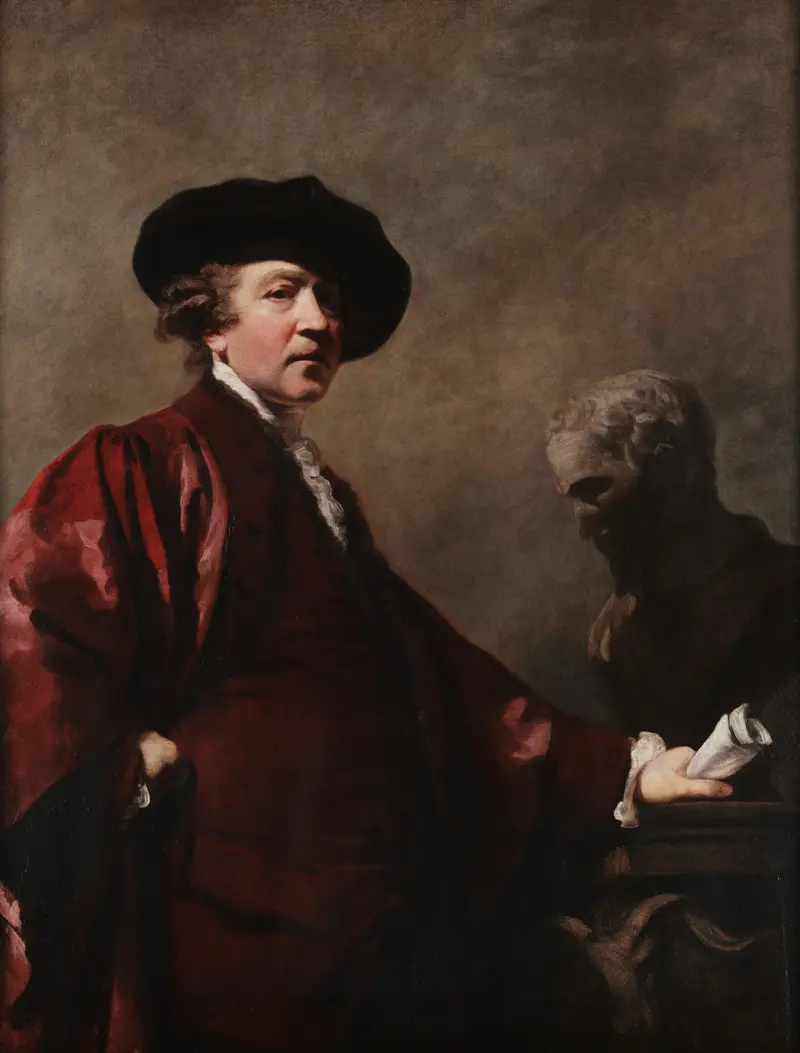
Self-Portrait
Sir Joshua Reynolds