
Mrs. Stevens — History & Facts
In Mrs. Stevens, the viewer is greeted by a striking portrayal of a woman dressed in elegant attire. The colors are rich, with deep blues and soft whites that enhance her presence.
The background is softly blurred, drawing attention to her serene expression and poised posture. Wheatley's choice of light creates a gentle glow around her, adding to the painting's overall warmth. The painting is executed in oil on canvas, a medium that allows for vibrant colors and fine details. Wheatley employs a realistic style, capturing the textures of the fabric and the softness of the skin.
The dimensions of the work are approximately 76 x 63 cm, making it a substantial portrait. The artist's technique showcases his skill in rendering lifelike features and delicate expressions. Francis Wheatley was a prominent British painter known for his portraits and genre scenes during the late 18th century. Mrs.
Stevens is notable for its intimate portrayal of the subject, reflecting the Romanticism style that emphasizes emotion and individualism. Interestingly, Wheatley was also a member of the Royal Academy, which helped elevate his status in the art world. This painting exemplifies his ability to blend realism with a touch of romantic flair.
More Artworks by Francis Wheatley

Donnybrook Fair
Francis Wheatley

Donnybrook Fair
Francis Wheatley
Donnybrook Fair
Francis Wheatley
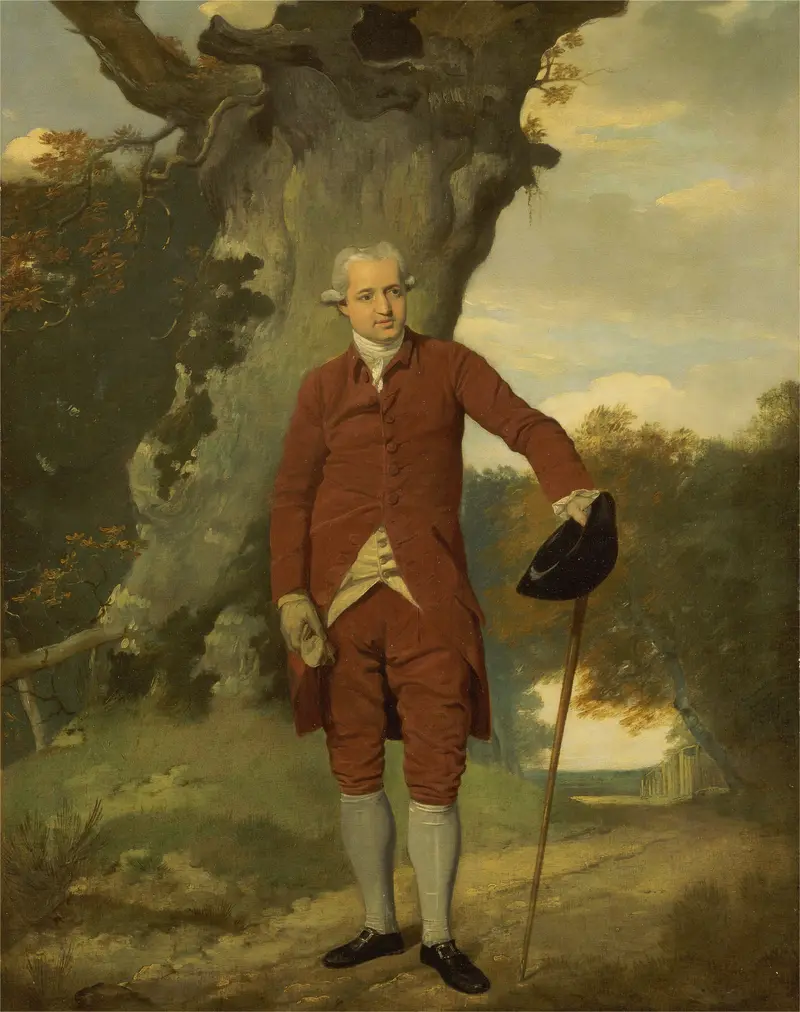
Portrait Of A Man, Possibly Mr. Barclay
Francis Wheatley
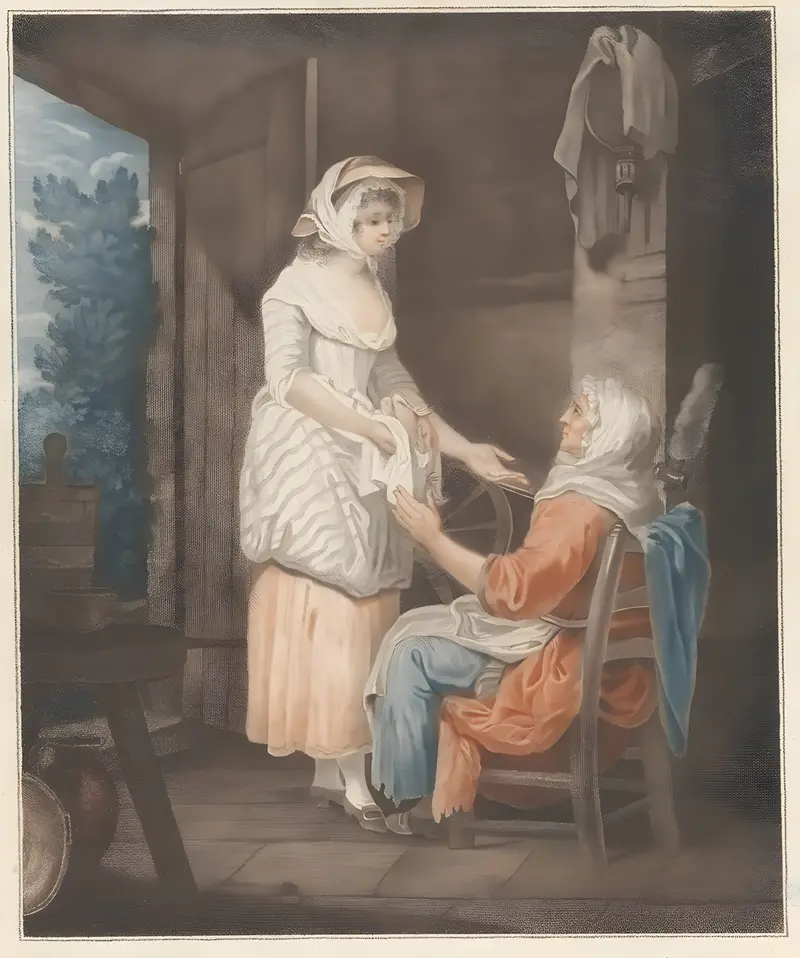
The Affectionate Daughter
Francis Wheatley
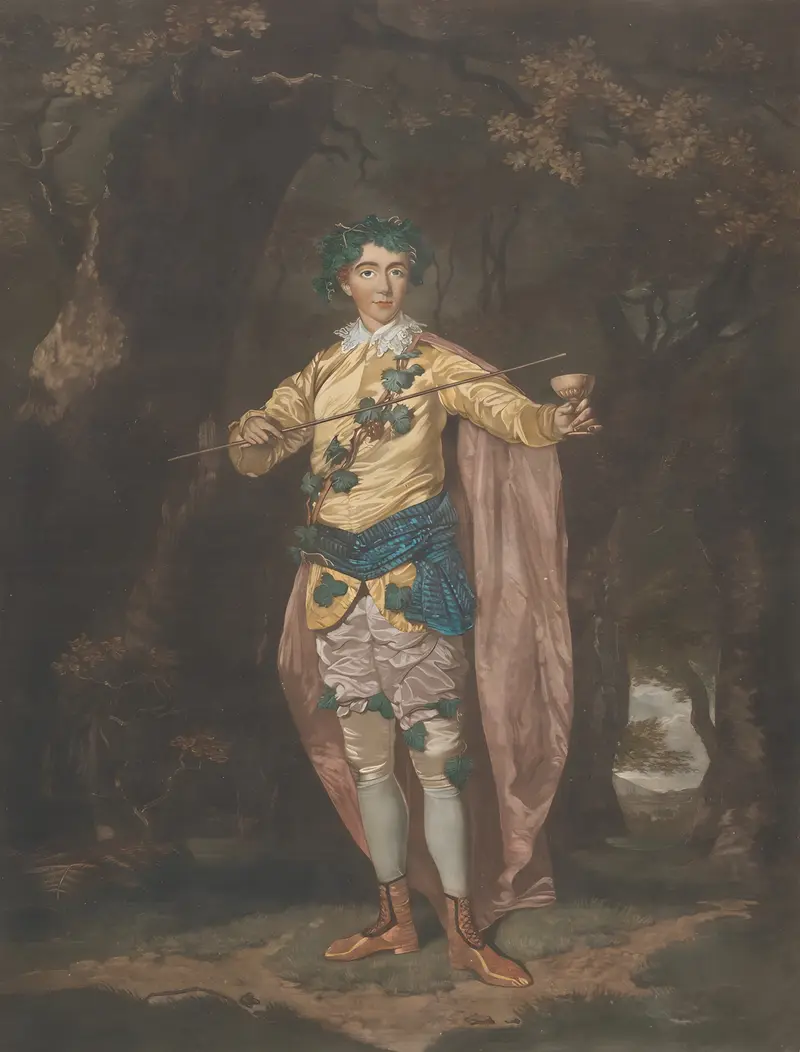
Anthony Webster as Comus
Francis Wheatley
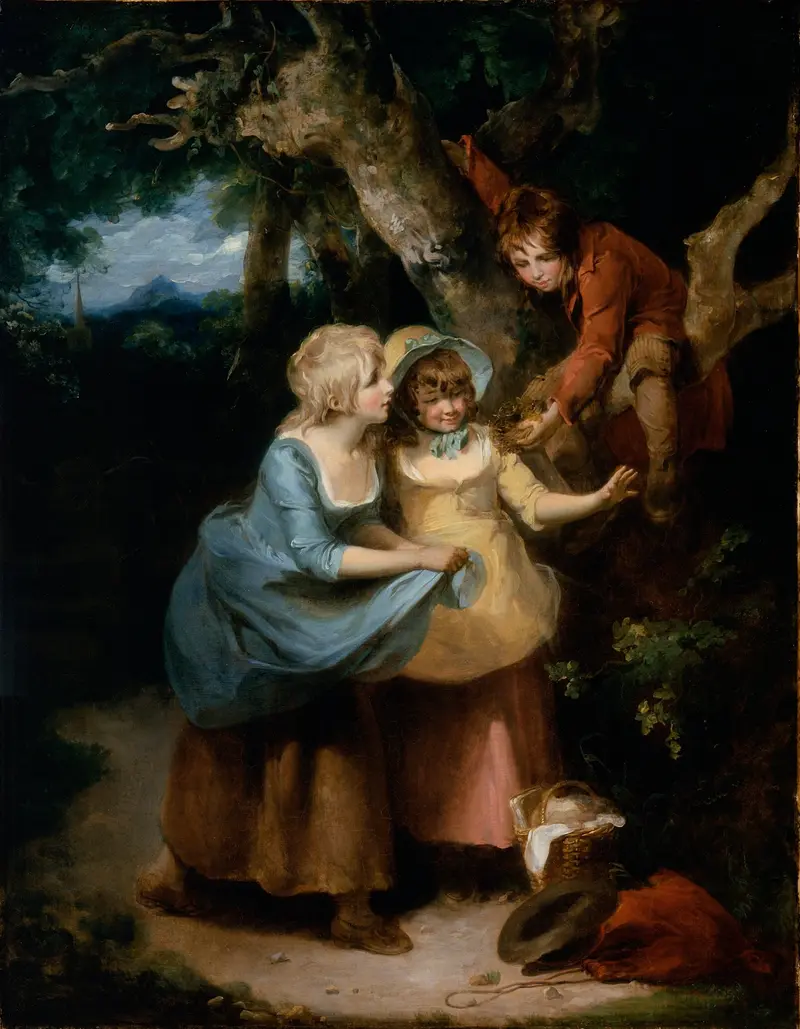
Spring
Francis Wheatley
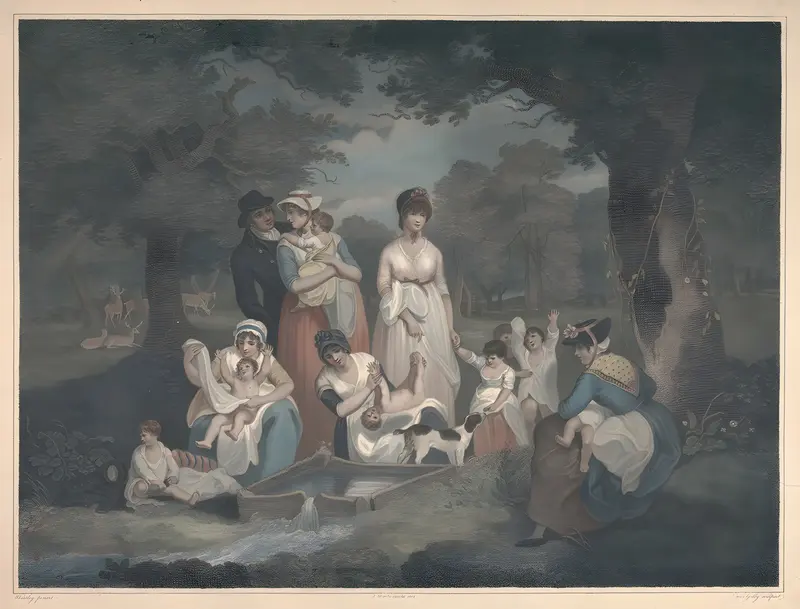
The Dipping Well in Hyde Park
Francis Wheatley
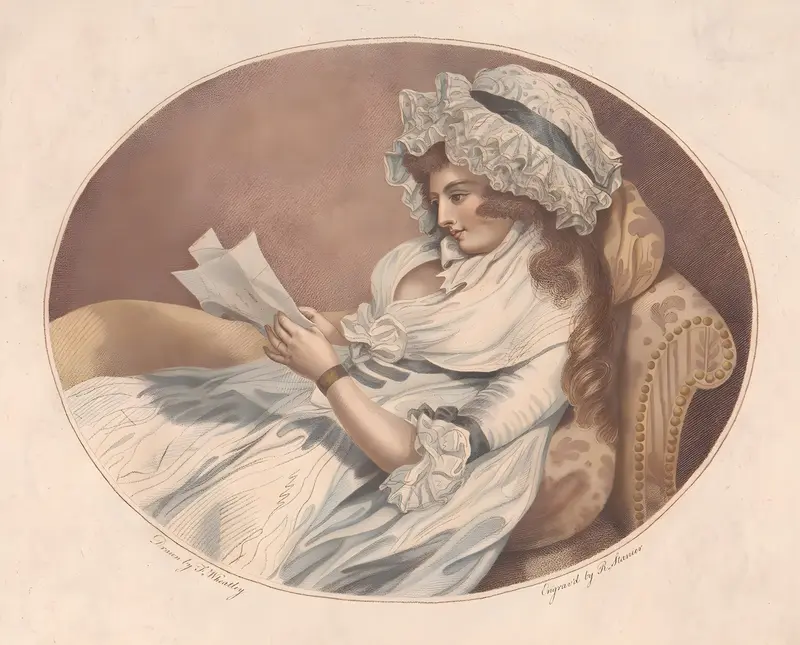
Lucy, Mrs. Wheatley
Francis Wheatley
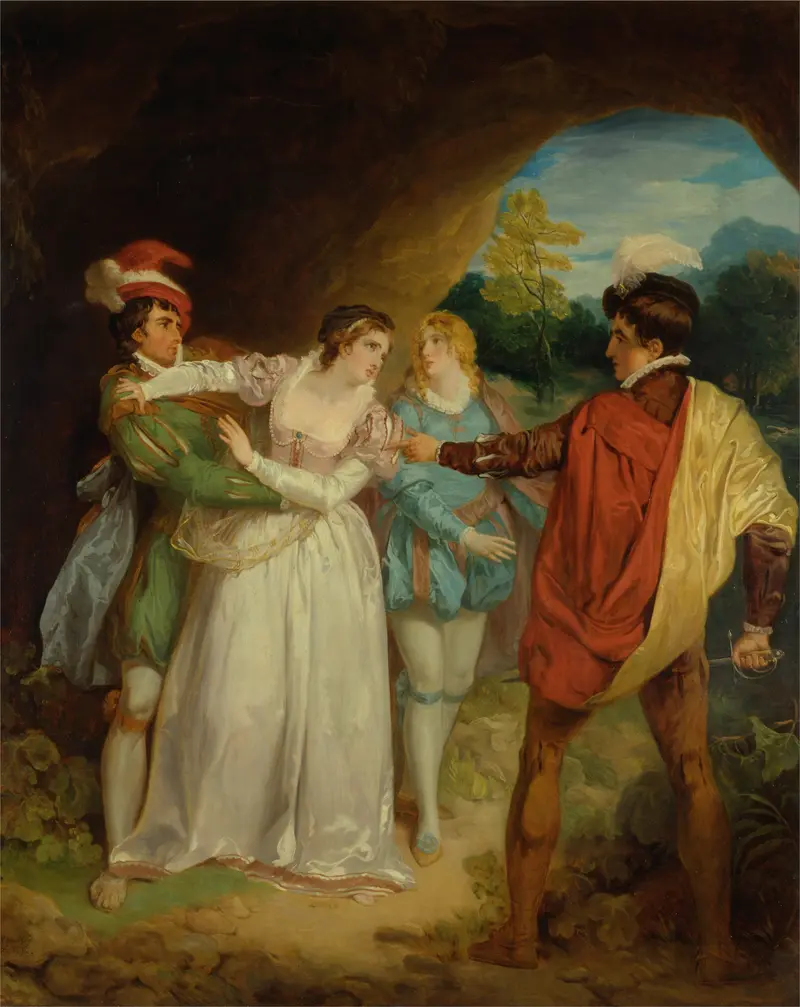
Valentine rescuing Silvia from Proteus, from Shakespeare’s ‘The Two Gentlemen of Verona,’ Act V, Scene 4, the Outlaws’ Cave
Francis Wheatley





