
Mt. Rigi at Dawn — History & Facts
Could a single brushstroke hold eternity? In Mt. Rigi at Dawn, the essence of that question resonates through the harmonious blend of color and light, revealing the artist's obsession with capturing the fleeting moments of nature. Look to the horizon, where the first hints of dawn illuminate the mountaintop. Soft pastels sweep across the canvas, inviting you to trace the cerulean sky that gradually yields to warm oranges and pinks.
The textured brushwork conveys the movement of the clouds, while the stillness of the mountain stands as a quiet sentinel, bathed in this delicate light. Focus on the subtle variations in hue; it's here the painting speaks most profoundly, suggesting both a moment of quiet reflection and the vastness of time itself. Beneath the surface, this work captures the tension between permanence and transience. The mountain, a symbol of eternal strength, contrasts with the ephemeral dawn, a fleeting spectacle that disappears in mere moments.
The interplay of light and shadow hints at an inner struggle, perhaps reflecting the artist's desire to immortalize beauty that is otherwise lost to the passage of time. Each stroke embodies an obsession, a longing to connect ephemeral experiences to something timeless. Painted in 1910, during a period of great transition in the world of art, Short was influenced by both the Impressionist movement and his own deep appreciation for the natural world. Living in an era where the representation of nature was highly valued, he sought to portray the delicate interplay of light and atmosphere, establishing a link between his personal experience and the broader artistic currents of his time.
More Artworks by Sir Frank Short
Browse all →
Morning Haze in Chichester Harbor
Sir Frank Short
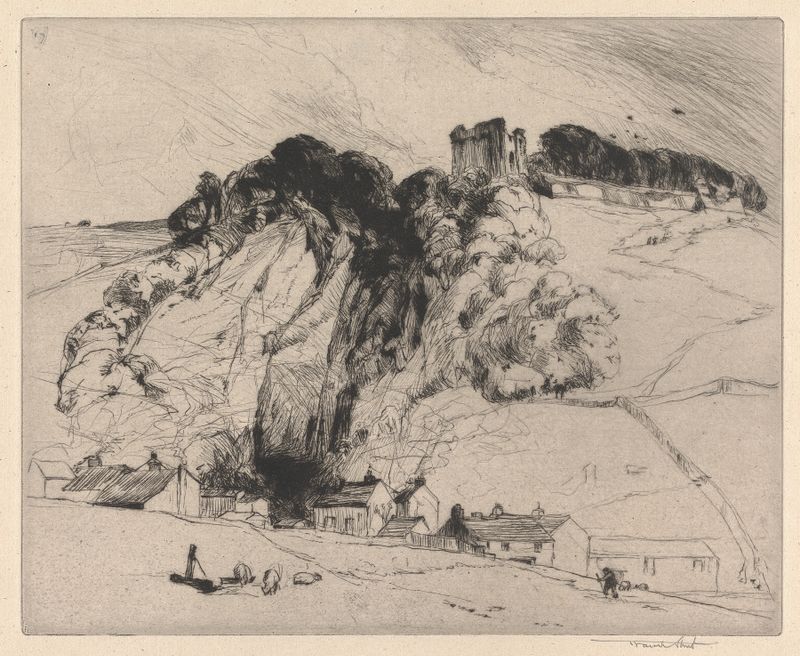
Peveril’s Castle, Derbyshire
Sir Frank Short
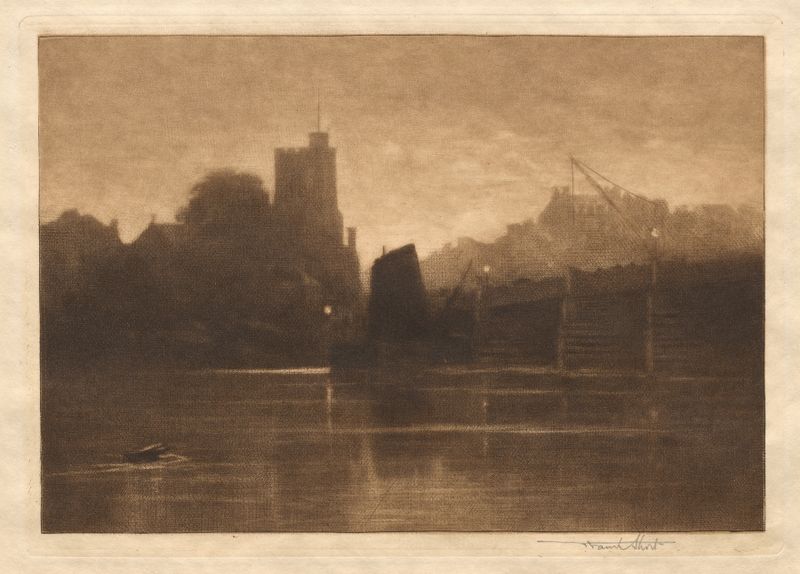
Ebb Tide, Putney Bridge
Sir Frank Short
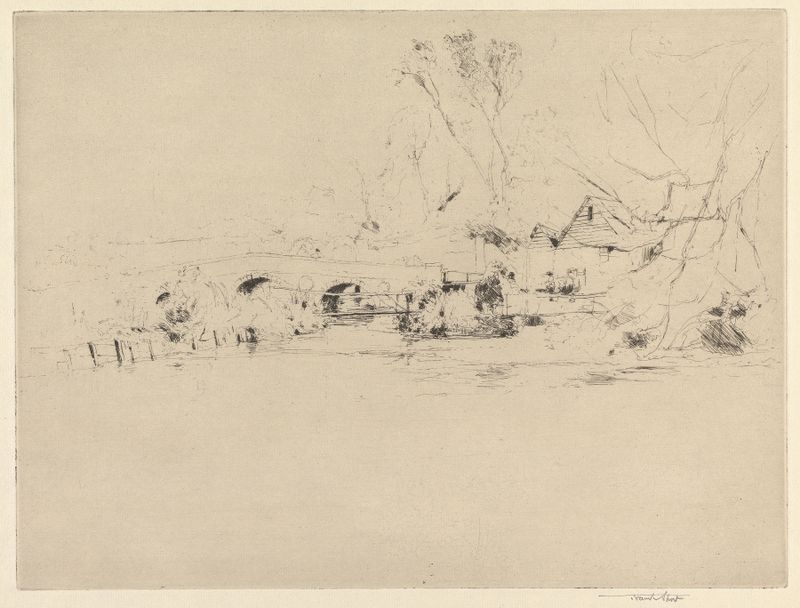
Old Mill on the Wandle, at Mitcham
Sir Frank Short

Moonlight on the Medway at Chatham
Sir Frank Short

Parkgate
Sir Frank Short
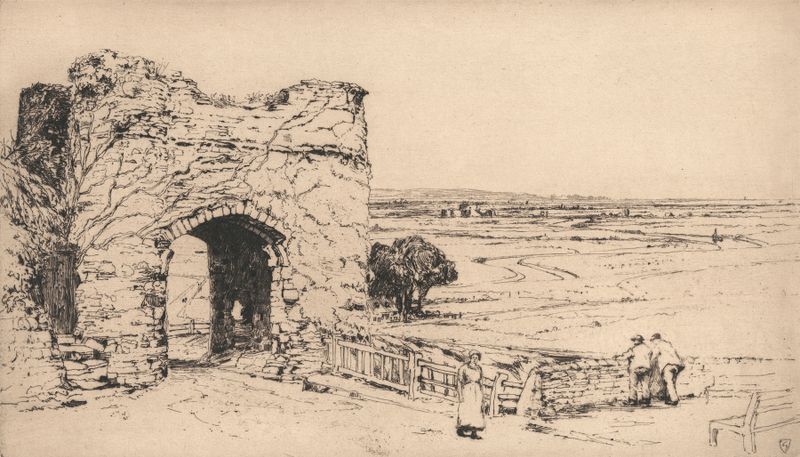
The Strand Gate, Winchelsea
Sir Frank Short

Bridgenorth
Sir Frank Short
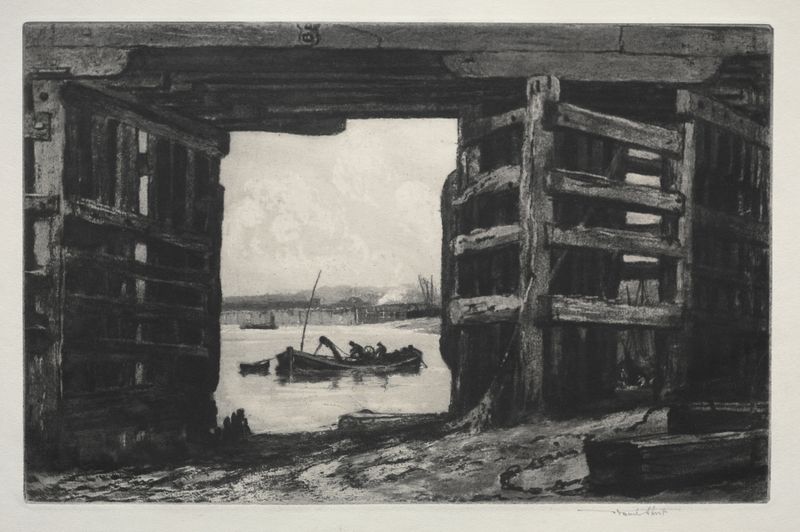
A Span of Old Battersea Bridge
Sir Frank Short

The Rope Walk, Spittal Bridge Whitby
Sir Frank Short





