
My Back Yard no. 2 — History & Facts
Can paint confess what words never could? In the quiet embrace of nature, the fleeting moments of life are captured on canvas, whispering secrets of our mortality. Look to the foreground where the wildflowers flourish, their vibrant colors—a symphony of yellows and purples—dance beneath the gentle caress of a summer breeze. The soft, dappled sunlight filters through the leaves, creating a harmonious interplay of light and shadow. Notice how the brush strokes, both loose and deliberate, lend a sense of movement to the scene, as if time itself were being held at bay for just a moment. Beneath the surface of this tranquil backyard, there lies a deeper tension.
The lushness of the flora speaks to the vibrancy of life, yet hints of decay can be sensed in the browning leaves and wilting petals, reminding us of nature's impermanence. This duality reflects the beauty and fragility of existence, inviting the viewer to contemplate the balance between joy and sorrow that defines our human experience. In 1890, Julian Alden Weir was deeply immersed in the American Impressionist movement, working primarily in his Connecticut home. The era was one of experimentation and self-expression, as artists sought new ways to interpret the world around them.
Weir's personal life was also marked by transformation, as he endeavored to blend traditional techniques with a burgeoning modern sensibility, capturing the essence of a moment that resonates with both nostalgia and the inevitability of change.
More Artworks by Julian Alden Weir
Browse all →
My Back Yard no. 1
Julian Alden Weir
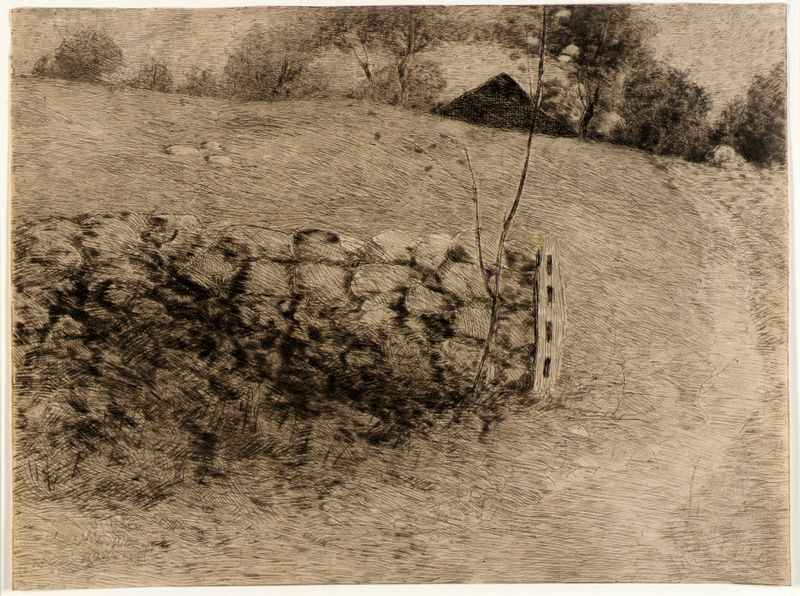
The Barn Lot
Julian Alden Weir

The Webb Farm
Julian Alden Weir
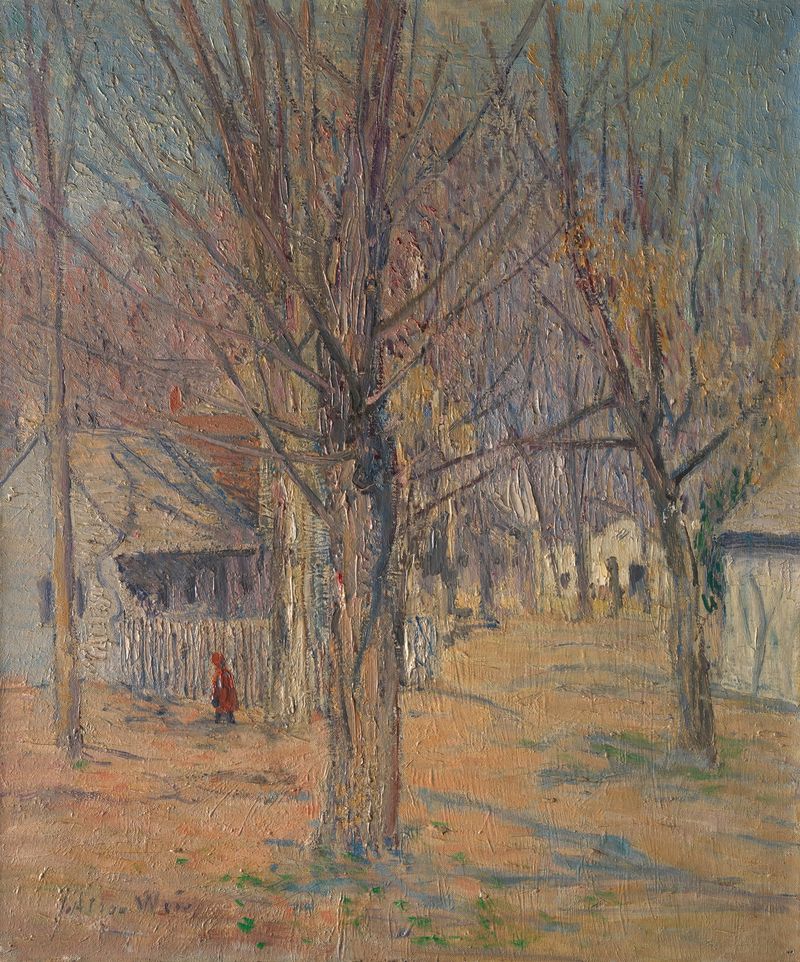
Connecticut Village (Going to School)
Julian Alden Weir

The Stone Bridge
Julian Alden Weir

The Webb Farm 2
Julian Alden Weir
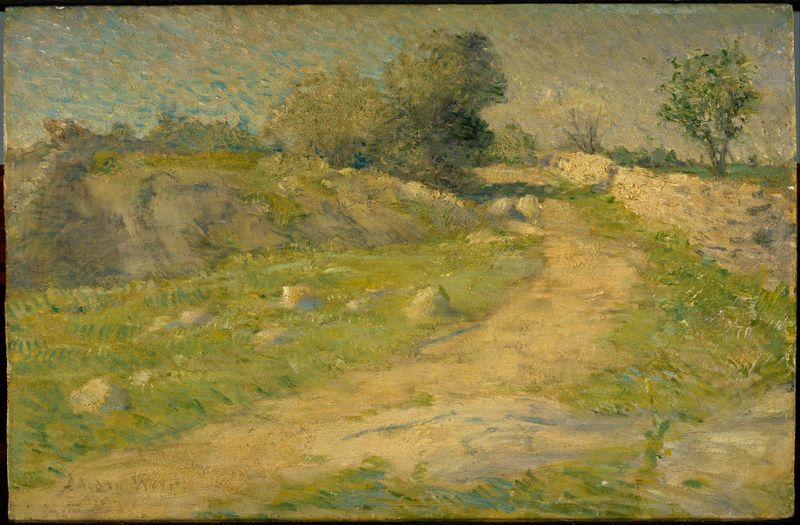
The Lane
Julian Alden Weir
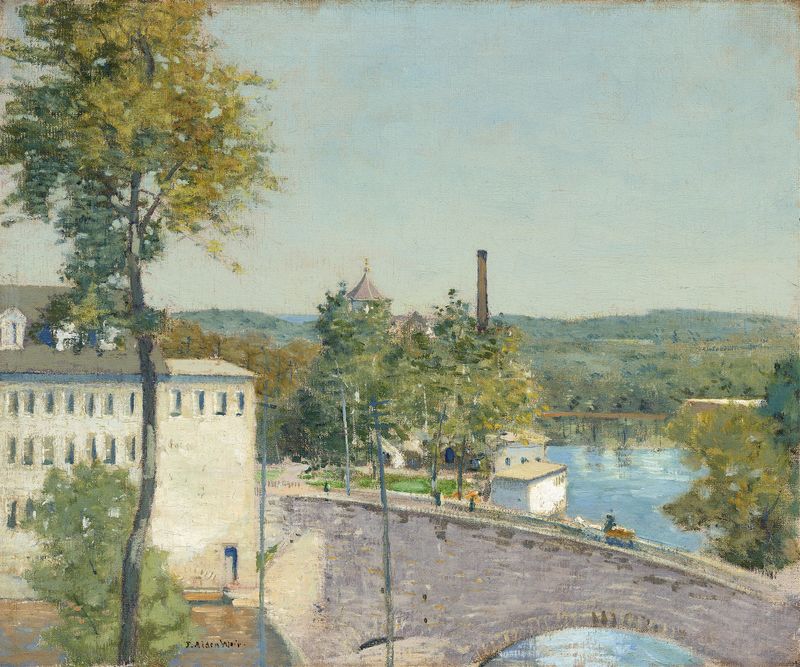
U.S. Thread Company Mills,Willimantic,Connecticut
Julian Alden Weir

Neighboring Farm
Julian Alden Weir

Coon Alley
Julian Alden Weir





