
Na trhu pred kostolom — History & Facts
When did color learn to lie? The vivid hues of a bustling market can mask the deep yearnings of the human heart, the unspoken desires hidden beneath the surface of daily life. Look to the left where a crowd gathers, their figures animated by motion yet tethered by stillness. Notice how the artist employs vibrant reds and lush greens to evoke the energy of commerce and connection. The sky above is painted in soft, lavender tones, hinting at the transition of day—a liminal space that suggests both hope and melancholy.
The interplay of light and shadow adds a dynamic tension, urging the viewer to explore the relationships between the figures and their surroundings. At first glance, this scene appears celebratory, a testament to community life; yet, the expressions on the faces reveal deeper stories of individual longing and unfulfilled dreams. Each character seems to embody a silent narrative, their glances and postures whispering of aspirations that stretch beyond the marketplace. The juxtaposition of the vibrant marketplace against the solemn church in the background embodies the perpetual conflict between worldly pursuits and spiritual fulfillment. Created between 1920 and 1928, this piece emerged during a period of significant change in Europe, post-World War I.
In the aftermath of conflict, artists like Mousson sought to depict the complexities of human experience, reflecting on society's struggles while also celebrating community resilience. Working in Bratislava during a transformative era, he used his artistic platform to connect with the zeitgeist, capturing both the vibrancy and the yearning of everyday life.
More Artworks by Jozef Teodor Mousson
Browse all →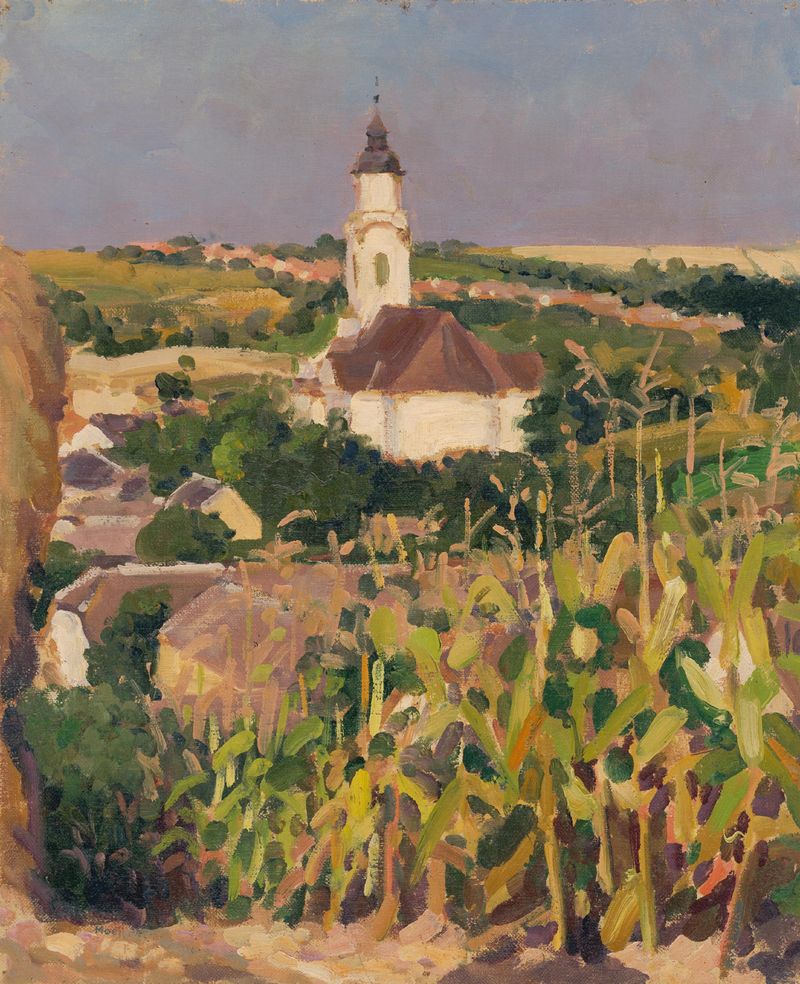
Eastern Slovakia Village
Jozef Teodor Mousson
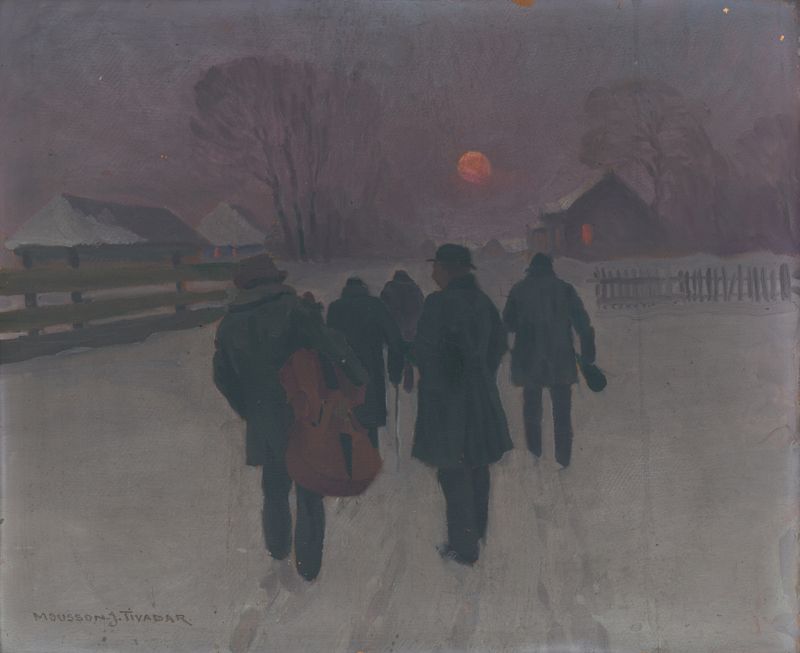
Musicians Returning in the Early Morning through Snowed Landscape
Jozef Teodor Mousson

Na pobreží
Jozef Teodor Mousson

V zime na dedine
Jozef Teodor Mousson

Trh v Michalovciach II.
Jozef Teodor Mousson
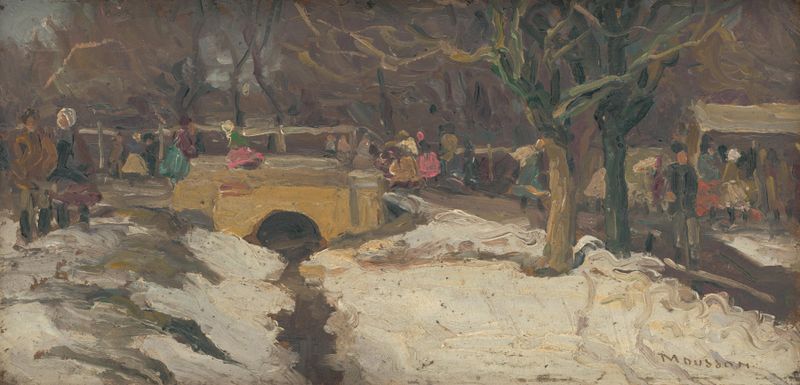
Market
Jozef Teodor Mousson
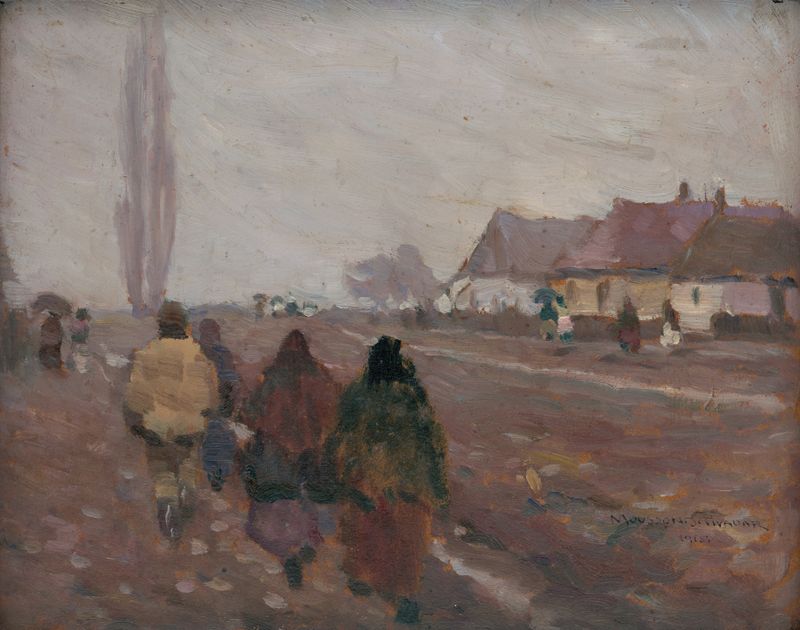
On the Road from the Michalovice Market
Jozef Teodor Mousson

Potato Digging
Jozef Teodor Mousson

Na dedine
Jozef Teodor Mousson
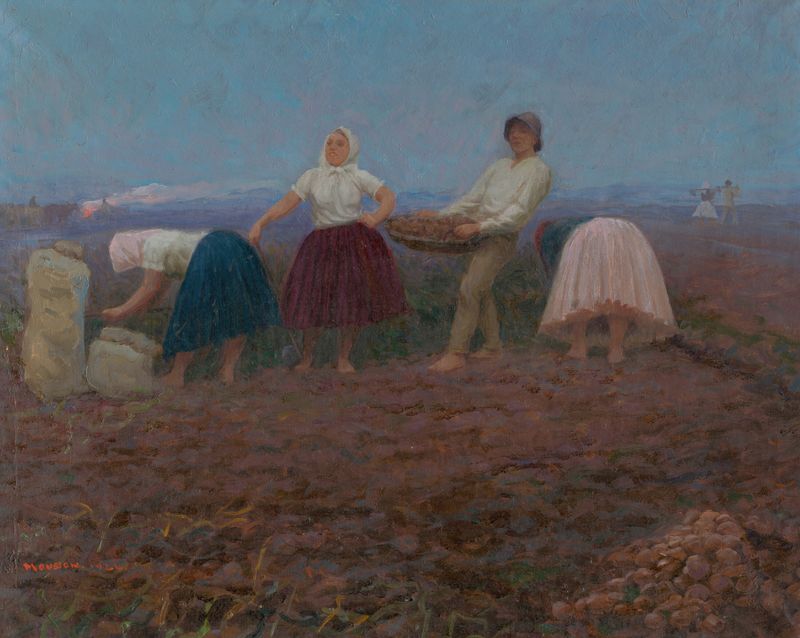
Potato picking
Jozef Teodor Mousson





