
Na ulici — History & Facts
In that stillness, it harbors the secrets of the human experience, waiting for the viewer to unearth what it holds. Each brushstroke, a whispered truth; each color, a piece of the soul laid bare. Look to the left at the somber figure leaning against a wall, a reflection of quiet contemplation amidst the bustling surroundings. The palette is a muted symphony of grays and browns, creating a stark contrast against the bright splashes of life around them.
Notice how the light dances between shadows and highlights, lending an air of melancholy to the scene. The careful composition draws the viewer's gaze from the solitary figure to the vibrant street, creating a narrative tension that invites deeper reflection. In this juxtaposition lies a profound revelation: the coexistence of solitude and communal vibrancy. The figure embodies the weight of introspection, almost lost in a crowd that thrives on the energy of the city.
This contrast speaks to the universal feeling of isolation, even in the most crowded of spaces. Subtle details—in the downturned gaze, the slight slump of shoulders—reveal an emotional depth that resonates with anyone who has ever felt alone amidst the throng. The artist created this work in 1907 during a period of significant change in Eastern Europe. Kövári-Kačmarik was influenced by the socio-political atmosphere of the time, which often drew him to the struggles of the individual.
Working in Budapest, he sought to capture the essence of modern life through a lens that blended realism with emotional depth, solidifying his place in the art world during this transformative era.
More Artworks by Konštantín Kövári-Kačmarik
Browse all →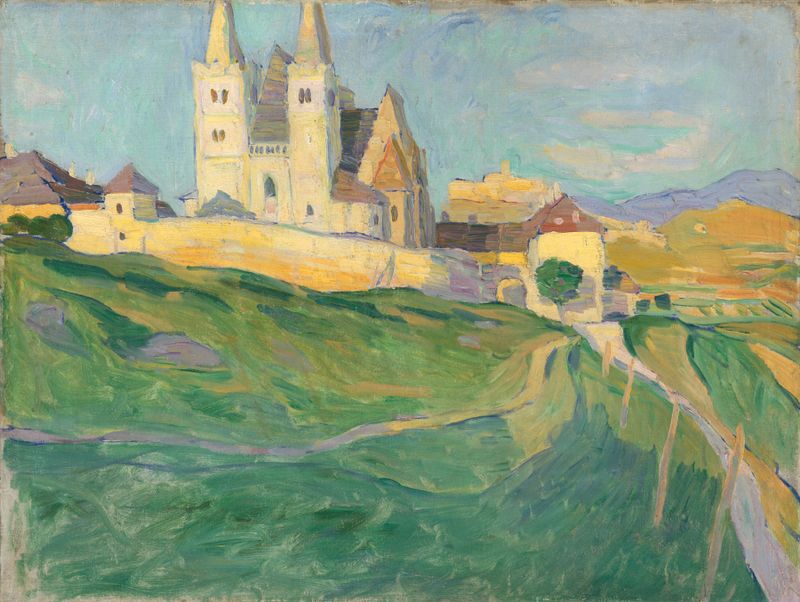
Spišská Kapitula
Konštantín Kövári-Kačmarik
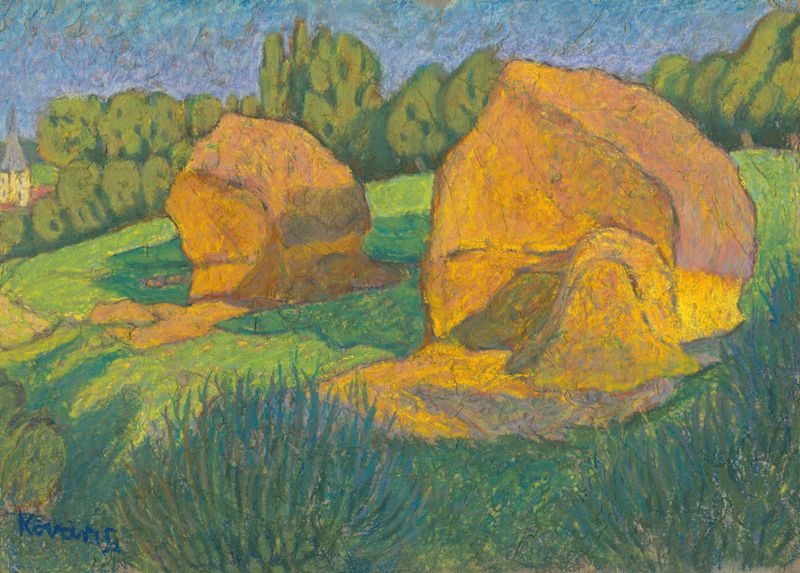
Krajina so stohmi
Konštantín Kövári-Kačmarik

Krátka ulica v Košiciach
Konštantín Kövári-Kačmarik
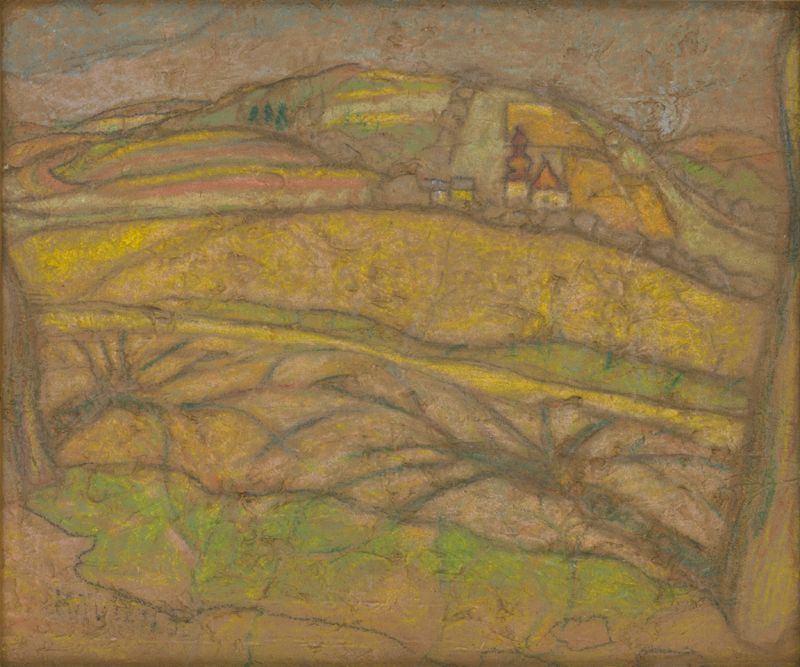
Kalvária pri Košiciach
Konštantín Kövári-Kačmarik

Ulica v Kežmarku
Konštantín Kövári-Kačmarik
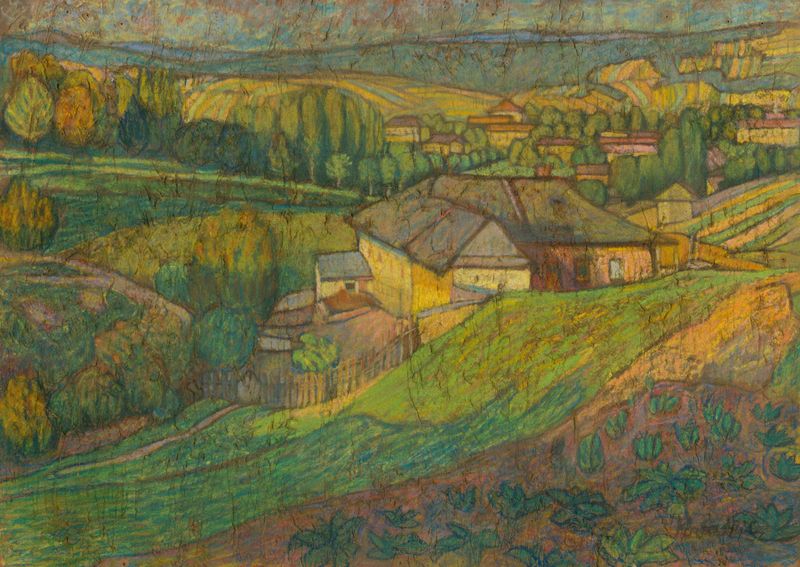
Pohľad na Kalváriu
Konštantín Kövári-Kačmarik
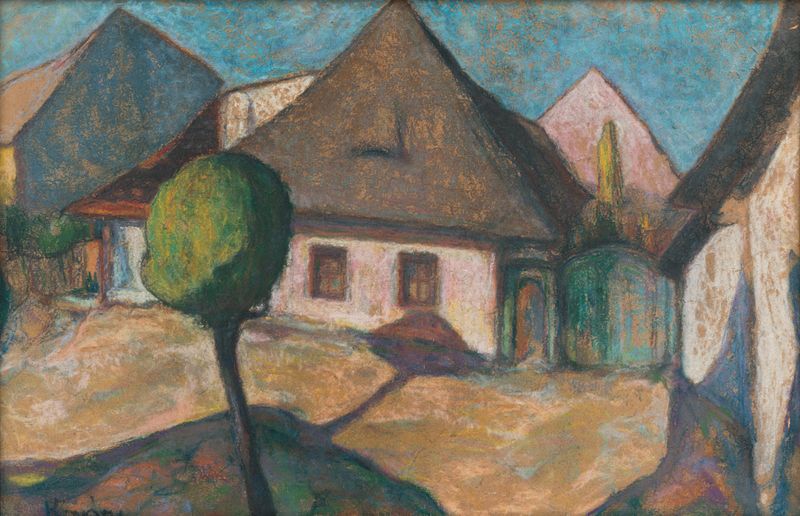
Old Košice
Konštantín Kövári-Kačmarik
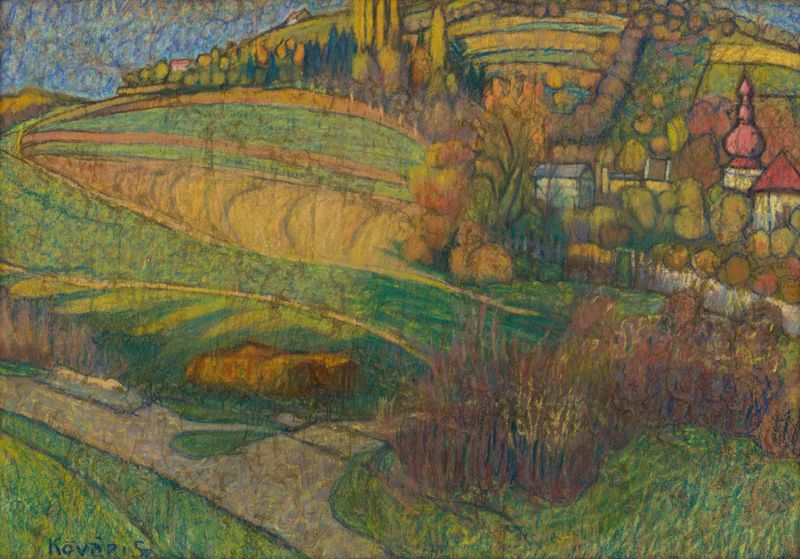
Krajina
Konštantín Kövári-Kačmarik

Krajina
Konštantín Kövári-Kačmarik
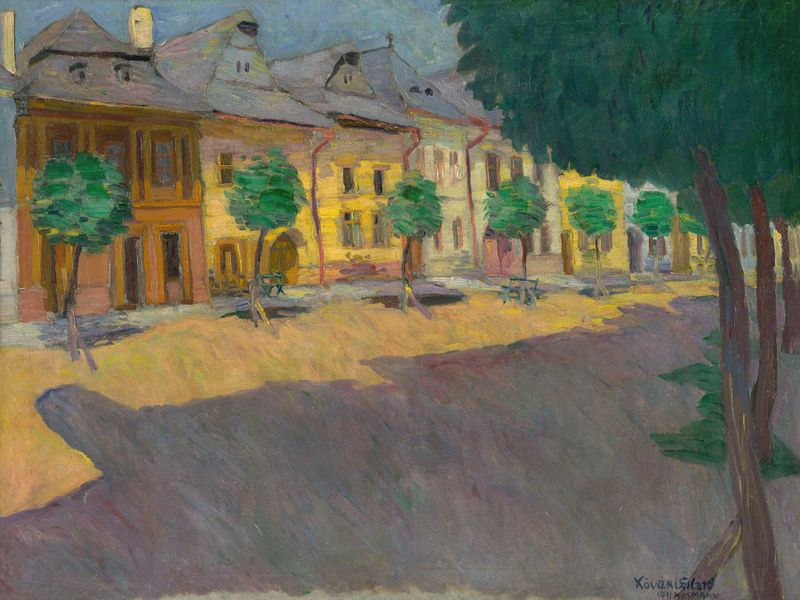
Ulica v Kežmarku
Konštantín Kövári-Kačmarik





