
Z košickej kalvárie — History & Facts
When did color learn to lie? In the delicate balance of hues and shapes, truth and illusion intertwine, prompting us to question our perceptions and beliefs. Look to the center of the canvas, where a serene landscape unfolds, marked by a gentle horizon that invites contemplation. The artist employs a soft palette of muted greens and browns, allowing the light to dance across the surface, suggesting an ethereal quality. Notice how the subtle transitions between colors create a fluidity that blurs the boundaries of reality, as if inviting the viewer to step into a dreamlike state, suspended between the tangible and the elusive. Within this tranquil scene lies an intricate tension, juxtaposing the solidity of the foreground with the ephemeral quality of the sky above.
The carefully rendered trees, solid and earthy, stand in stark contrast to the wispy clouds that seem to dissolve into the air. This juxtaposition speaks to the duality of existence—the grounding presence of nature against the fleeting moments of life. One can almost feel the heartbeat of the landscape, a reminder of the balance that governs our world. During the years 1910 to 1914, Konštantín Kövári-Kačmarik created Z košickej kalvárie amidst a dynamic period in the art world, where modernism began to challenge traditional forms.
Living in Hungary, Kövári-Kačmarik was influenced by both Impressionism and the emotional depth of Post-Impressionism, reflecting the turmoil and transformation of the era. This painting embodies his desire to explore the harmony between the seen and unseen, a quest for balance that resonates through the ages.
More Artworks by Konštantín Kövári-Kačmarik
Browse all →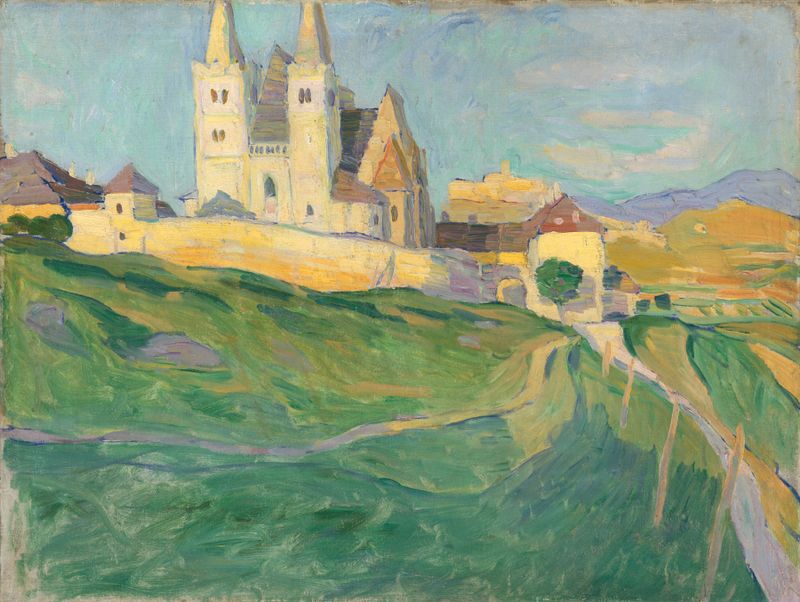
Spišská Kapitula
Konštantín Kövári-Kačmarik
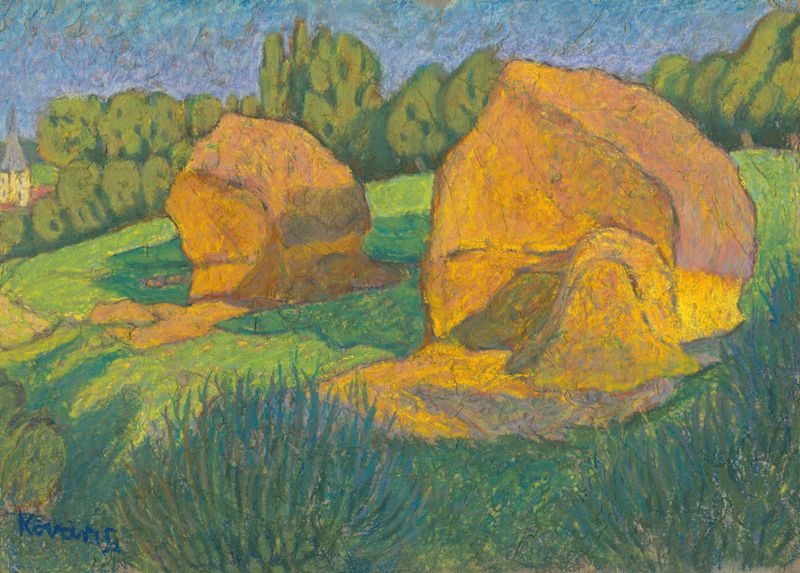
Krajina so stohmi
Konštantín Kövári-Kačmarik

Krátka ulica v Košiciach
Konštantín Kövári-Kačmarik
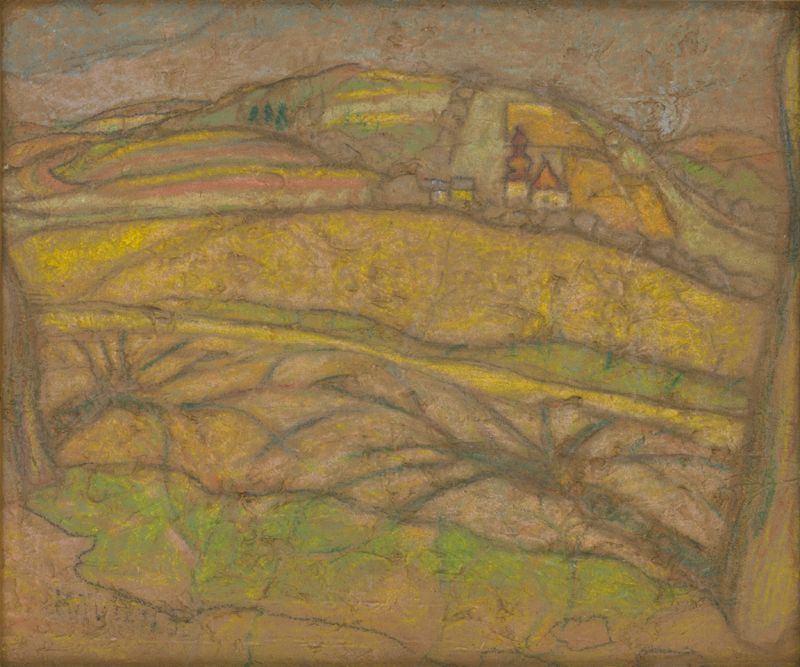
Kalvária pri Košiciach
Konštantín Kövári-Kačmarik

Ulica v Kežmarku
Konštantín Kövári-Kačmarik
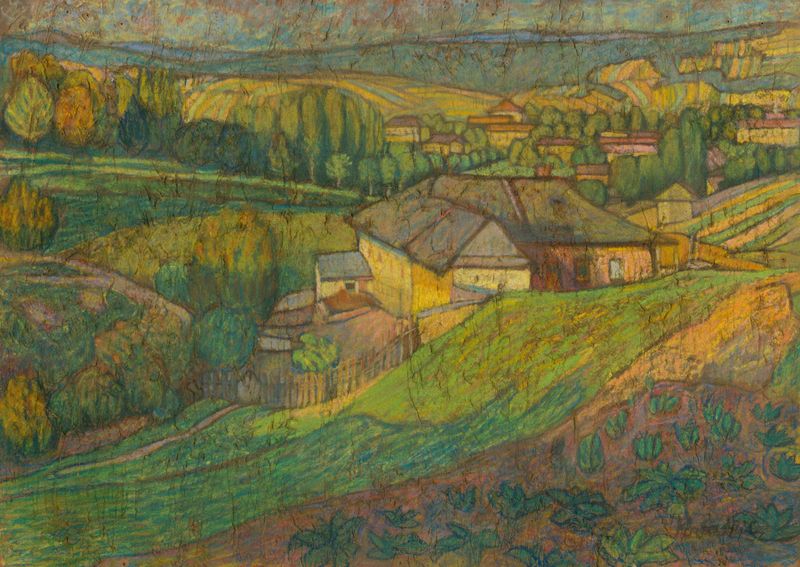
Pohľad na Kalváriu
Konštantín Kövári-Kačmarik
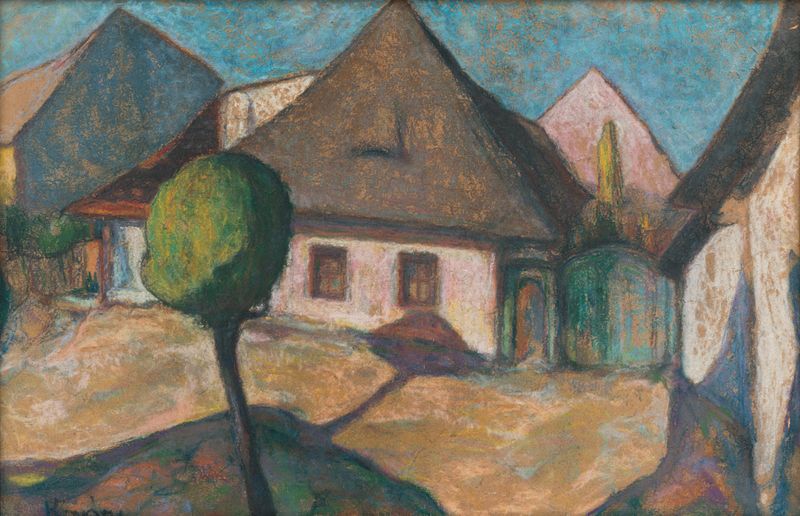
Old Košice
Konštantín Kövári-Kačmarik
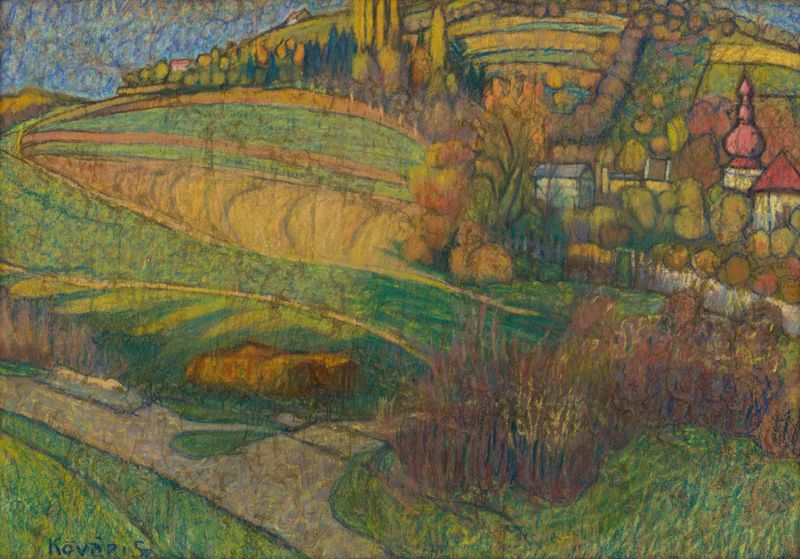
Krajina
Konštantín Kövári-Kačmarik

Krajina
Konštantín Kövári-Kačmarik
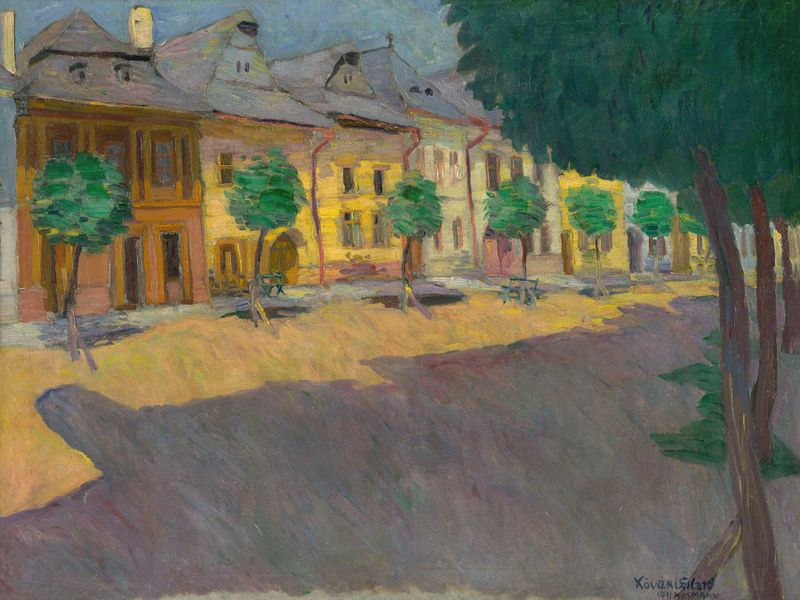
Ulica v Kežmarku
Konštantín Kövári-Kačmarik





