Discover insights about this artwork
Nadie nos ha visto. (No one has seen us.) — History & Facts
In Nadie nos ha visto by Francisco de Goya, we see a dark and moody setting filled with shadowy figures. The colors are deep and rich, dominated by blacks and browns, creating a sense of mystery. The figures are partially obscured, suggesting they are hiding or in a secretive situation.
This adds to the tension and intrigue of the scene. The painting is executed in oil on canvas, a medium that allows for rich texture and depth. The approximate dimensions are 100 x 150 cm, making it a sizable work that draws the viewer in. Goya's brushwork is loose yet deliberate, emphasizing the emotional weight of the figures.
The use of light and shadow enhances the dramatic effect of the composition. Francisco de Goya was a pivotal figure in Spanish art, bridging the gap between the Old Masters and modern art. Nadie nos ha visto reflects his interest in human psychology and the darker aspects of life. An interesting fact about this work is that it showcases Goya's ability to capture the tension between visibility and invisibility, a theme that resonates throughout his oeuvre.
This painting is housed in the Museo del Prado, one of the most important art museums in Spain.
More Artworks by Francisco de Goya
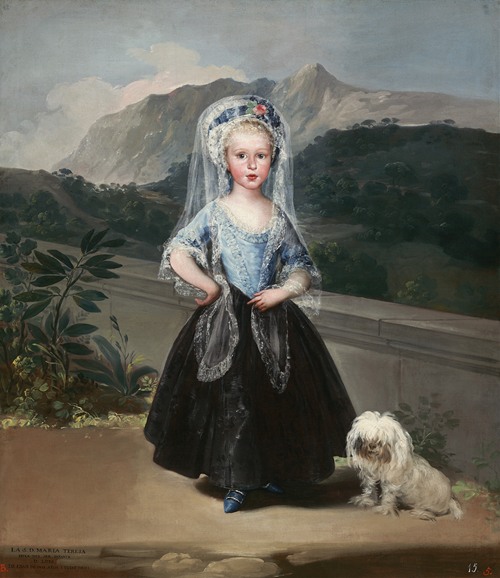
María Teresa de Borbón y Vallabriga,later Condesa de Chinchón
Francisco de Goya
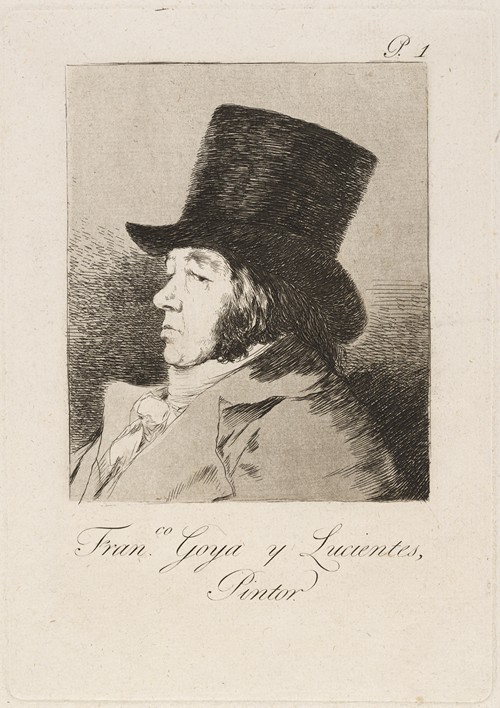
Francisco Goya y Lucientes, Pintor (Francisco Goya y Lucientes, painter)
Francisco de Goya
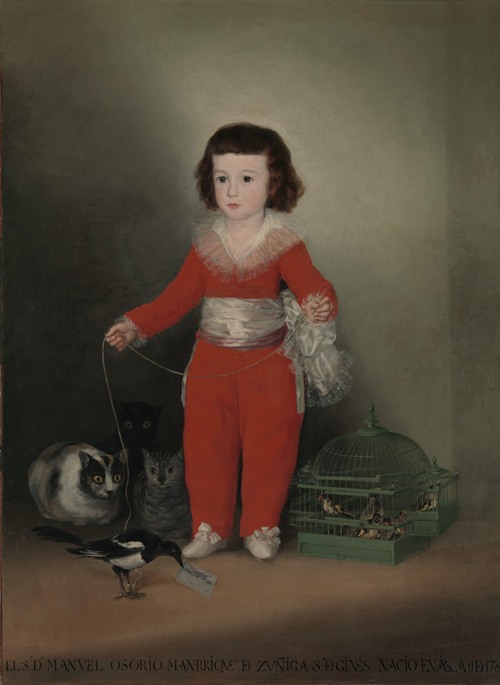
Manuel Osorio Manrique de Zuñiga (1784–1792)
Francisco de Goya
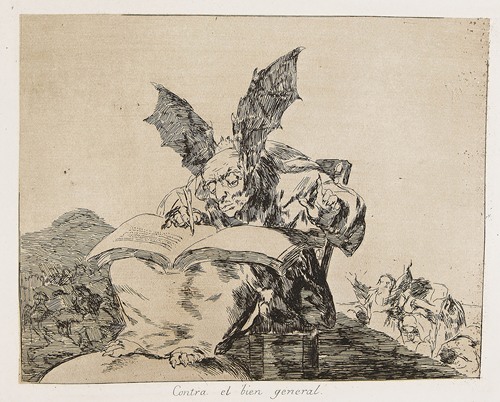
Los desastres de la guerra
Francisco de Goya
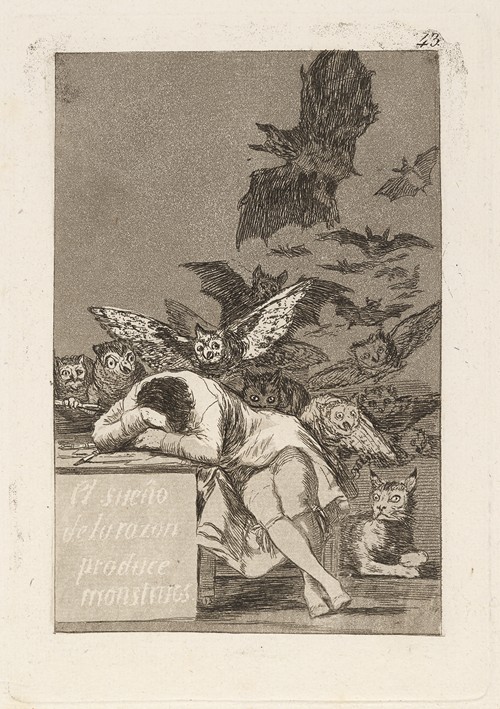
El sueño de la razon produce monstruos. (The sleep of reason produces monsters.)
Francisco de Goya
El sueño de la razon produce moustruos (Serie Caprichos)
Francisco de Goya
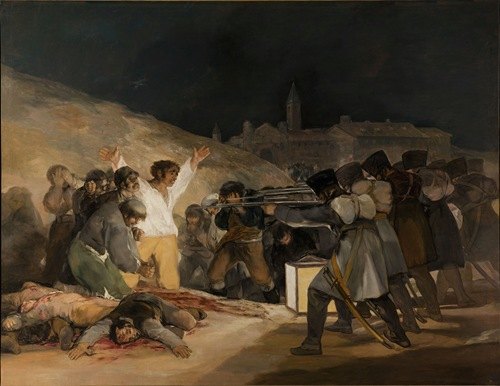
The Third of May
Francisco de Goya
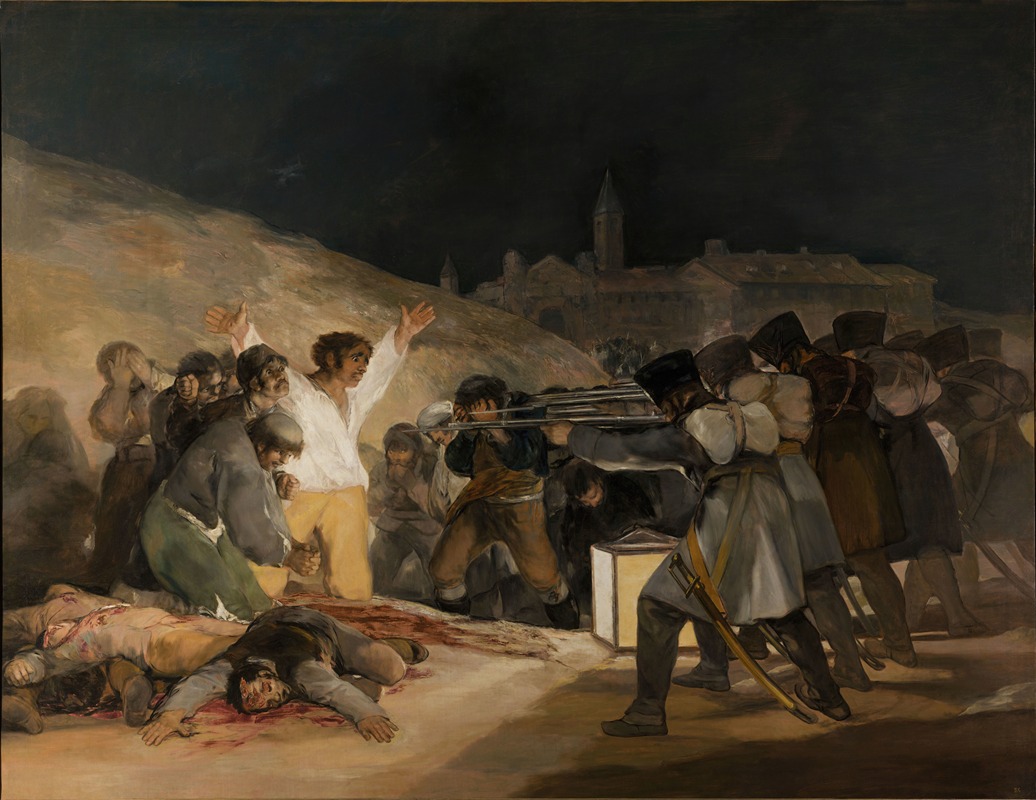
The Third of May 1808
Francisco de Goya
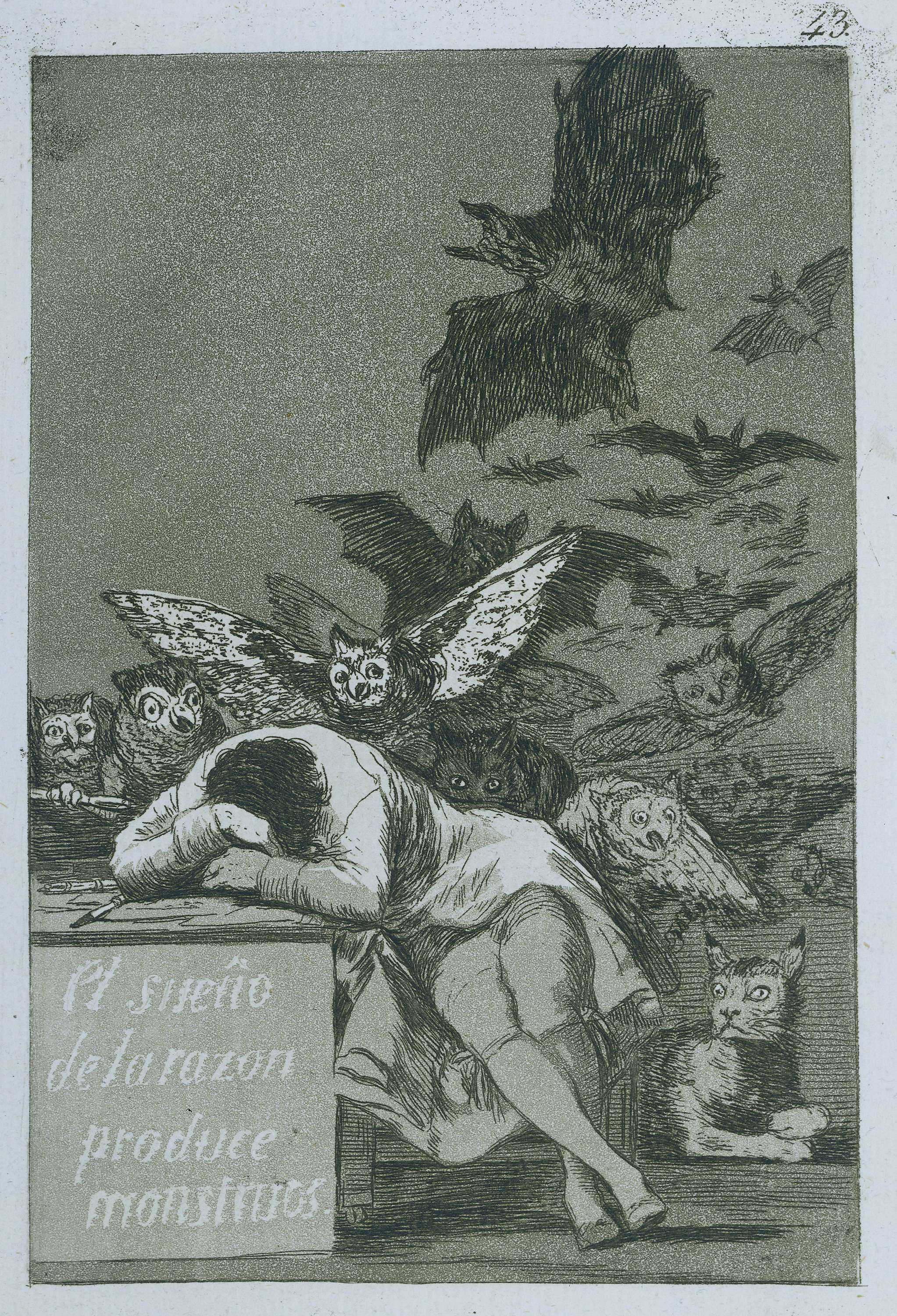
De slaap van de rede brengt monsters voort
Francisco de Goya
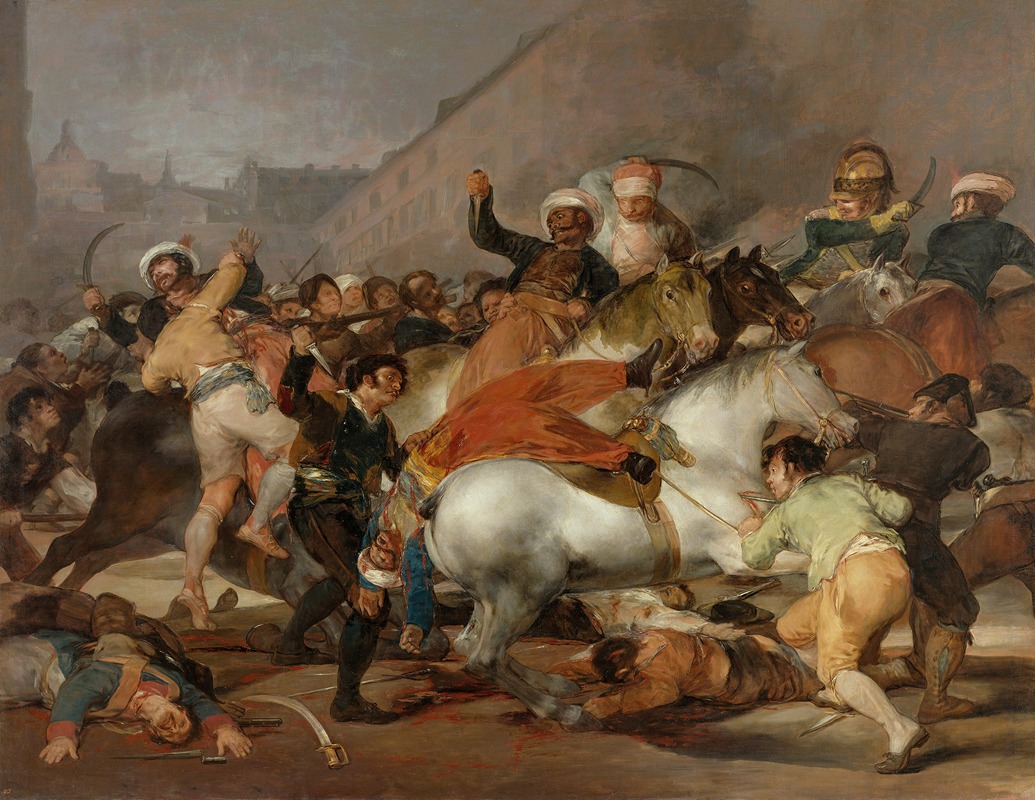
The Charge of the Mamelukes (1814)
Francisco de Goya