Nantucket Sand Dune — History & Facts
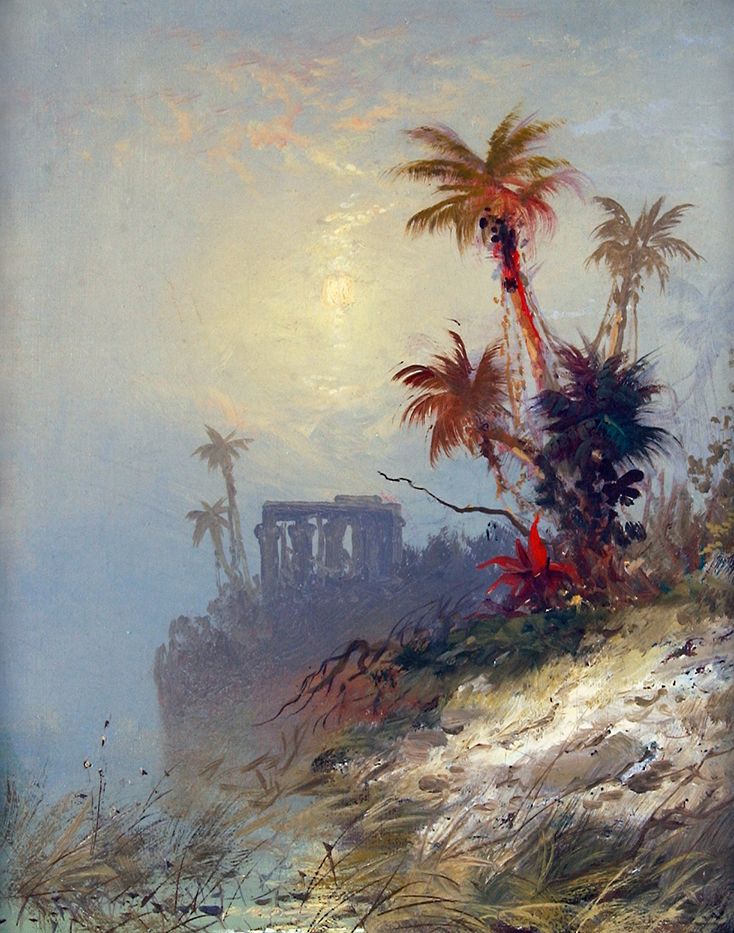
This sentiment resonates deeply with the ephemeral nature of dreams, encapsulating a paradox where the allure of the moment conceals underlying sorrow. Look closely at the sweeping curves of the sand dune, rising gracefully against the horizon. The finely blended hues of golden ochre and muted beige evoke the warmth of sunlight, casting elongated shadows that dance across the surface. McIlhenney’s brushwork, soft yet deliberate, invites the viewer to trace the undulating lines that mimic the sigh of a gentle breeze.
Splashes of vibrant green in the foreground suggest life, contrasting with the serene expanse of the dune and urging one to consider the transient beauty of this coastal escape. Yet, beneath the tranquil surface lies a deeper narrative of impermanence. The dune, ever-shifting with the tides of time, serves as a reminder of nature's fragility. Look for the subtle traces of footprints, fading away, as if indicating the fleeting moments of joy and nostalgia that are lost to the winds of remembrance.
The interplay of light and shadow suggests both warmth and isolation—a dichotomy that invites reflection on one's own dreams and the distances we traverse to reach them. Charles Morgan McIlhenney painted this work in 1890 while residing in Nantucket, a period marked by an increasing interest in the American Impressionist movement. With the world around him rapidly industrializing, he found solace in the untouched beauty of the New England coast. This piece reflects not just a moment captured in time, but also the artist’s longing for simpler, dreamlike experiences amidst a changing society.