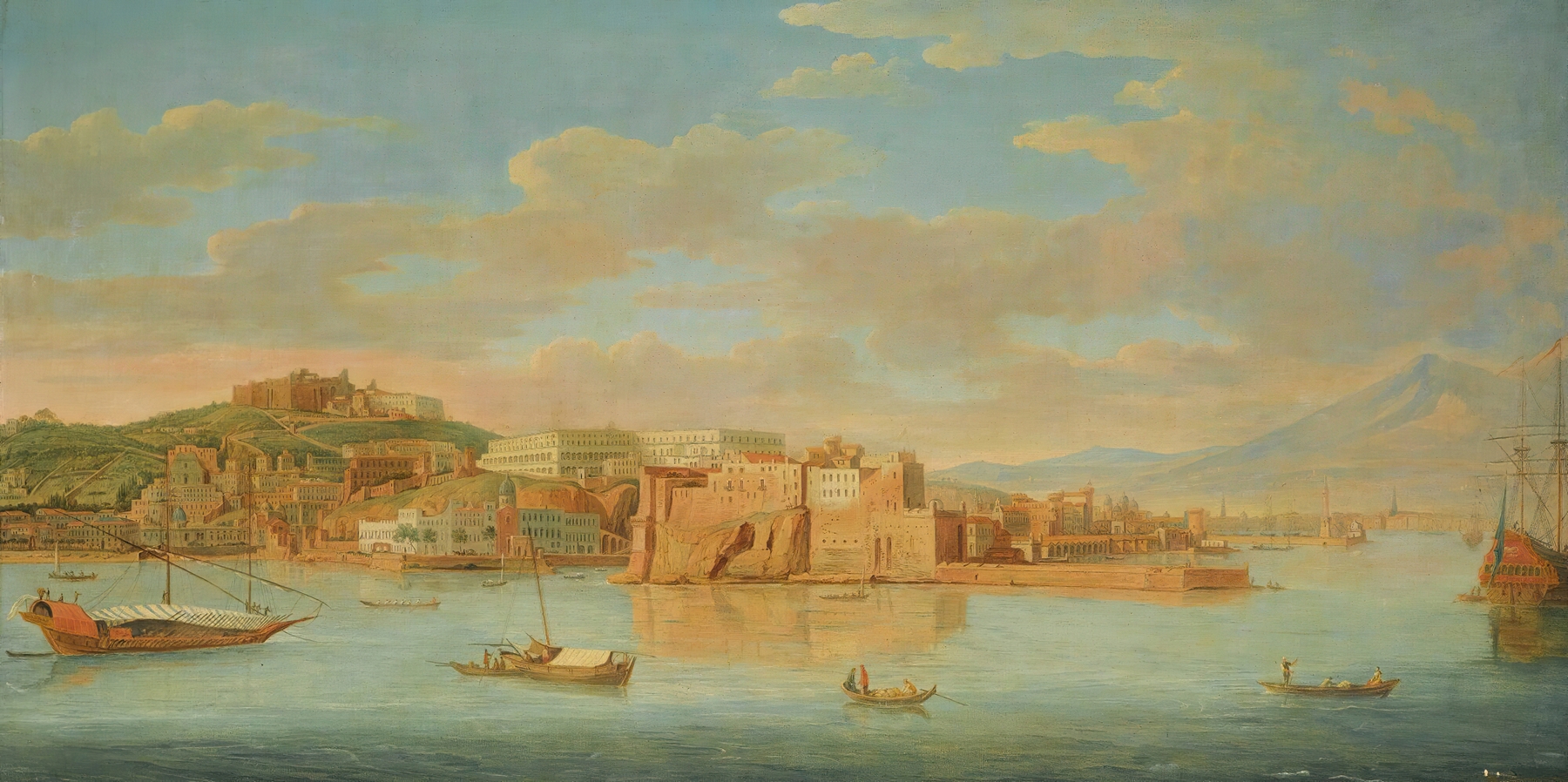
Naples, A View Of Santa Lucia And The Castel Dell’ovo — History & Analysis
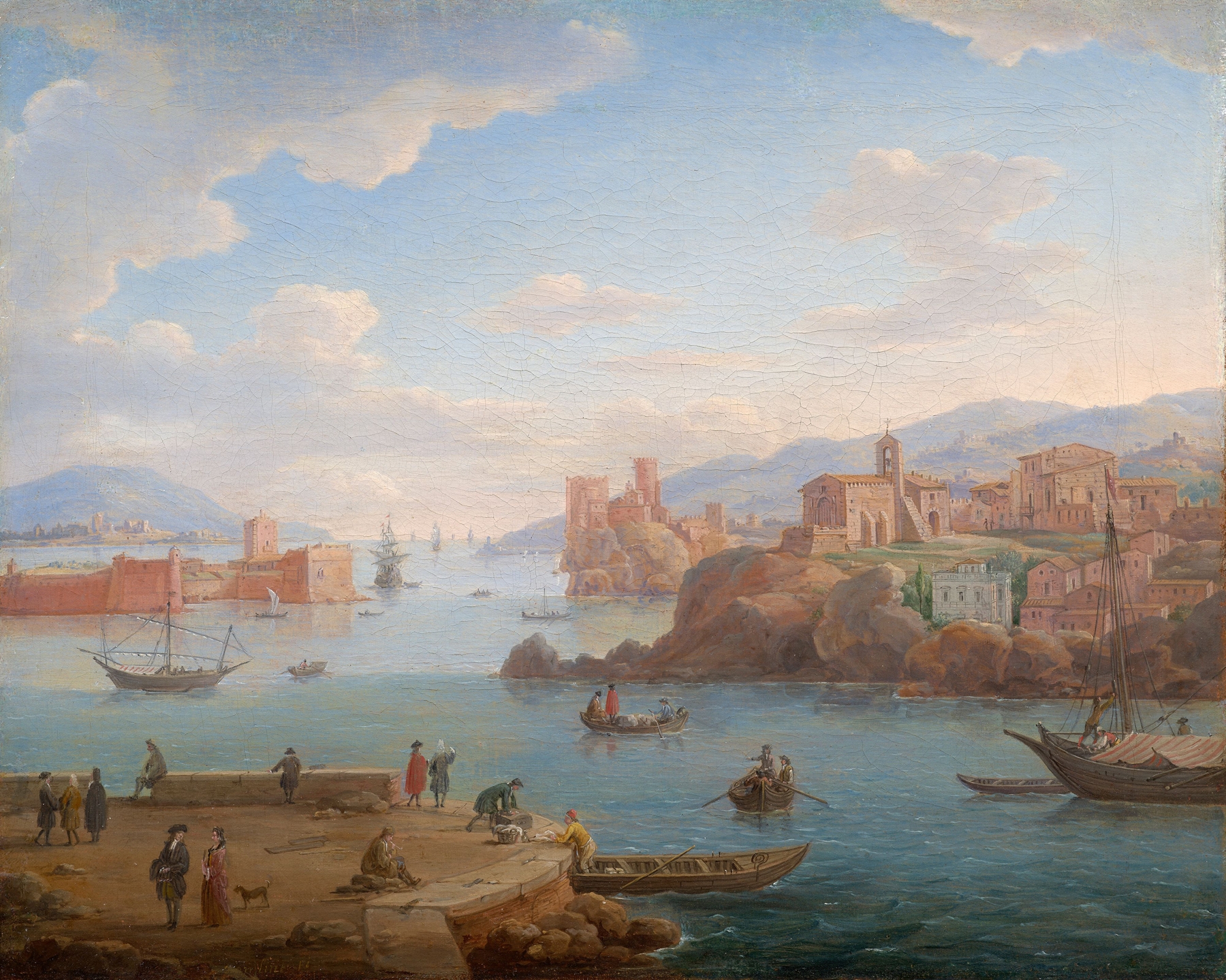
Can paint confess what words never could? In the gentle embrace of color and form, a whisper of transcendence emerges, inviting us to explore the world beyond mere description. Focus on the vibrant hues that dance across the canvas — the rich azure of the Mediterranean sky, the warm terracotta of the buildings, and the glistening reflection of sunlight upon the water. Look closely at the way the artist captures the interplay between light and shadow, revealing the textures of the architecture and the fluidity of the waves.
Each brushstroke seems to breathe life into the scene, drawing the viewer's eye towards the iconic Castel dell’Ovo, standing resolute amidst a backdrop of serene beauty. Hidden beneath the idyllic surface of this composition are layers of emotional tension. The juxtaposition of the grand castle against the tranquil waters reflects a contrast between human ambition and nature's quiet persistence. Meanwhile, the boats dotting the foreground symbolize the ever-changing journey of life — a reminder of the transient moments we experience while anchored by the timeless Mediterranean.
Each element is carefully orchestrated, conveying a sense of harmony that transcends the ordinary. Hendrik Frans Van Lint painted this evocative scene during a period rich with artistic exploration and travel in the 18th century. While specific details of the exact date remain elusive, he was known to have captured various European landscapes, often depicting the ethereal quality of light and atmospheric perspective. As the neoclassical movement began to influence Europe, artists like Van Lint strived to convey both beauty and emotional resonance, striving for a transcendent experience in their work.