
Naples, from the south-east, with the Castel Nuovo — History & Facts
Who listens when art speaks of silence? In Naples, from the south-east, with the Castel Nuovo, a breath of stillness envelops the viewer, whispering tales of decay and resilience. Look to the left at the towering Castel Nuovo, its ancient stones bathed in the warm embrace of a subdued sunset. Notice the gentle gradation of colors—soft ochres, muted greens, and deep blues—that convey both the beauty and deterioration of this historic site. The architecture looms in stark contrast against the serene sky, cleverly framing the bustling city below, where life and decay intertwine in a delicate balance.
The composition draws the eye towards the horizon, amplifying the sense of depth and inviting contemplation. Delve deeper into the details; the crumbling fortress is a poignant metaphor, echoing the fragility of human endeavors. Observe how the decay of the castle’s structure mirrors the fleeting nature of time itself, while the vivacious city life below suggests a relentless march forward. This juxtaposition speaks to the resilience of culture amid inevitable decline, asking the viewer to embrace the beauty found within imperfection and transience. Antonio Joli created this piece during a period marked by a flourishing of landscape painting in the 18th century, reflecting the Romantic fascination with nature and ruins.
Working in Naples, Joli captured the vibrancy of his surroundings, as well as the remnants of history that permeated the city. His artistic journey coincided with the broader movement in Europe toward celebrating the past while grappling with the present, establishing a rich dialogue between memory, decay, and the passage of time.
More Artworks by Antonio Joli
Browse all →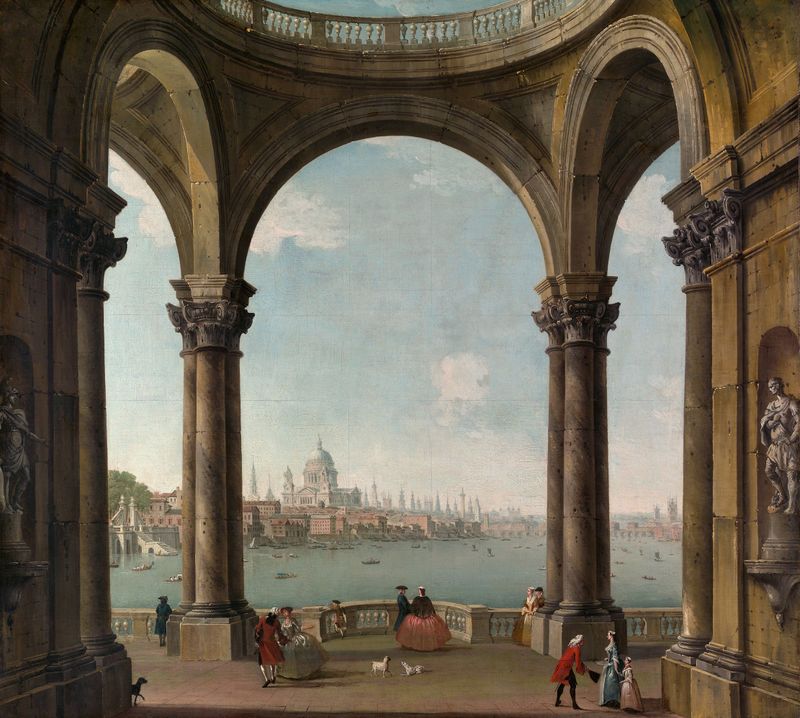
Capriccio with St. Paul’s and Old London Bridge
Antonio Joli
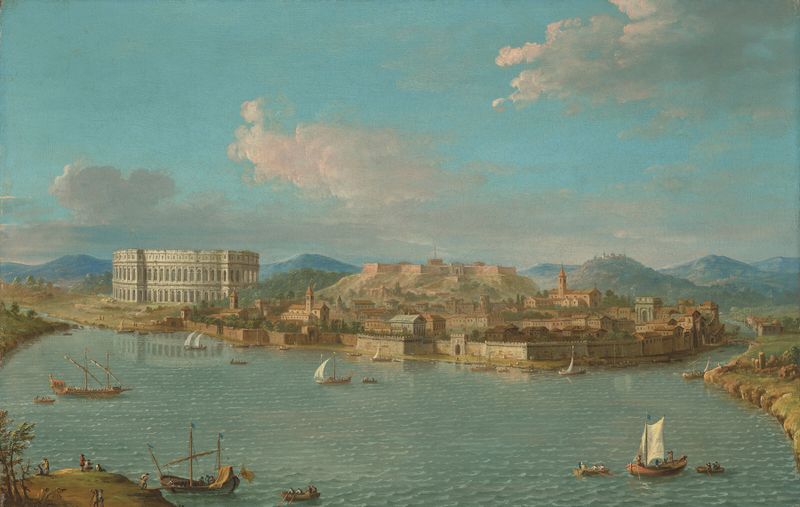
Pula, with the Pula Arena
Antonio Joli
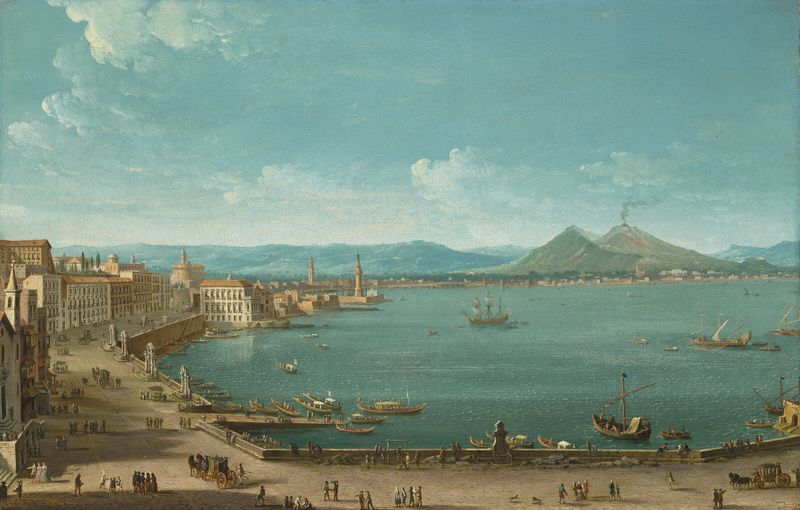
Naples with the Bay of Santa Lucia and Vesuvius beyond
Antonio Joli
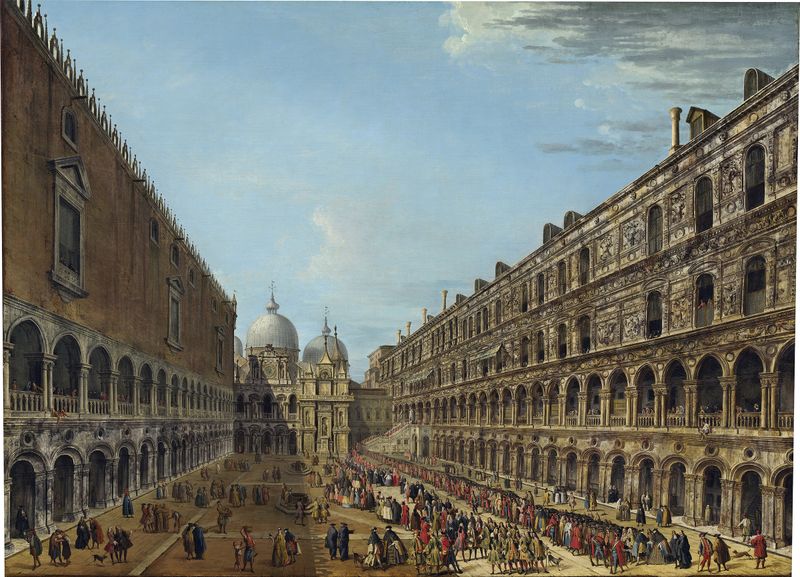
Procession in the Courtyard of the Ducal Palace,Venice
Antonio Joli
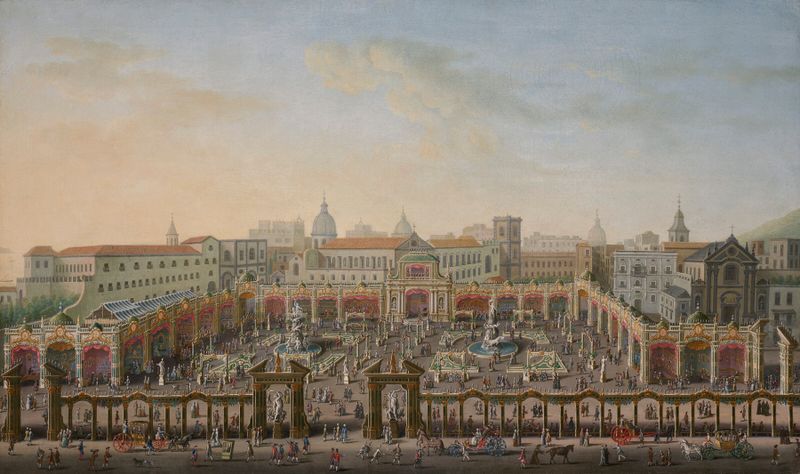
Naples, Piazza Trieste e Trento with a fair viewed from a balcony of the Palazzo Reale
Antonio Joli
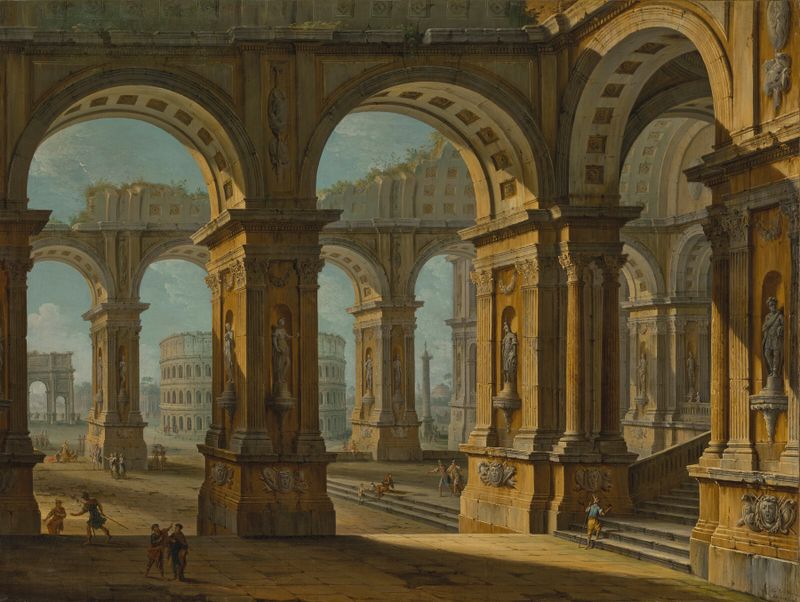
A capriccio of Rome with the Colusseum and Arch of Titus
Antonio Joli
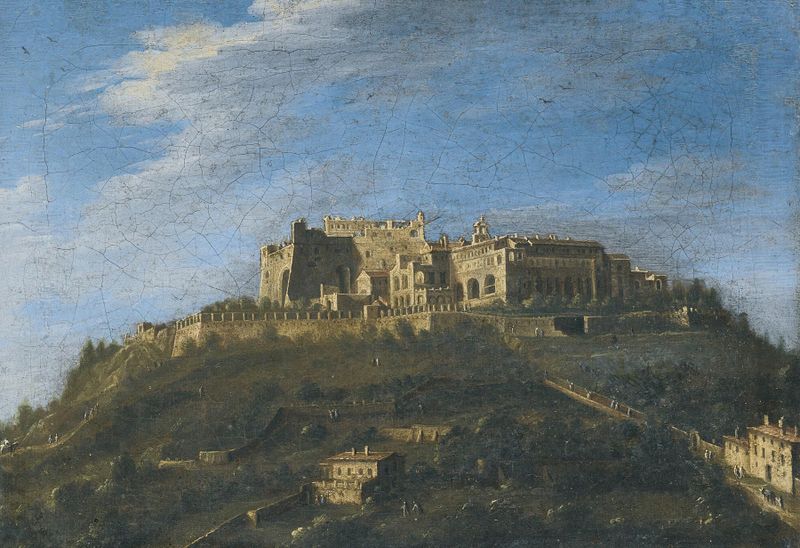
Monastery Di San Martino, Naples
Antonio Joli
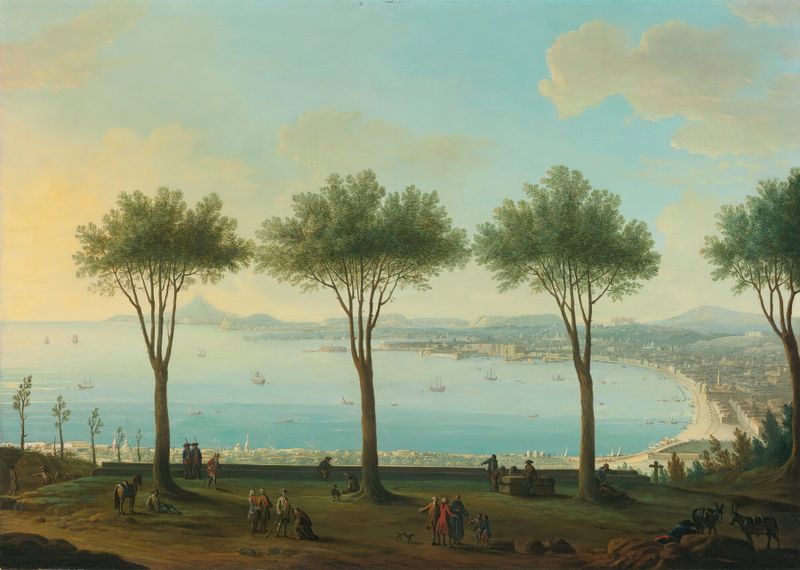
View Of The Bay Of Naples From The South (Possibly Poggioreale), Looking North With A King Of The Bourbon Family, Possibly Ferdinand Iv, In The Foreground
Antonio Joli
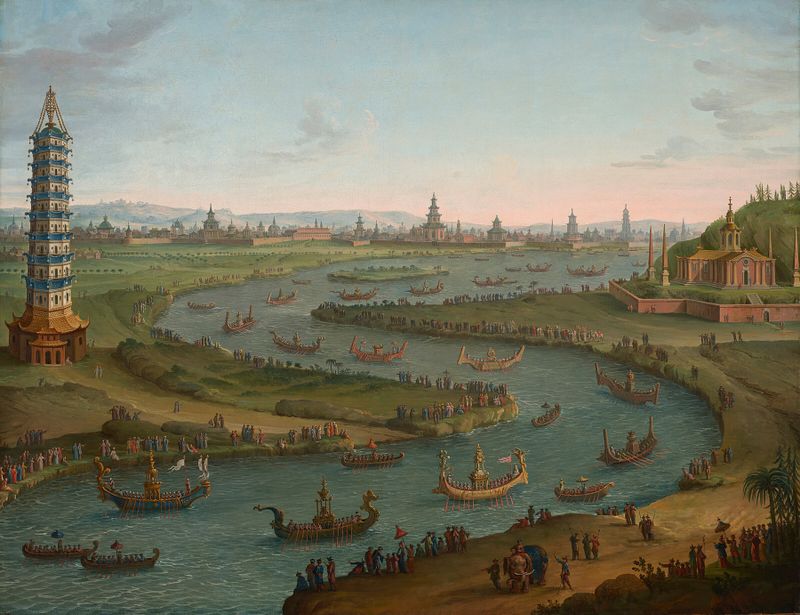
A capriccio with the French Ambassador approaching the King of Siam’s Palace in a state barge, in October 1685
Antonio Joli
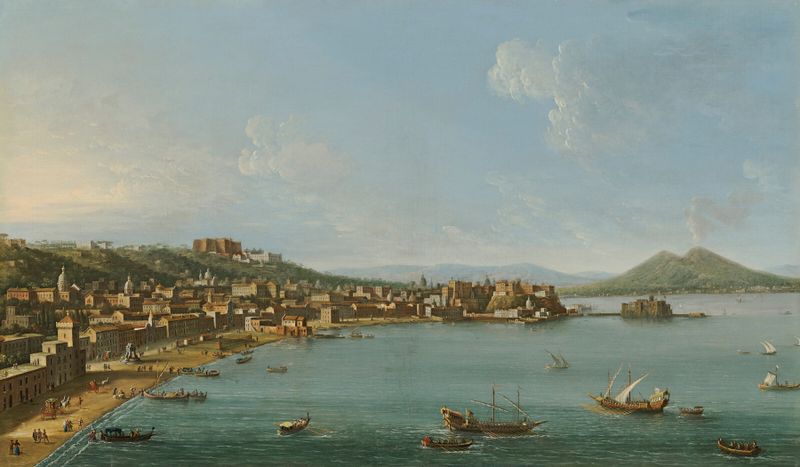
Naples, a view of the Riviera di Chiaia, from the north-west, with Vesuvius beyond
Antonio Joli
More Architecture Art
Browse all →
The statue of Liberty
Frédéric Auguste Bartholdi

View of Houses in Delft, Known as ‘The Little Street’
Johannes Vermeer

View of Houses in Delft, Known as ‘The Little Street’
Johannes Vermeer

The Cathedral in Rouen. The portal, Grey Weather
Claude Monet

The yellow house
Vincent van Gogh

The Church in Auvers-sur-Oise, View from the Chevet
Vincent van Gogh