
Natur und Kultur 9848 Österreichische Galerie Belvedere — History & Facts
What first draws the eye in August Schaeffer von Wienwald’s Natur und Kultur 9848 Österreichische Galerie Belvedere is the deliberate tension between wildness and order, a landscape split not just by the triptych format but by the very character of its trees. On the left, birches stand in tangled, organic confusion, their pale trunks and fine branches catching the light in a haze of early spring. The center panel opens into a clearing, the sky vast and luminous, the land stretching away in a gentle, almost melancholic recession.
On the right, a regimented avenue of darker trees marches into the distance, and within their shadow a horse-drawn carriage hints at human presence and purpose. The painting’s palette is restrained, the greens and grays subdued, letting the interplay of light and structure set the mood—one of quiet transition, where nature and culture meet but do not quite merge. Created in 1905, this work belongs to a moment when Austrian landscape painting was caught between tradition and the stirrings of modernity. Artists like Schaeffer von Wienwald responded to a society rapidly changing: the countryside was being mapped, ordered, and traversed by new roads and carriages, even as the old forests lingered on the margins.
Works such as this were often commissioned or collected by public institutions keen to assert a national identity rooted in both natural beauty and cultivated progress. Today, the painting resides in the collection of the Österreichische Galerie Belvedere, a fitting home for an image that so deftly stages the encounter between untamed woodland and the encroaching geometry of civilization. The contrast invites viewers to linger, tracing the boundary where the wild gives way to the planned, and to wonder which side of the triptych truly claims the future.
More Artworks by August Schaeffer von Wienwald
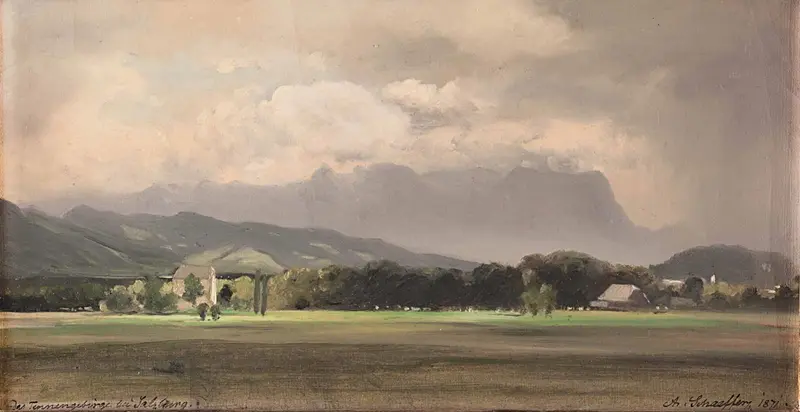
August Schaeffer Blick von Glasenbach bei Salzburg zum Tennengebirge
August Schaeffer von Wienwald
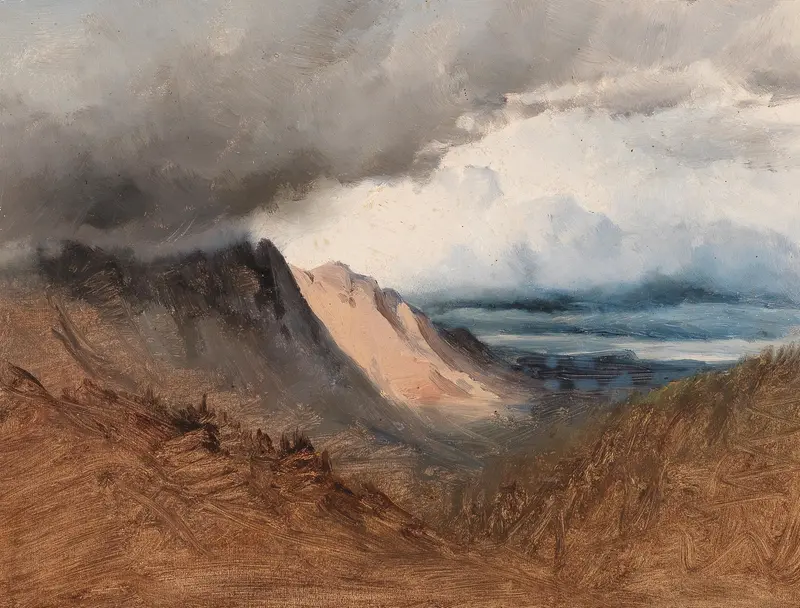
The Gosaukamm Mountain Massif
August Schaeffer von Wienwald
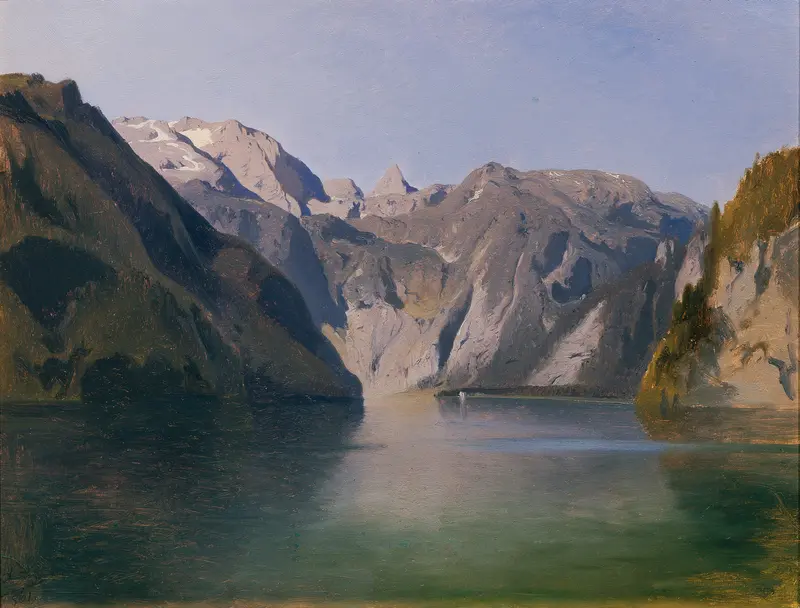
Blick über den Königssee
August Schaeffer von Wienwald
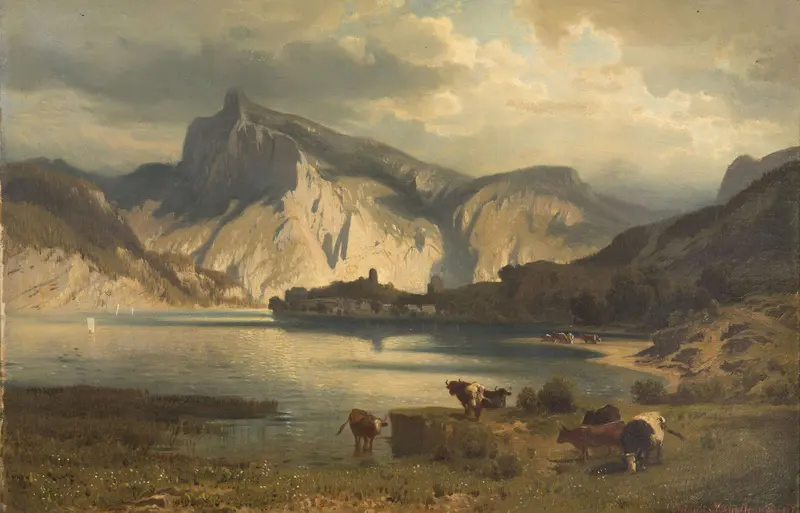
Landscape with a Lake
August Schaeffer von Wienwald
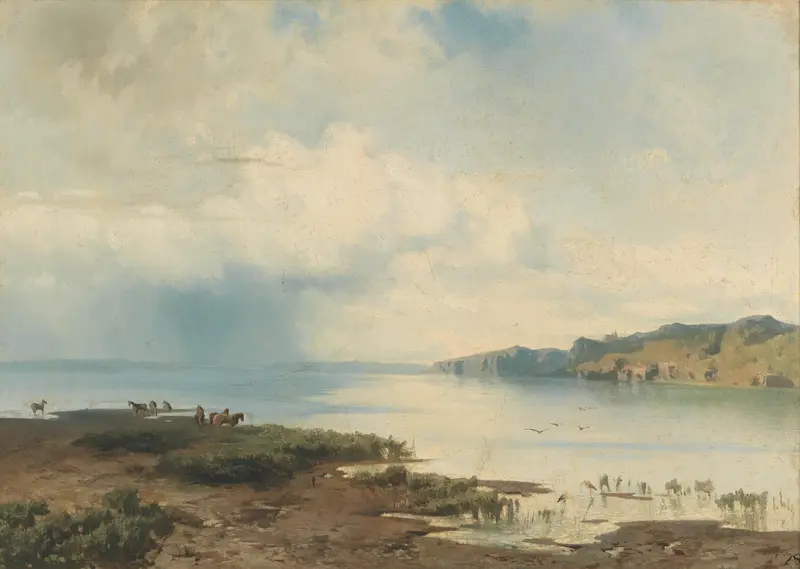
Pferde an der Küste
August Schaeffer von Wienwald
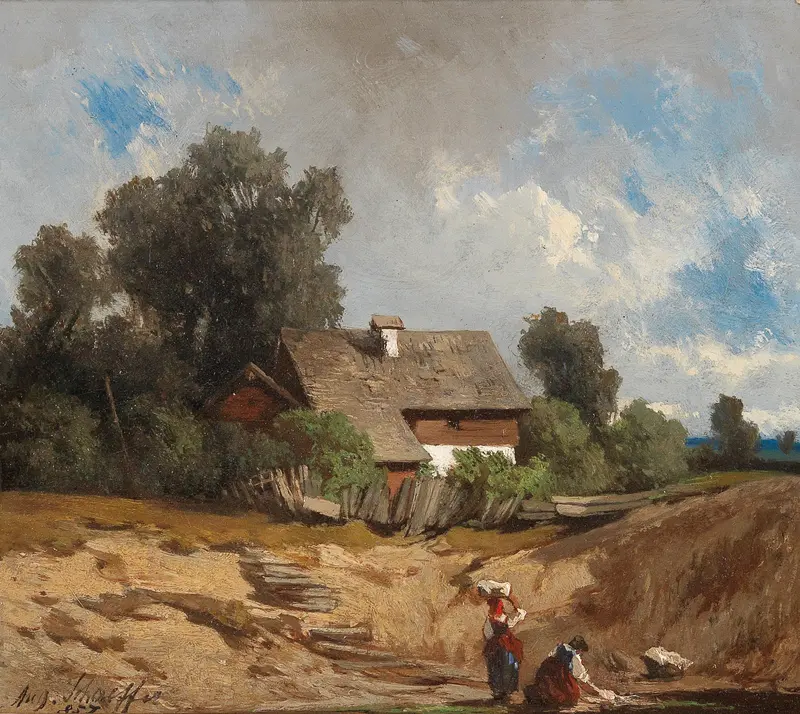
Washerwomen by the River
August Schaeffer von Wienwald
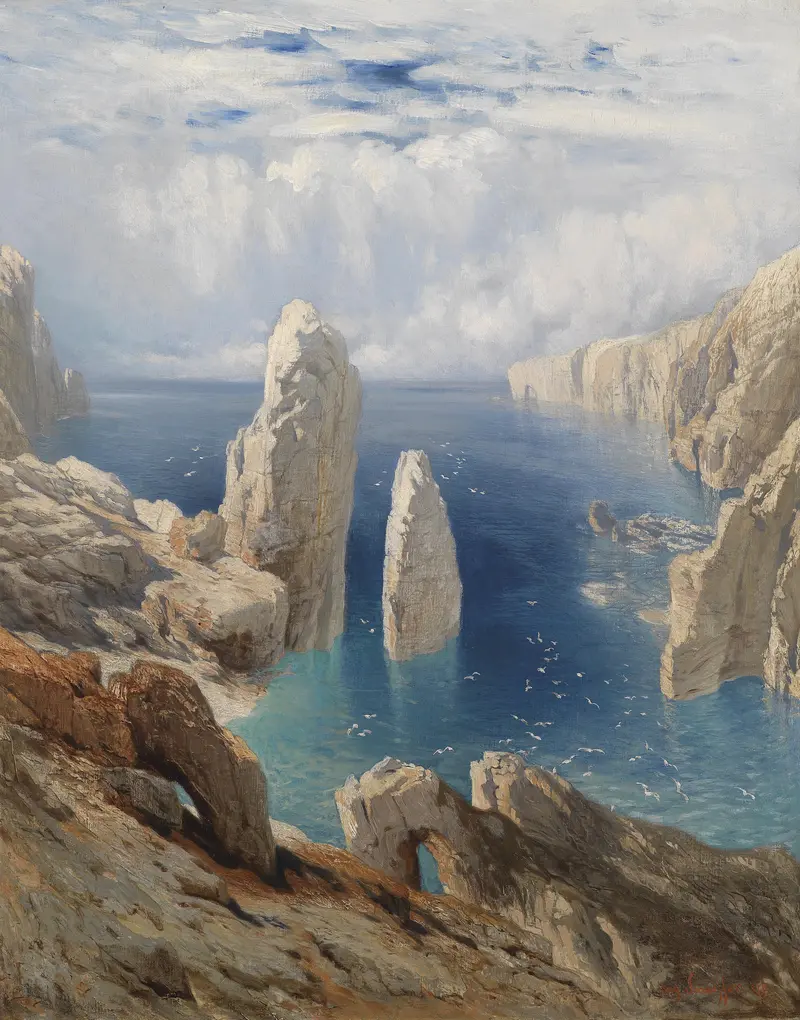
Steilküste
August Schaeffer von Wienwald
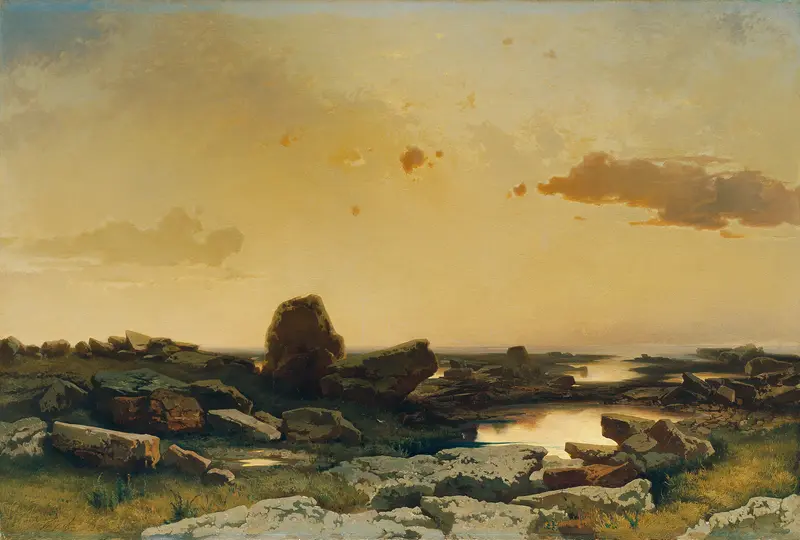
Helgoland
August Schaeffer von Wienwald
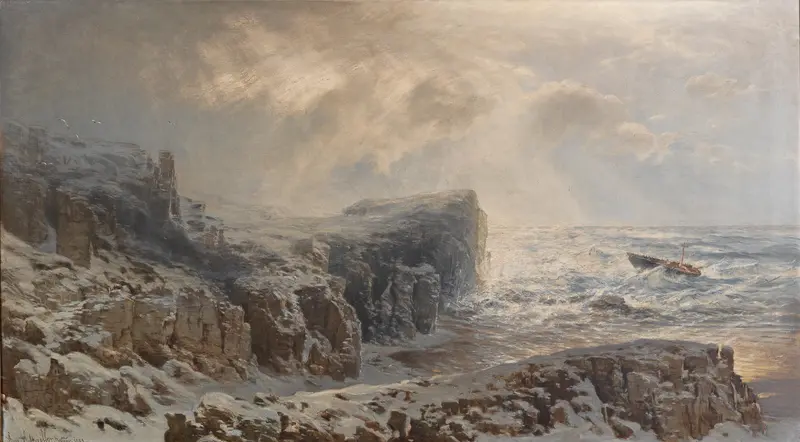
Schneesturm an einer nordischen Küste
August Schaeffer von Wienwald
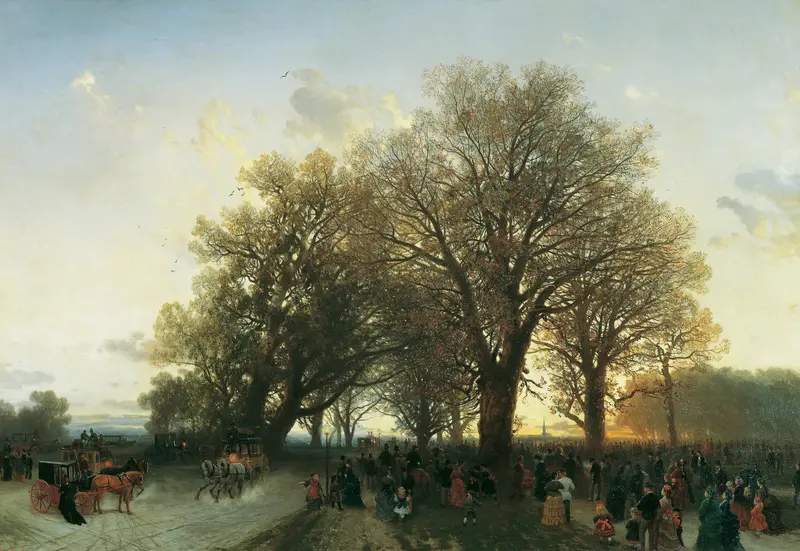
Auf dem Heimweg von der Weltausstellung im Wiener Prater 1873
August Schaeffer von Wienwald
More Landscape Art

The Starry Night
Vincent van Gogh

View of Delft
Johannes Vermeer

Water Lilies
Claude Monet

The Grand Canal, Venice, looking north-west from the Ca' Corner to the Ca' Contarini degli Scrigni, with the campanile of Santa Maria della Carità
Canaletto

Windsor Castle
Canaletto

The Grand Canal looking North-East from the Palazzo Dolfin-Manin to the Rialto Bridge
Canaletto