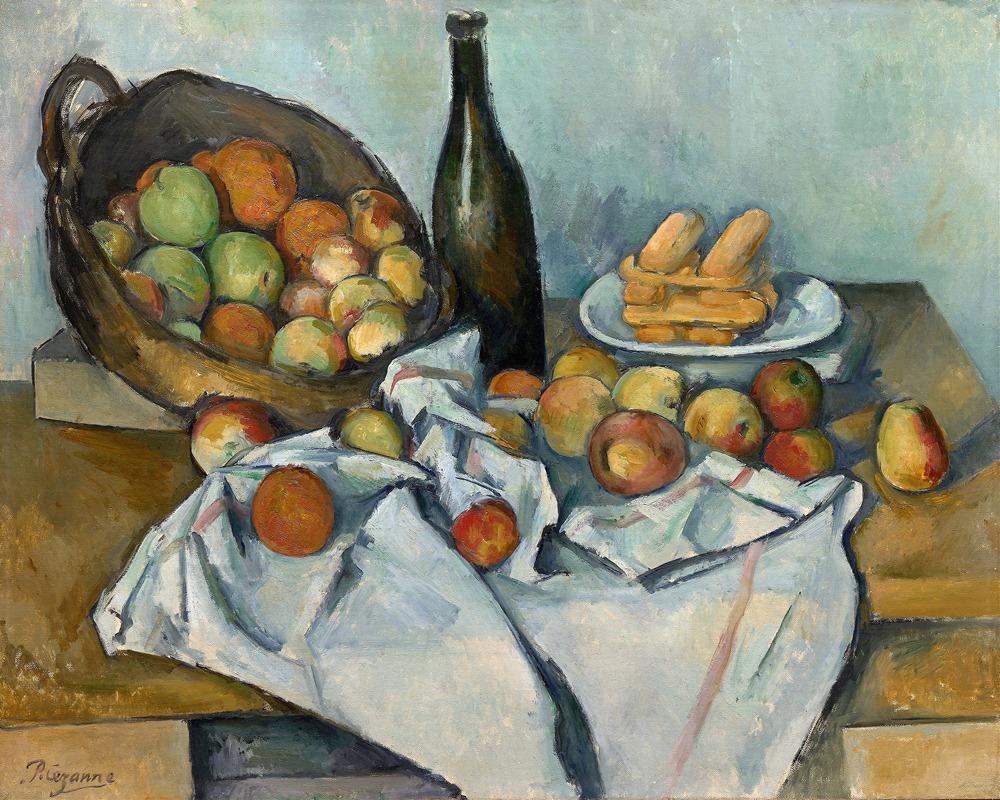
Discover insights about this artwork
Nature morte au melon d’Espagne — History & Facts
In Nature morte au melon d’Espagne, the viewer is greeted by a vibrant composition featuring a ripe Spanish melon. The colors are rich, with deep greens, warm yellows, and soft whites that create a lively contrast. The melon is placed on a simple table, surrounded by a few other fruits, which adds to the overall freshness of the scene.
The brushwork is loose and fluid, typical of Impressionism, allowing the colors to blend and interact beautifully. The painting is executed in oil on canvas, a medium that allows for the vibrant color palette Monet is known for. The dimensions are approximately 60 x 80 cm, making it a medium-sized work that invites close viewing. Monet's technique involves layering colors to create depth and texture, which is evident in the way the melon appears to glow.
The overall composition is balanced, drawing the eye towards the central melon. Claude Monet, a leading figure in Impressionism, painted this work in the 1860s, a time when he was exploring still life subjects. This piece reflects his interest in capturing the effects of light and color in everyday objects. An interesting fact about this work is that it showcases Monet's ability to elevate simple subjects, like fruit, into something visually striking.
Today, Nature morte au melon d’Espagne is housed in the Musée d'Orsay, where it continues to attract art lovers.
More Artworks by Claude Monet
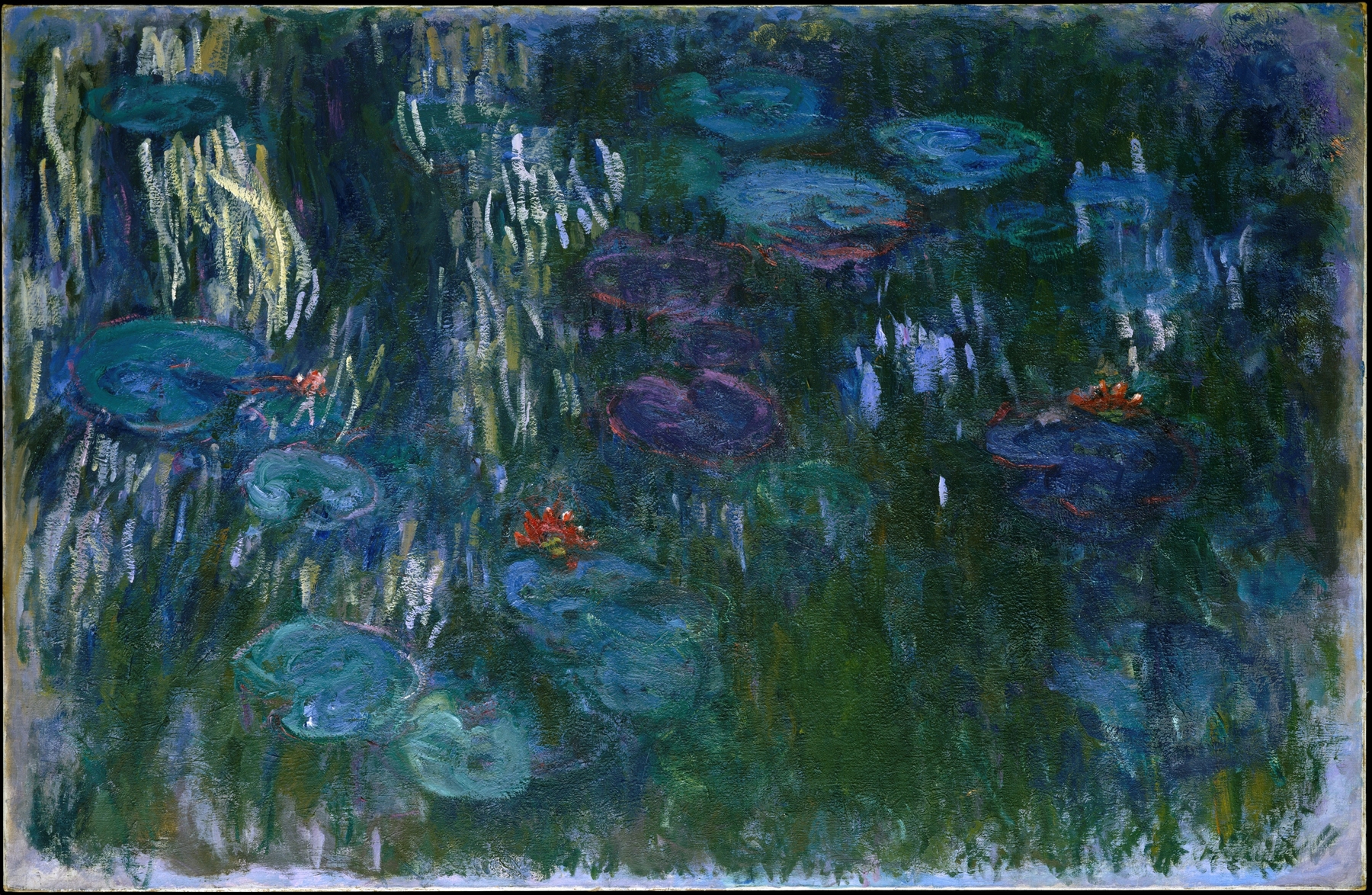
Water Lilies
Claude Monet
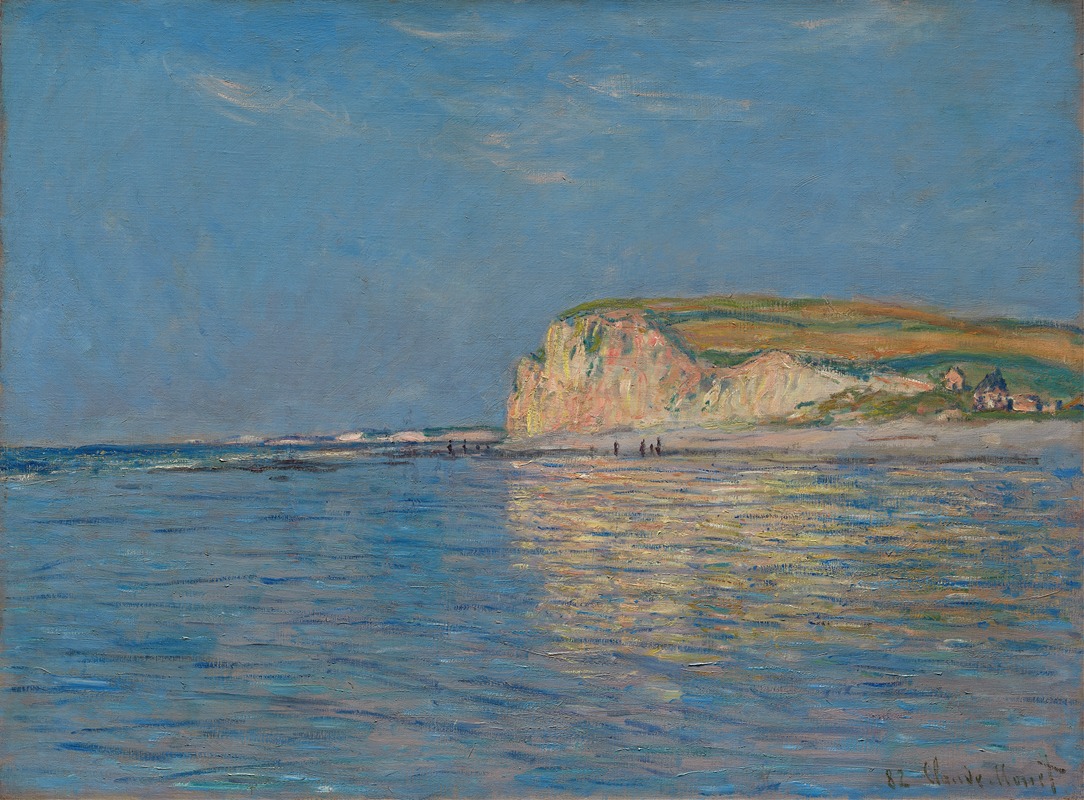
Low Tide at Pourville, near Dieppe
Claude Monet
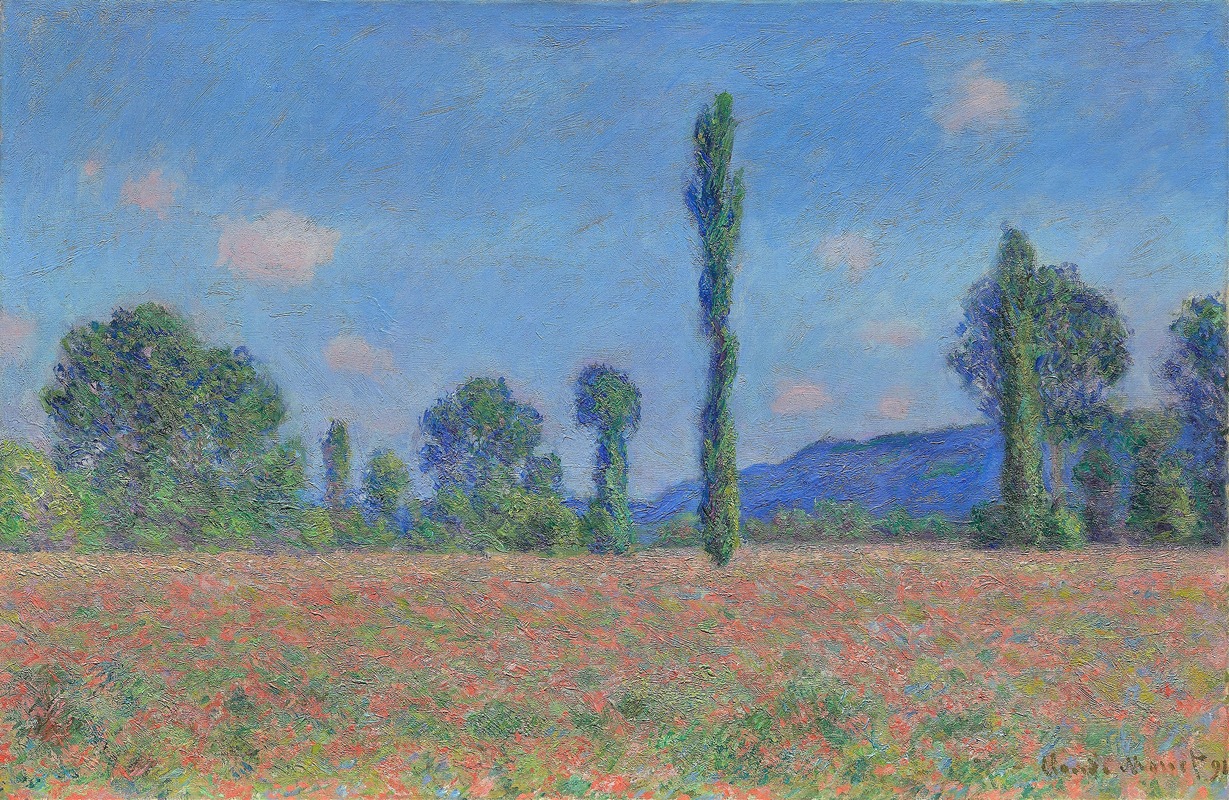
Poppy Field (Giverny)
Claude Monet
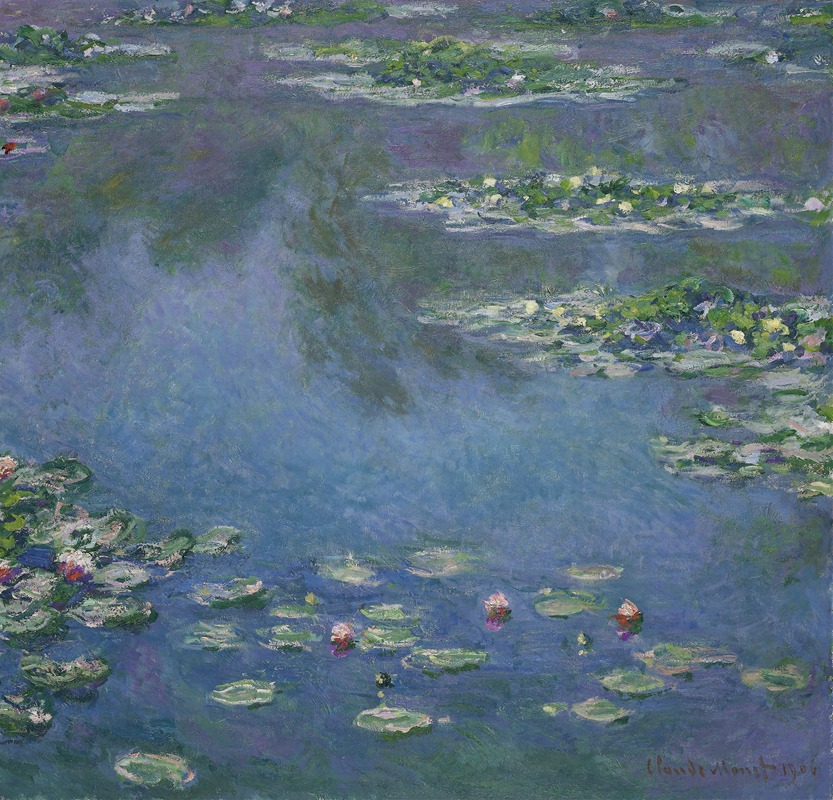
Water Lilies
Claude Monet
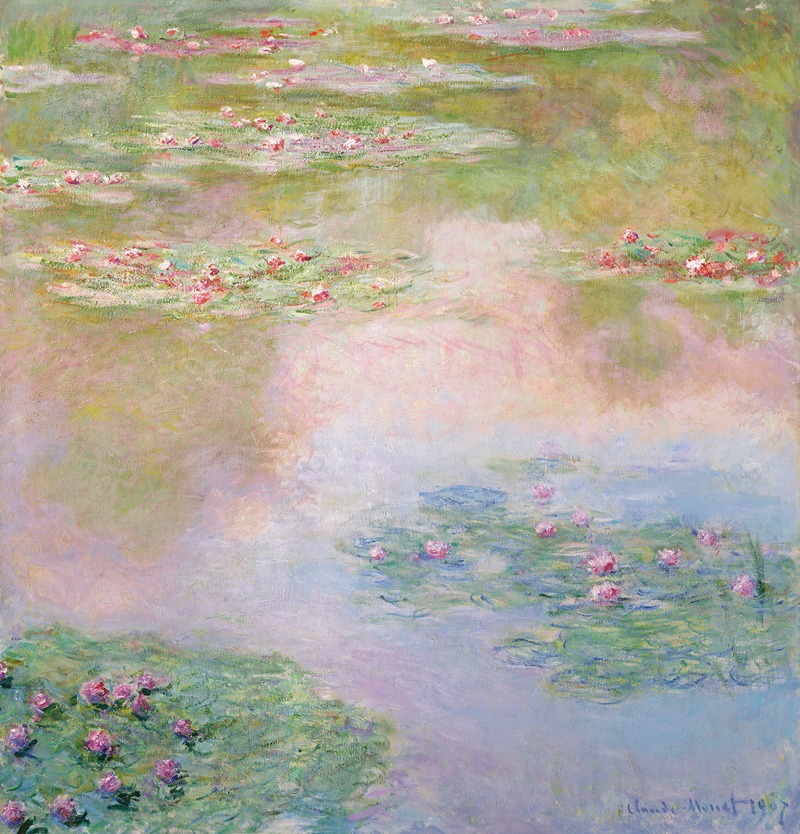
Nymphéas
Claude Monet
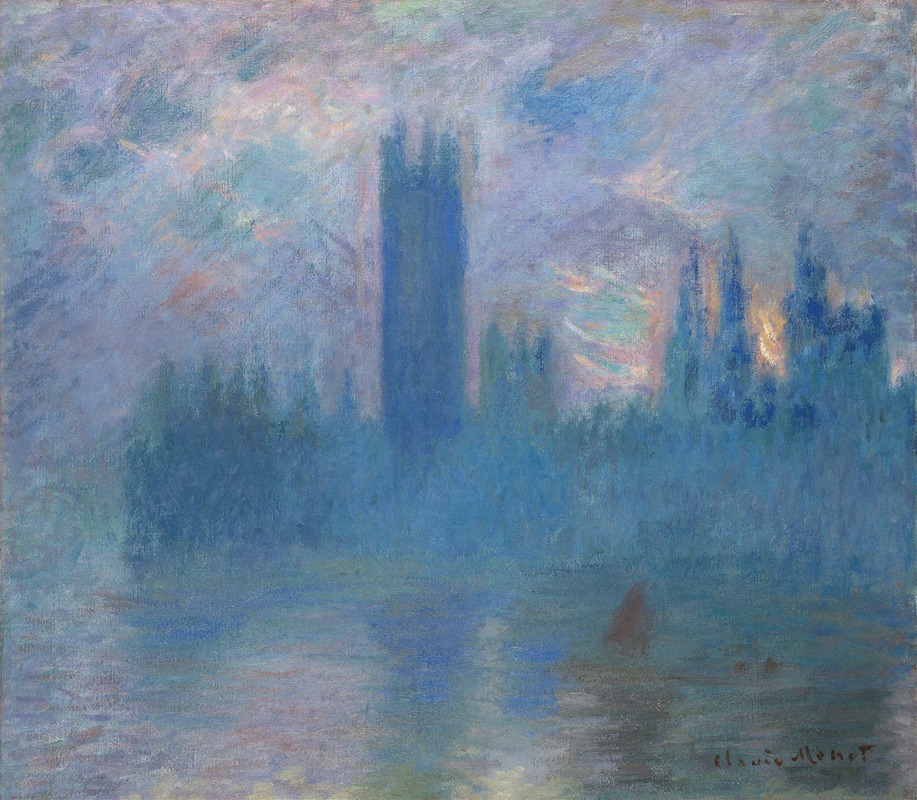
Houses of Parliament, London
Claude Monet
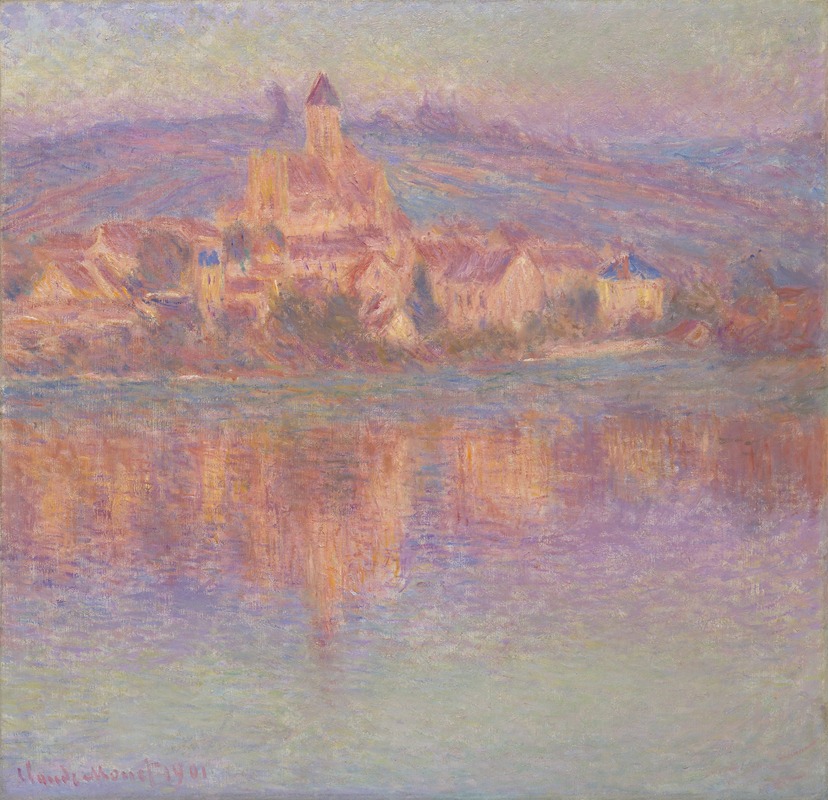
Vétheuil
Claude Monet
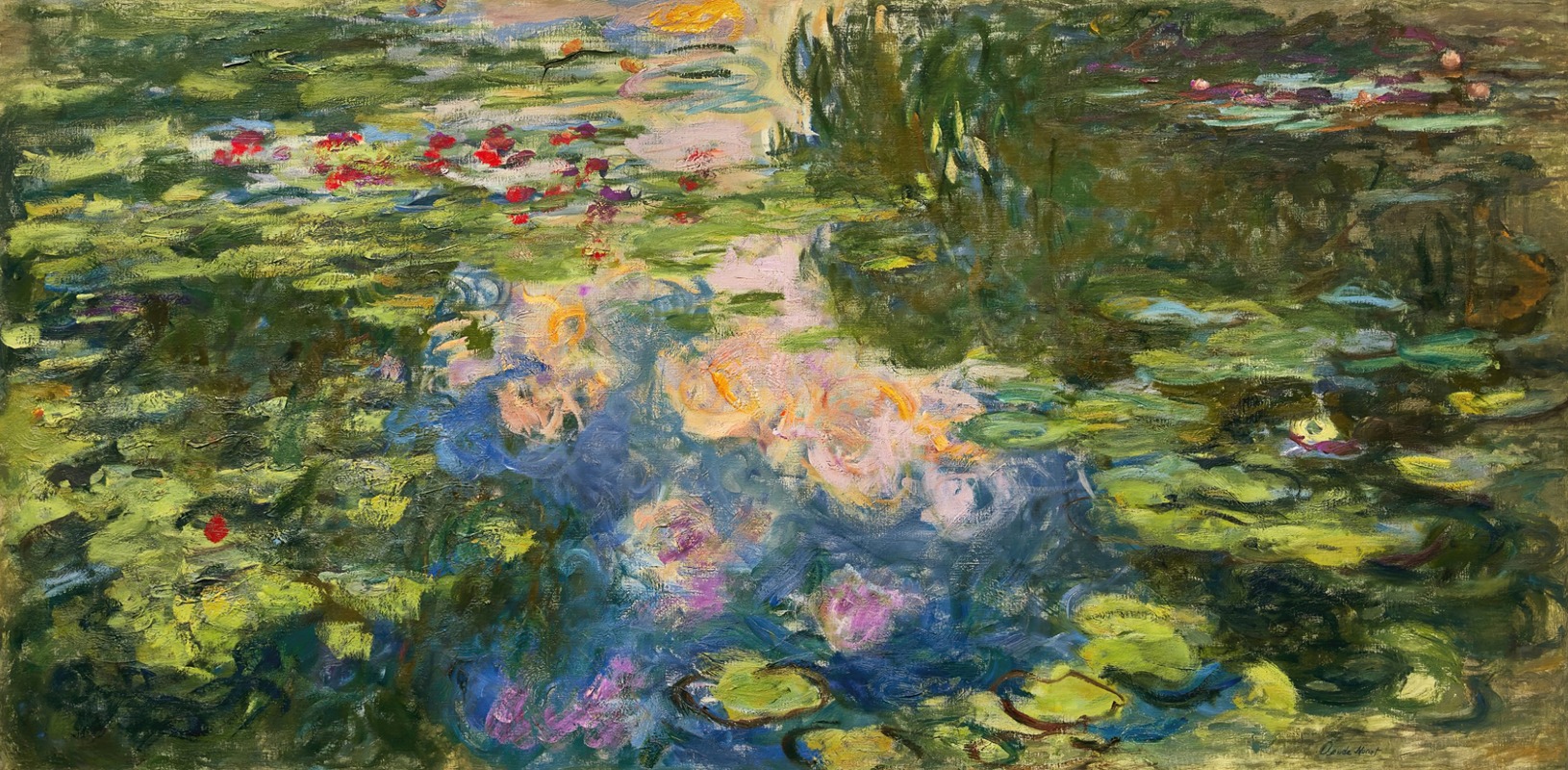
Le Bassin aux nymphéas
Claude Monet
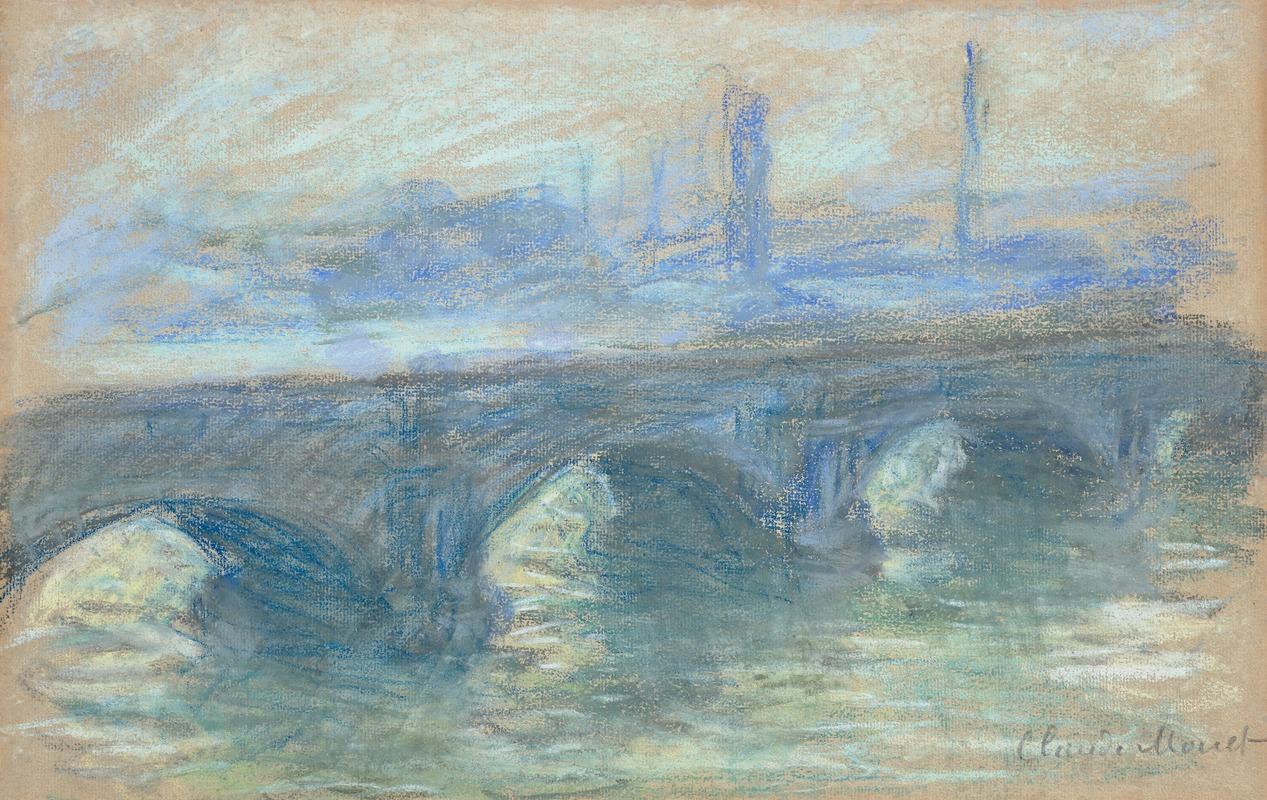
Waterloo Bridge
Claude Monet

Printemps à Giverny, effet d’après-midi
Claude Monet