
Neglected Lands — History & Facts
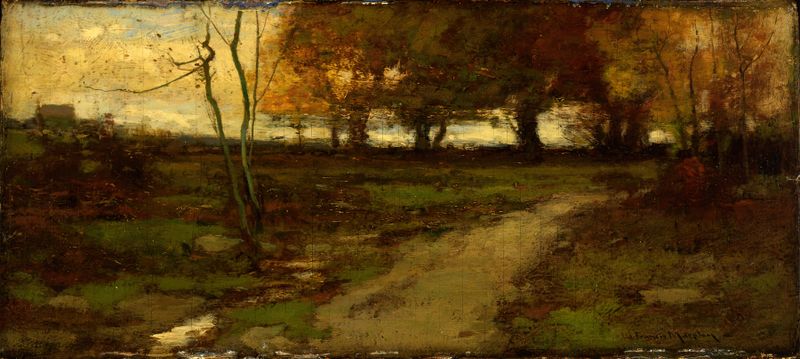
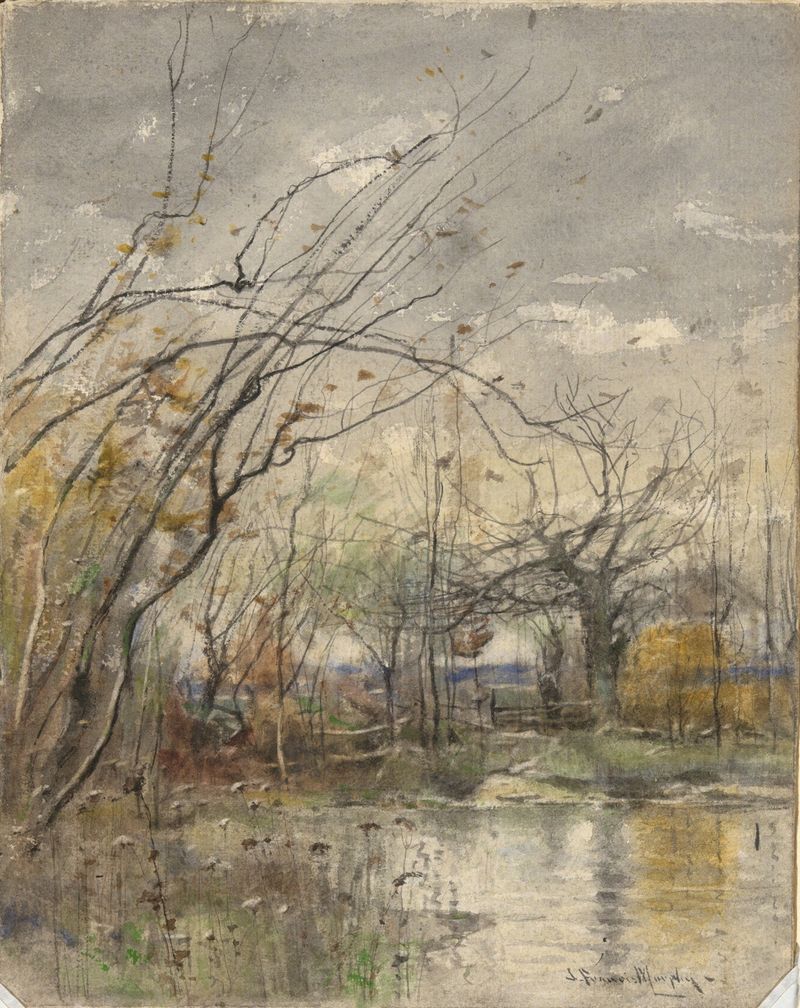
In the stillness of time, where memory lingers like a fading echo, landscapes await the gentle caress of appreciation. Look to the lower left, where the muted greens of the grass meet the quiet browns of the earth, a soft embrace that invites the viewer into a world often overlooked. Notice how the brushstrokes vary—some smooth and flowing, while others are jagged and rough, hinting at the contrast between nature’s serenity and its unyielding harshness. The light filters through the trees, casting dappled shadows that dance along the ground, bringing depth to the scene and pulling our gaze toward the horizon, where the sky bleeds into an ethereal blue. Here, in the subtle interplay of light and shadow, we find emotional tensions that reflect the passage of time itself—an acknowledgment of what once flourished and what has been left to fade.
The juxtaposition of vibrant yet weary colors speaks to the resilience of nature amidst neglect, suggesting a longing for rejuvenation and a reminder of impermanence. Each element, from the worn path to the solitary tree, reveals a story of life cycles, impermanence, and the transformative nature of time. In 1900, John Francis Murphy found himself at the heart of an artistic evolution, embracing the Impressionist style while navigating the tensions between realism and abstraction in America. The artist, working predominantly in the serene settings of the Hudson River Valley, was influenced by a growing appreciation for the natural world amidst urban expansion.
The painting reflects not only his personal exploration but also the broader movement toward a deeper connection with the landscape during a transformative era in American art.
More Artworks by John Francis Murphy
Browse all →
October
John Francis Murphy
Landscape
John Francis Murphy
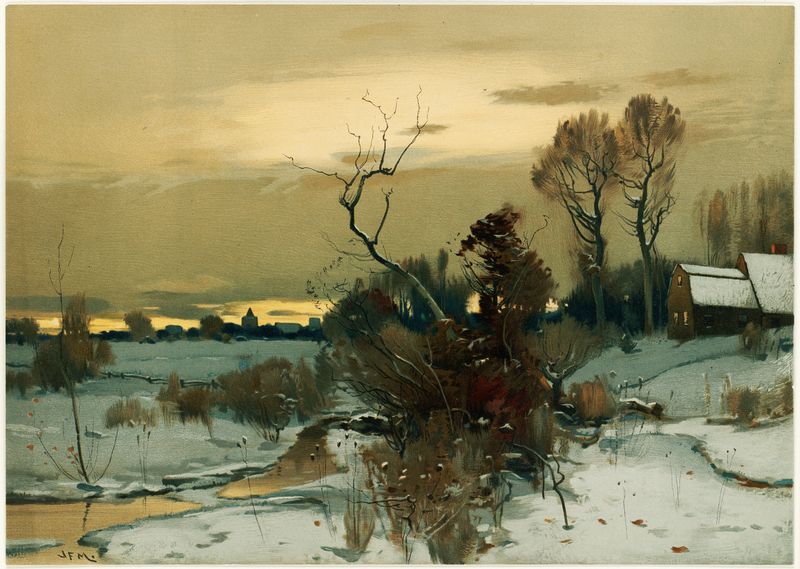
Winter landscape
John Francis Murphy

The Road Home
John Francis Murphy

Indian Summer
John Francis Murphy
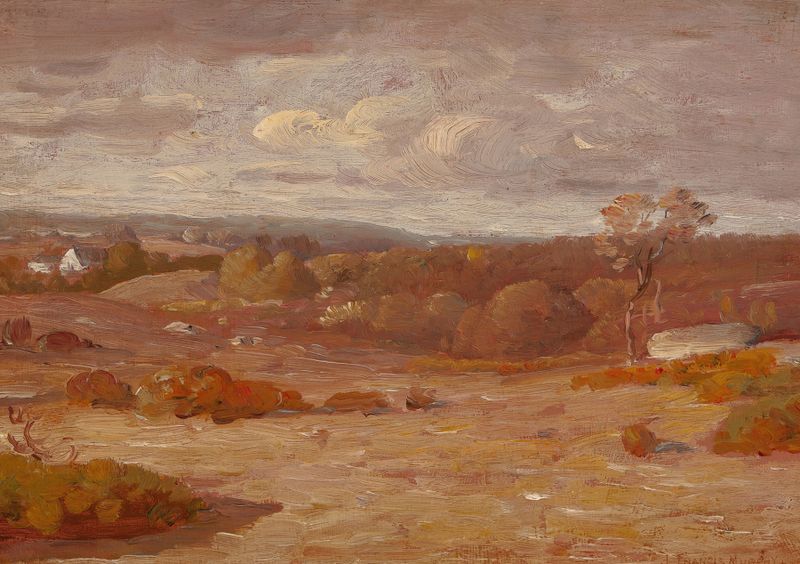
Early Autumn, New York
John Francis Murphy
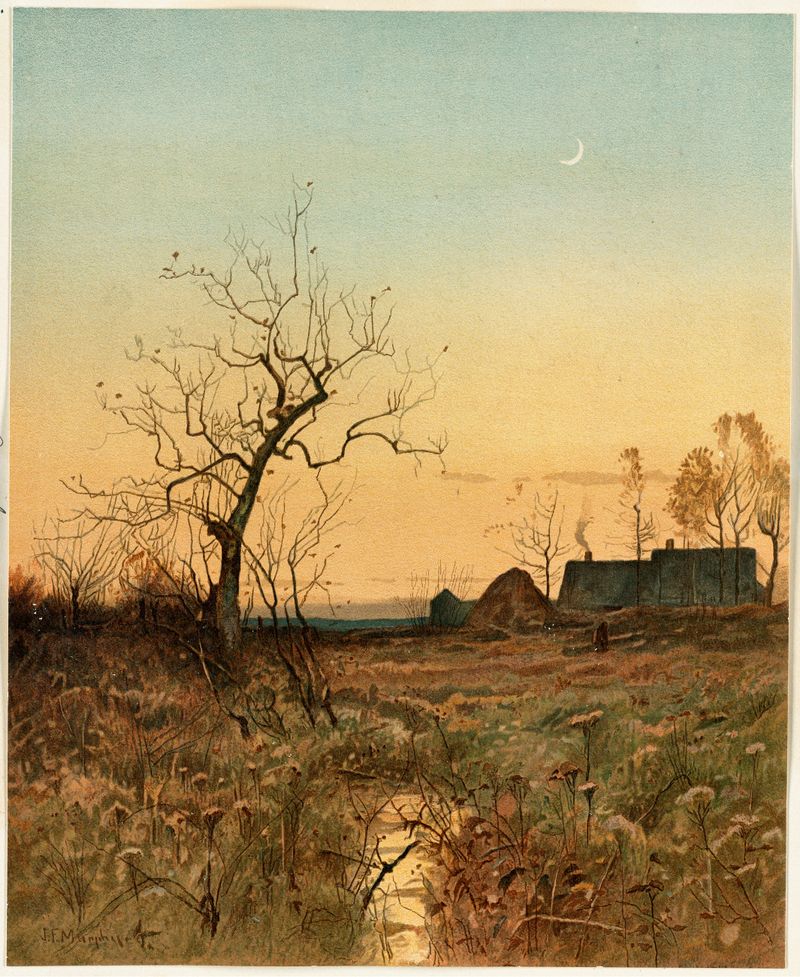
November
John Francis Murphy

Small Landscape
John Francis Murphy
Landscape
John Francis Murphy

The Meadow
John Francis Murphy





