
Nest of Winter — History & Facts
In a realm where illusion converges with reality, the artist invites us to explore the depths of perception and existence. Look closely at the center of the canvas, where the nest emerges, meticulously crafted with delicate details that captivate the eye. The intertwining branches cradle soft, muted hues, their earthy tones creating a warm embrace against the cooler colors that surround them. Notice how shadows dance, forming an ethereal backdrop that both conceals and reveals—an interplay of light that enhances the nest's fragile beauty.
The texture captures a moment suspended in time, inviting viewers to trace the boundaries between the tangible and the illusory. Within this seemingly serene composition lies a profound tension. The nest symbolizes both safety and vulnerability, a paradox that resonates deeply with the human experience. The juxtaposition of the nest’s comforting curves against the starkness of winter evokes a longing for warmth amidst desolation.
Each brushstroke whispers of the fragility of life, while the soft interplay of colors hints at the bittersweet passage of time—a reminder that even in stillness, change is inevitable. In 1907, Stanisław Witkiewicz painted this work during a period of artistic exploration in Poland, as the world of art was shifting towards modernism. Witkiewicz, known for his innovation, was immersed in the evolving cultural landscape, grappling with the tensions of identity and expression. This piece reflects both personal introspection and a broader commentary on the human condition, bridging the divide between reality and illusion in a world increasingly defined by change.
More Artworks by Stanisław Witkiewicz
Browse all →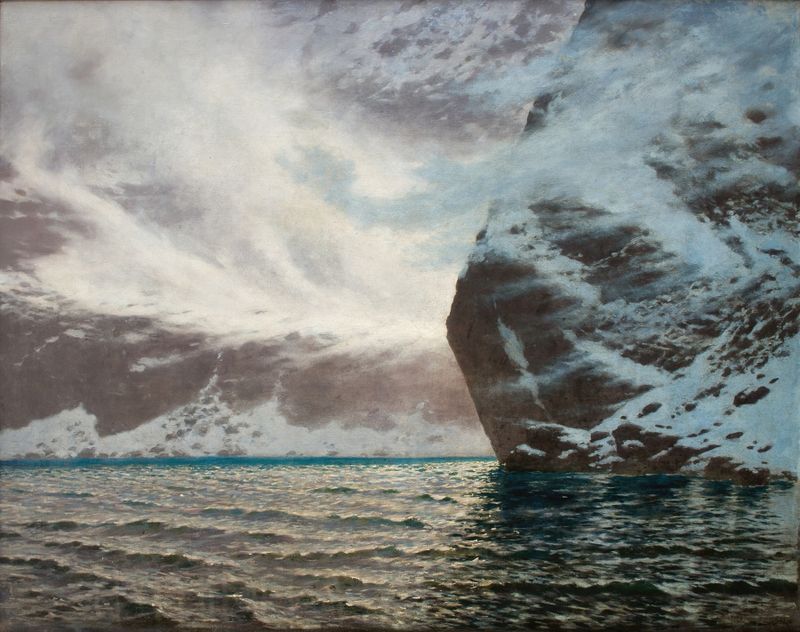
Czarny Staw (The Blake Lake) – Blizzard
Stanisław Witkiewicz

Baltic Sea near Palanga
Stanisław Witkiewicz
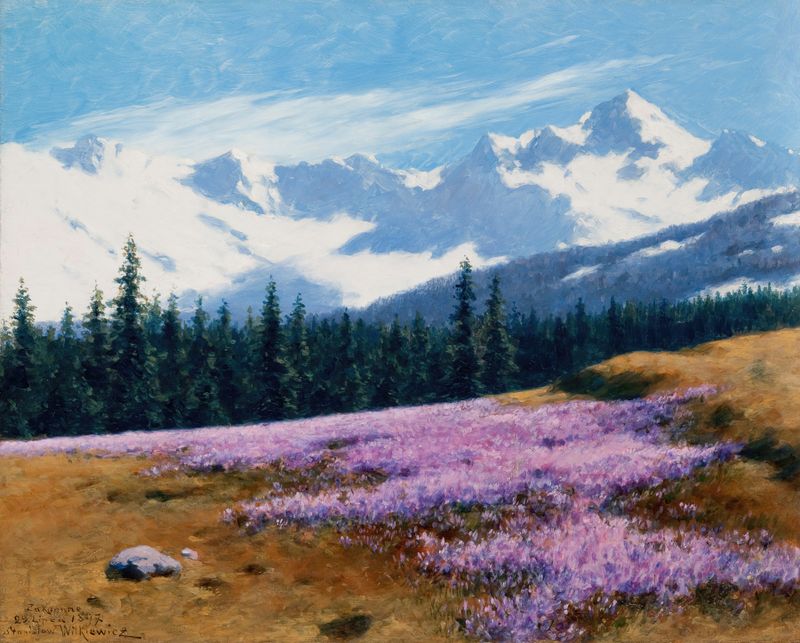
Crocuses with Snowy Mountains Behind
Stanisław Witkiewicz

Spring Mist
Stanisław Witkiewicz

Foehn Wind
Stanisław Witkiewicz
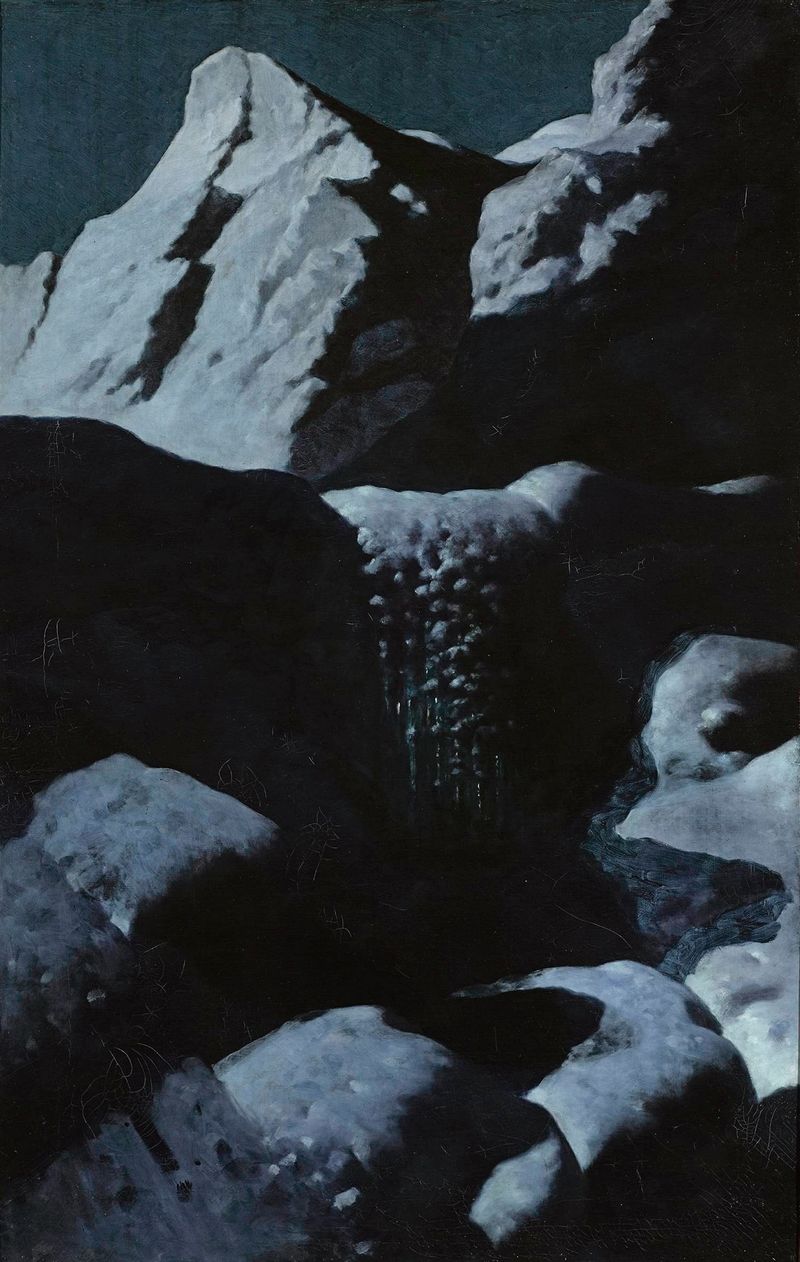
Winter landscape from the Tatra Mountains
Stanisław Witkiewicz
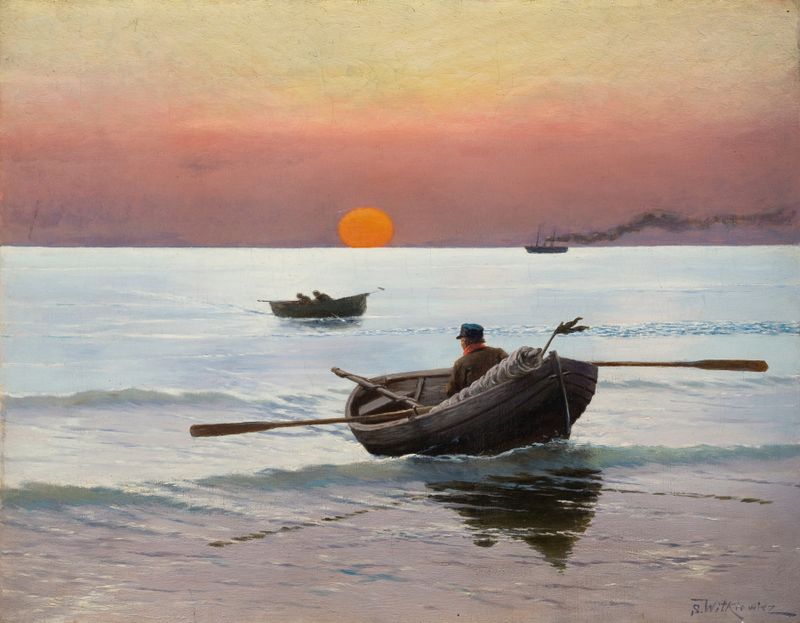
Sunset on the Sea
Stanisław Witkiewicz

Autumn Pasturage
Stanisław Witkiewicz
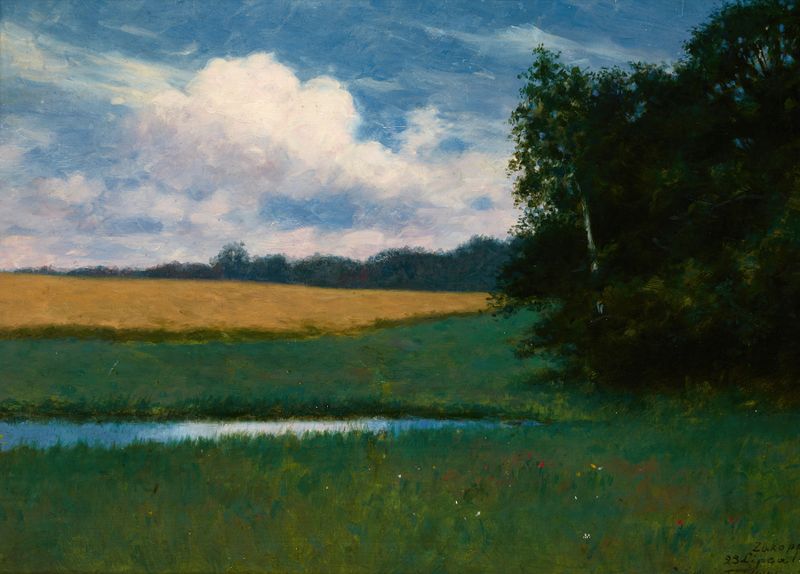
Dusk
Stanisław Witkiewicz
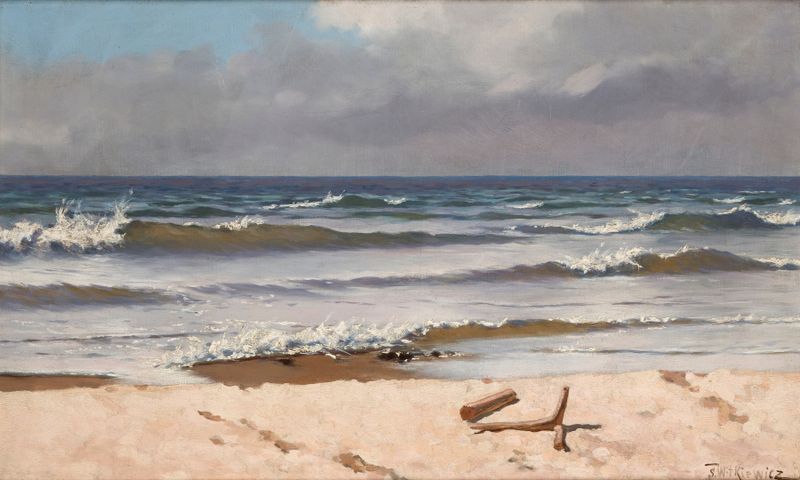
Coast at Połąga
Stanisław Witkiewicz





