
Newark, upon Trent — History & Facts
In the quiet decay of forgotten landscapes, where time entwines with memory, beauty lingers even in deterioration. Look to the foreground, where the gentle ripples of the river beckon the eye, reflecting the soft hues of a fading day. Notice how the droplets dance upon the water's surface, inviting contemplation. The brushstrokes are fluid yet deliberate, capturing the ephemeral essence of twilight.
Turner employs a muted palette, blending ochres and blues that convey both serenity and melancholy, hinting at the passage of time. In this piece, a profound tension exists between the natural beauty and the encroachment of decay. The decaying structures along the riverbank, glimpsed in the distance, symbolize the inevitable process of aging and loss. The horizon blurs, suggesting a world caught between clarity and obscurity, further emphasizing the transient nature of life.
Every detail, from the fading light to the crumbling edifice, echoes the artist’s meditation on mortality and the beauty found within it. In 1796, when this work was created, Turner was establishing his reputation as a master of light and atmosphere within the British landscape tradition. He resided in London, navigating a tumultuous period in art that favored realism yet allowed for the emotional exploration of environments. Amidst the clashes of artistic ideals, this painting serves as a poignant reflection on the cycle of life and the impermanence of all things.
More Artworks by Joseph Mallord William Turner
Browse all →
Dort or Dordrecht- The Dort Packet-Boat from Rotterdam Becalmed
Joseph Mallord William Turner
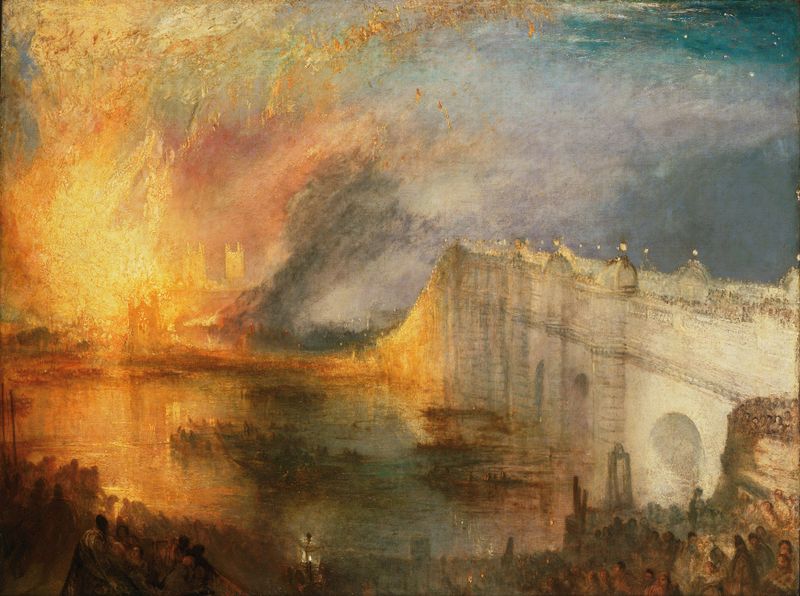
The Burning of the Houses of Lords and Commons, October 16, 1834
Joseph Mallord William Turner
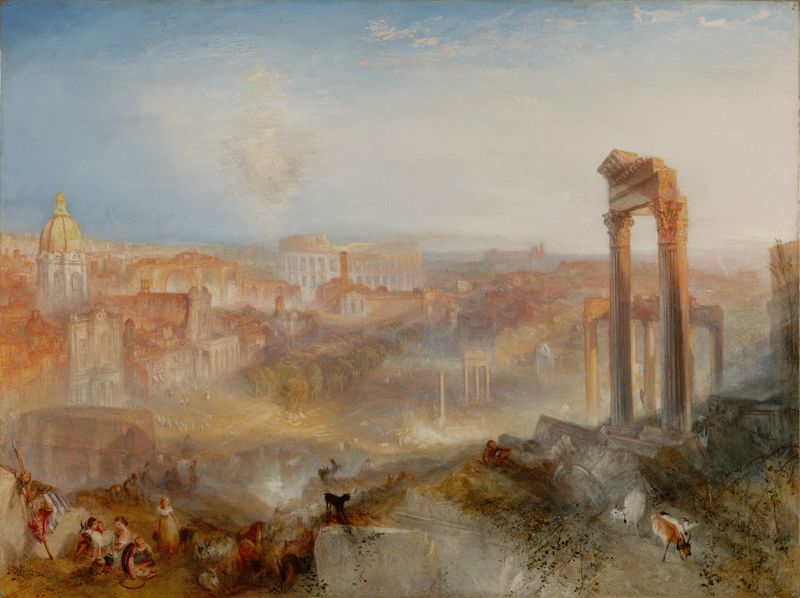
Modern Rome – Campo Vaccino
Joseph Mallord William Turner
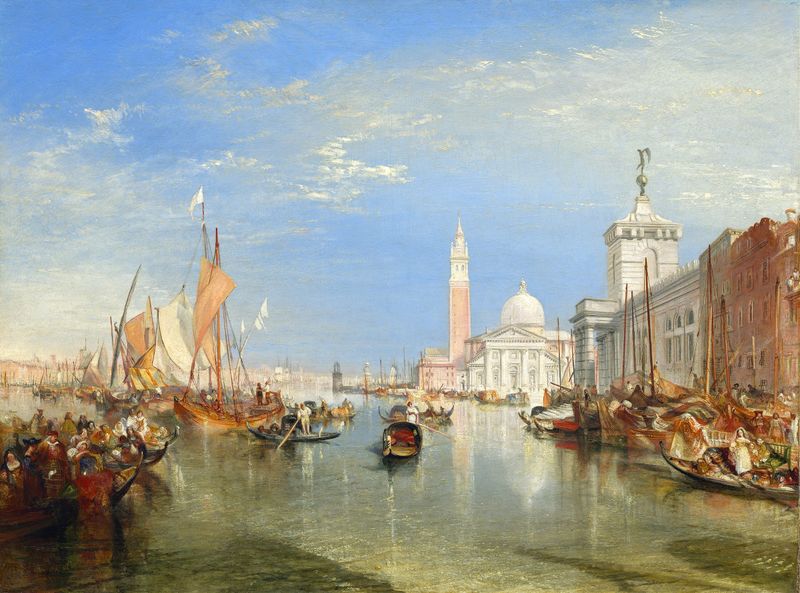
Venice – The Dogana and San Giorgio Maggiore
Joseph Mallord William Turner

The Burning of the Houses of Lords and Commons, 16 October 1834
Joseph Mallord William Turner
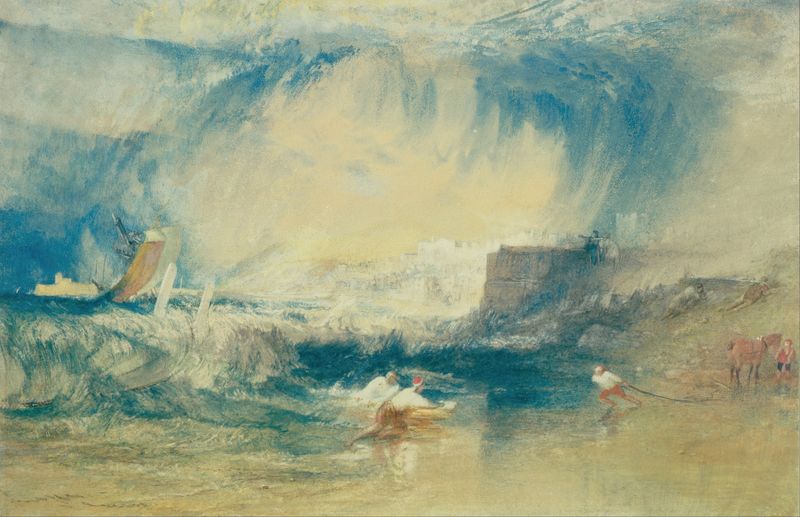
Lyme Regis, Dorsetshire, England
Joseph Mallord William Turner
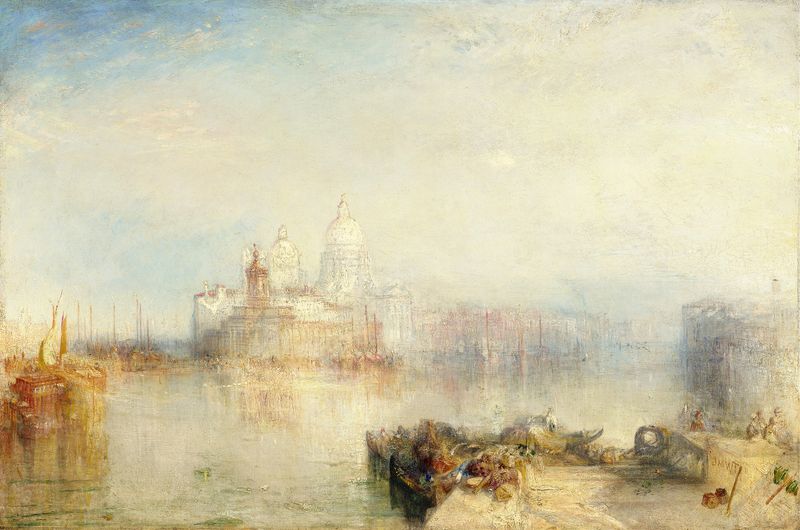
The Dogana and Santa Maria della Salute, Venice
Joseph Mallord William Turner
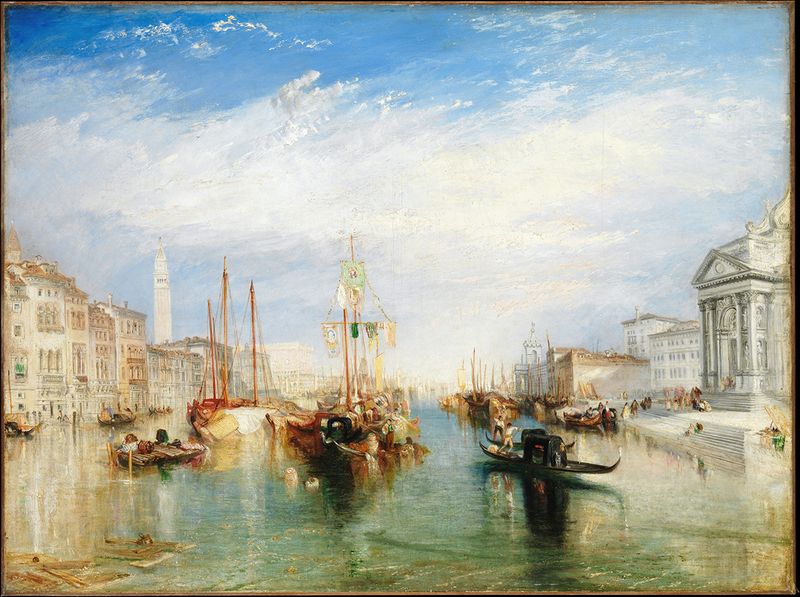
Venice, from the Porch of Madonna della Salute
Joseph Mallord William Turner
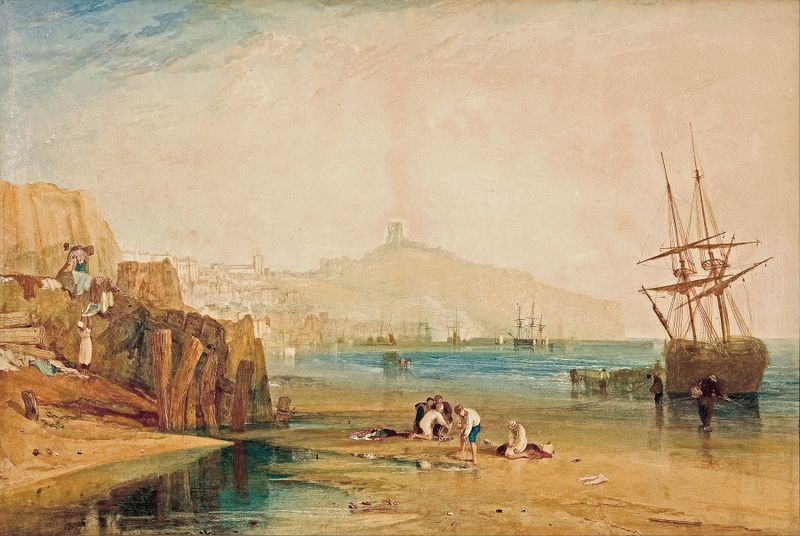
Scarborough town and castle; morning; boys catching crabs
Joseph Mallord William Turner
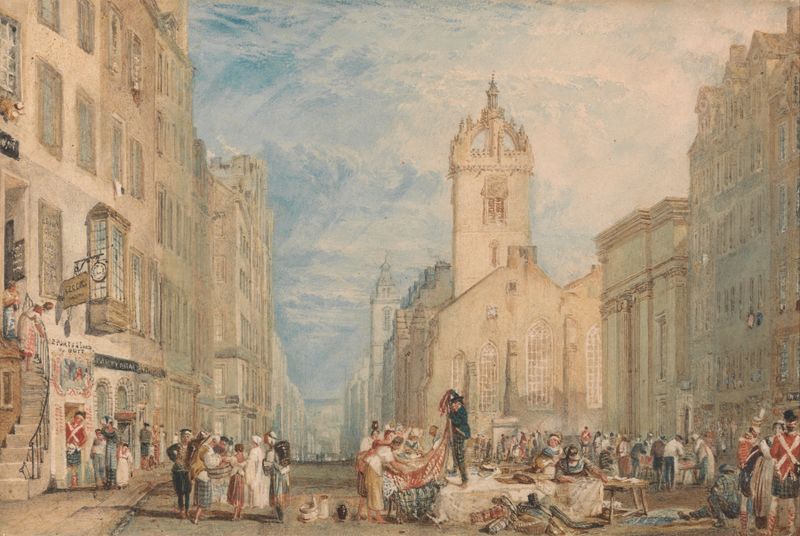
High Street, Edinburgh
Joseph Mallord William Turner





