
Newcastle Cathedral — History & Facts
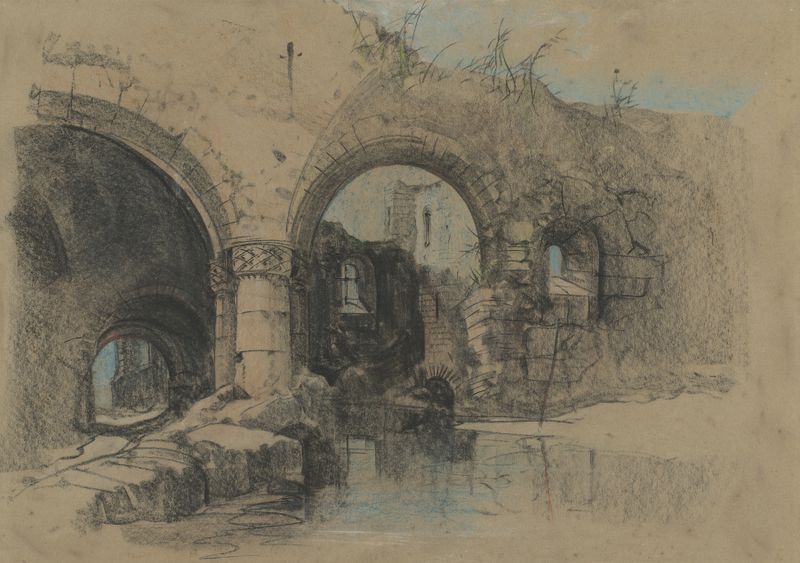
Such magic resides in the realm of loss, reminding us that beauty can be born from the aching void. Focus on the intricate details of the stonework, where the shadows dance playfully against the cathedral’s façade. Notice how light filters through the towering arches, illuminating the deep recesses with a warmth that contrasts the chill of the surrounding gloom. The color palette, with its rich browns and muted grays, evokes a sense of history – a testament to the lives that have passed through these hallowed walls. Beneath the surface, this piece invites reflection on the transience of existence.
The cathedral, a symbol of permanence, is juxtaposed with the ephemeral nature of human experience. Each weathered stone tells a story of grief and resilience, reminding us of the countless prayers and sorrows whispered within its confines. The solemnity of the structure, captured in delicate brushstrokes, speaks of both loss and grace intertwined, creating a haunting portrait of memory. During the time this piece was created, Bright was deeply immersed in the artistic movements of the late 19th century, characterized by a growing interest in capturing the nuances of architecture and landscape.
His works were often painted in the industrial towns of Northern England, where the remnants of an ancient past met the encroaching tides of modernity. This juxtaposition defined his exploration of identity, community, and the lingering traces of loss within the passage of time.
More Artworks by Henry Bright
Browse all →
More Architecture Art
Browse all →
The statue of Liberty
Frédéric Auguste Bartholdi

View of Houses in Delft, Known as ‘The Little Street’
Johannes Vermeer

View of Houses in Delft, Known as ‘The Little Street’
Johannes Vermeer

The Cathedral in Rouen. The portal, Grey Weather
Claude Monet

The yellow house
Vincent van Gogh

The Church in Auvers-sur-Oise, View from the Chevet
Vincent van Gogh