
Newport Scene — History & Facts
Is this a mirror — or a memory? The gentle waves lap at the shore, barely disturbing the placid surface of the water, as distant figures drift in and out of view, evoking both tranquility and nostalgia. The scene feels suspended in time, inviting the viewer to linger in the delicate balance between what is real and what is recalled. Focus on the luminous light as it spills across the canvas, bathing the scene in a soft, golden hue. Notice how the artist skillfully layers rich blues and greens in the water, contrasting with the warm tones of the sandy beach.
The composition draws the eye toward the horizon, where the sea meets the sky, creating a sense of infinite possibility. Each brushstroke reveals Bannister’s commitment to capturing not just the physical location but the emotional resonance of this peaceful moment. Delve deeper into the painting's subtleties, where reflections dance upon the water’s surface, mirroring not only the landscape but also the inner thoughts of its beholders. The figures are partially obscured, suggesting a fleeting presence that speaks to the transient nature of memory itself.
This atmosphere of gentle contemplation hints at a longing for connection, bridging the gap between past experiences and present realities. In the late 1880s, Edward Mitchell Bannister worked in Newport, Rhode Island, during a period of great personal and artistic growth. His exploration of light and color was influenced by the American Impressionist movement, as he sought to convey both the beauty of nature and the complexities of human emotion. At this time, he faced both racial discrimination and recognition, establishing himself as a significant figure in American art history.
More Artworks by Edward Mitchell Bannister
Browse all →
Landscape
Edward Mitchell Bannister
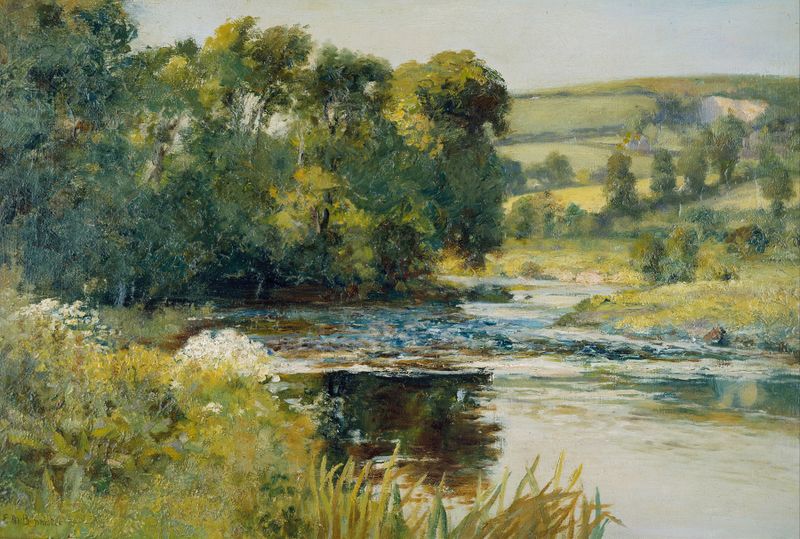
Streamside
Edward Mitchell Bannister

Untitled
Edward Mitchell Bannister

On the Seekonk
Edward Mitchell Bannister

Morning on the Shore
Edward Mitchell Bannister

Summer Twilight
Edward Mitchell Bannister
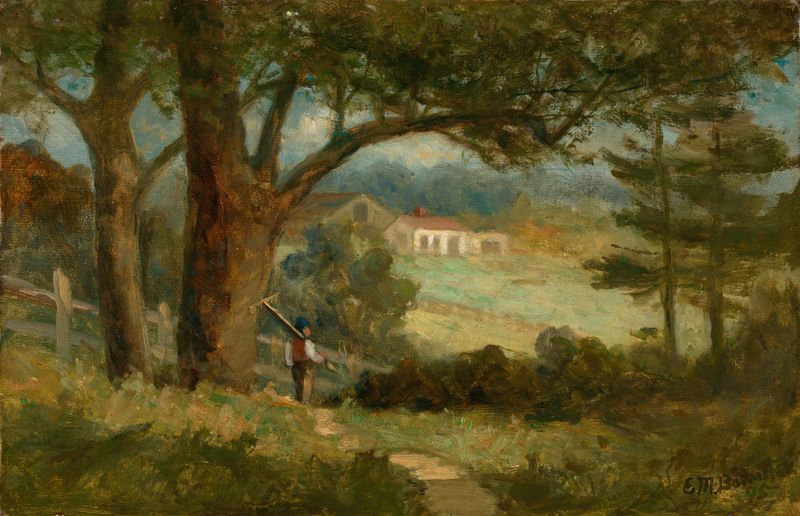
Homeward
Edward Mitchell Bannister
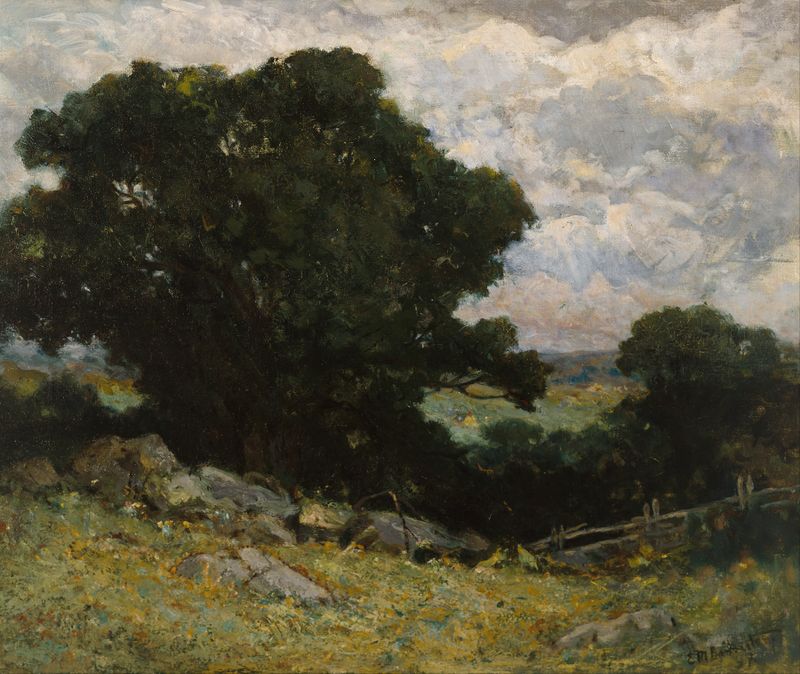
Landscape
Edward Mitchell Bannister
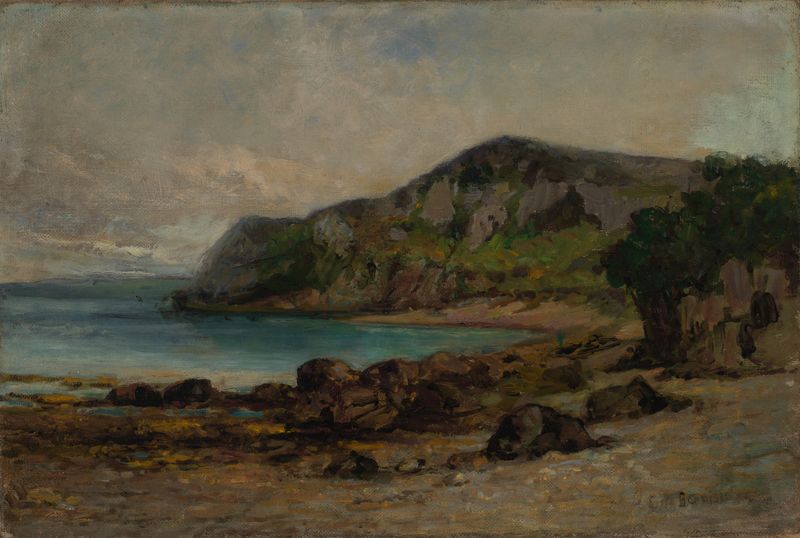
Rocks at Newport
Edward Mitchell Bannister

Sunset
Edward Mitchell Bannister





