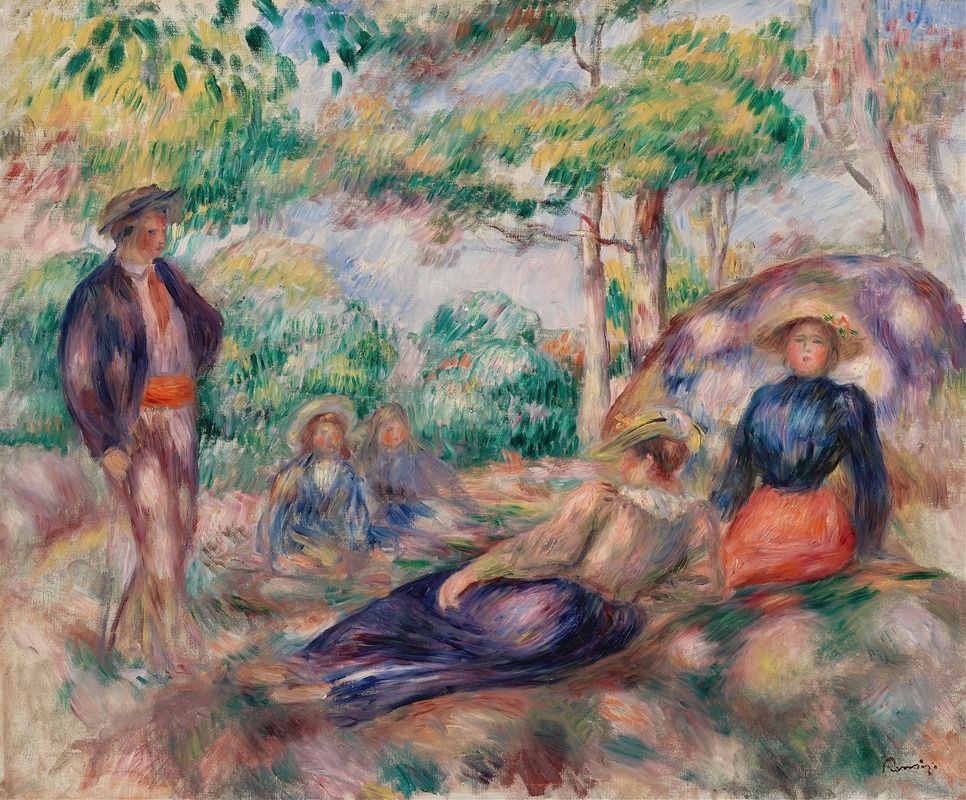
Discover insights about this artwork
Ni mas ni menos. (Neither more nor less.) — History & Facts
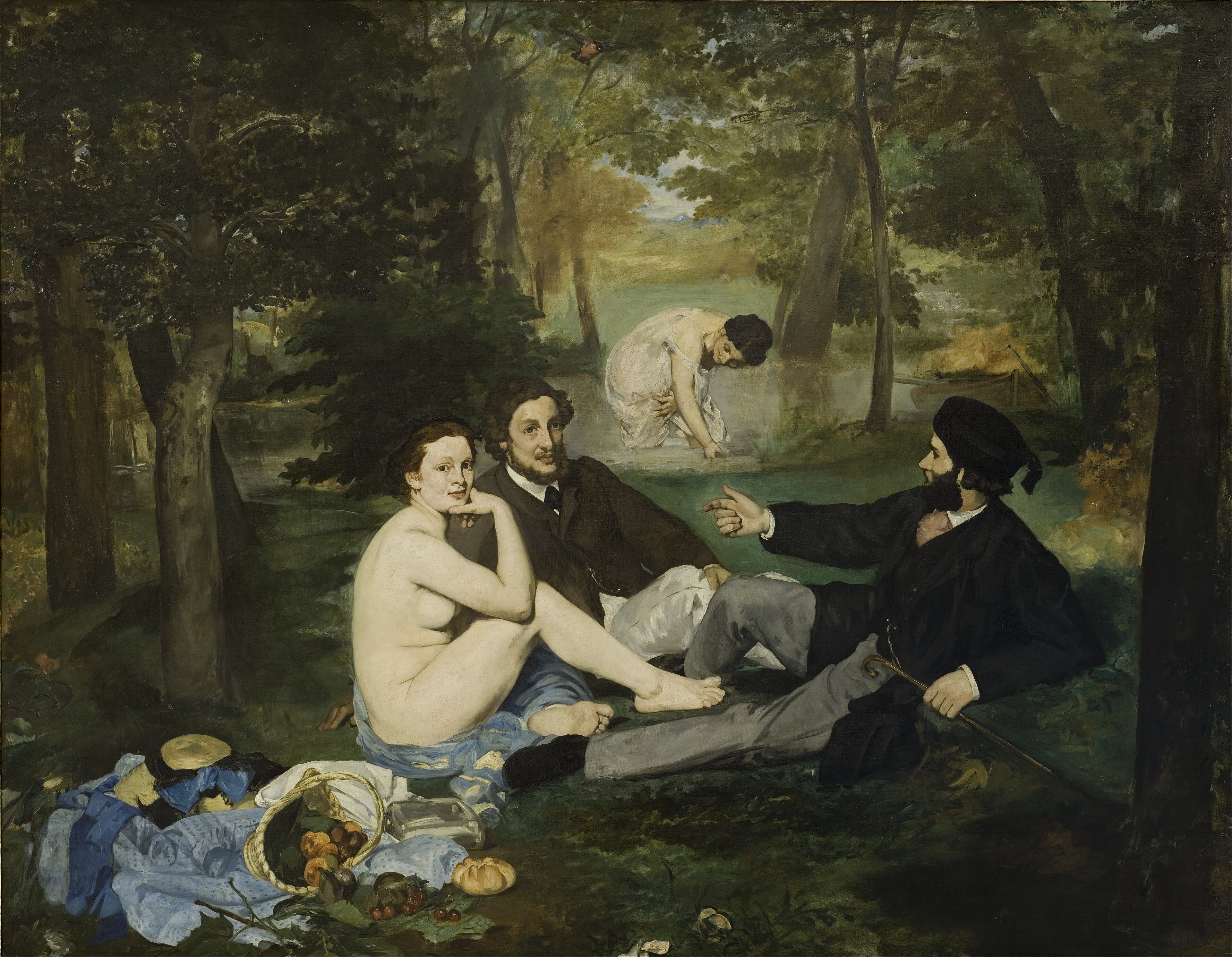
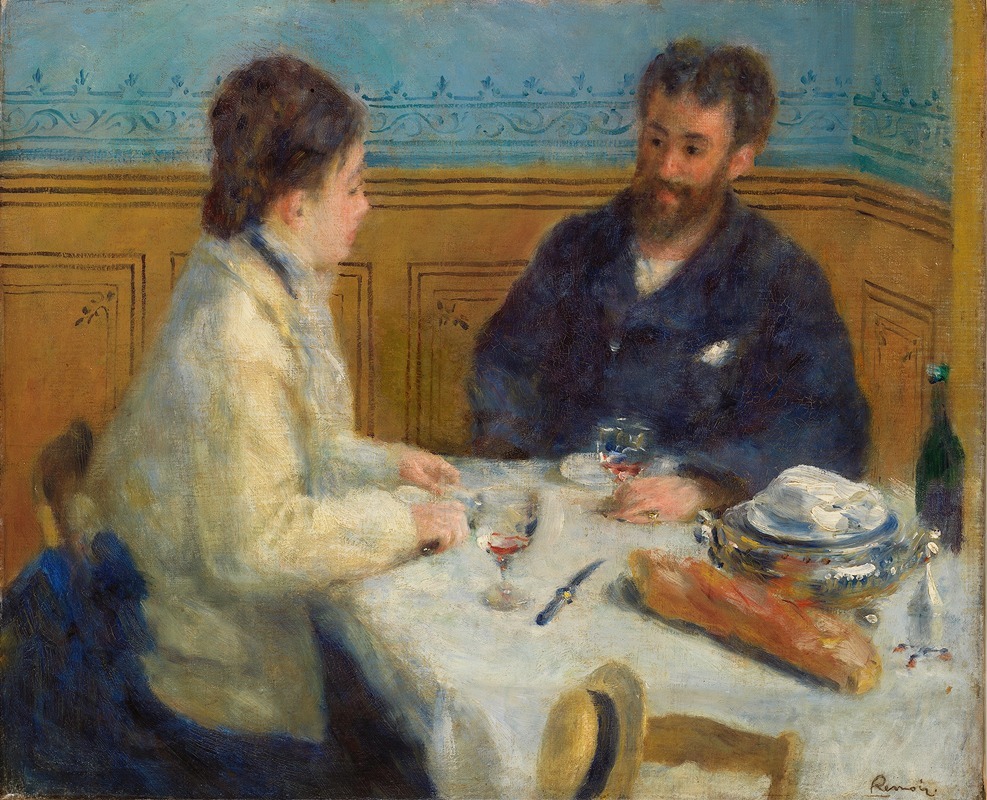
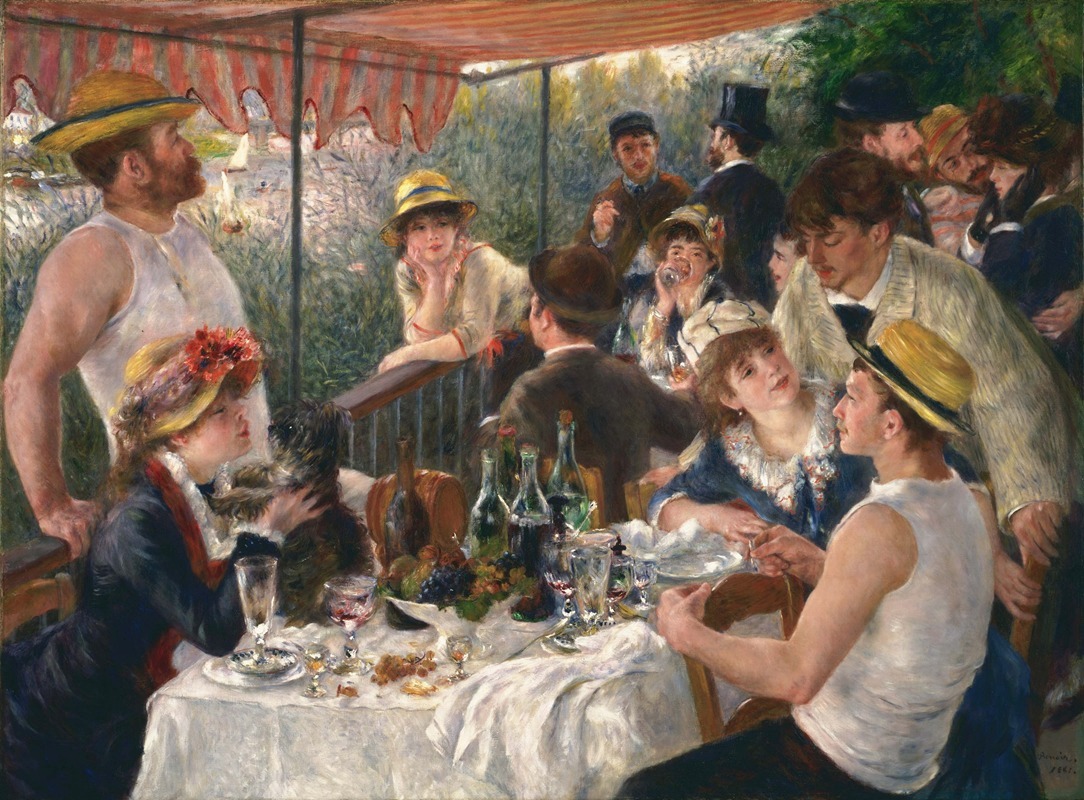
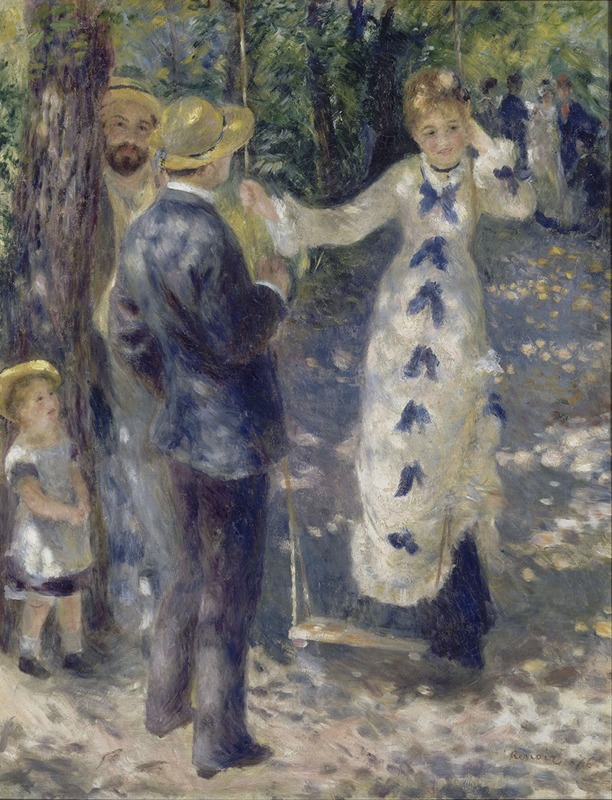
In Ni mas ni menos, Francisco de Goya presents a vivid scene filled with rich colors and dynamic figures. The painting features a group of people engaged in lively conversation, set against a backdrop of a warm, inviting landscape. Goya uses a palette of earthy tones, punctuated by brighter colors that draw the viewer's eye to the central figures.
The composition feels balanced yet energetic, capturing a moment of social interaction. The painting is executed in oil on canvas, a medium that allows for the depth and richness of color that Goya is known for. Viewers can observe the detailed brushwork and the way light interacts with the figures and surroundings. Goya's technique emphasizes the textures of clothing and the natural elements in the background.
This attention to detail enhances the overall realism of the scene. Francisco de Goya was a pivotal figure in Spanish art, bridging the gap between the Old Masters and modern art. 'Ni mas ni menos' reflects his interest in the everyday lives of people, showcasing his ability to capture human emotion and social commentary. An interesting fact about this work is that it exemplifies Goya's shift towards more personal and intimate themes, moving away from the grand historical subjects of his earlier career.
More Artworks by Francisco de Goya
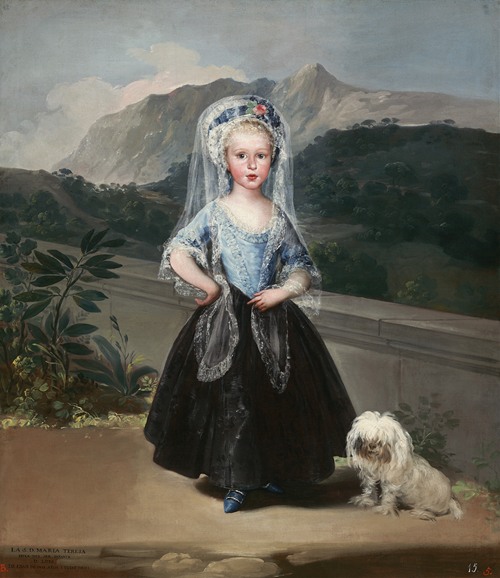
María Teresa de Borbón y Vallabriga,later Condesa de Chinchón
Francisco de Goya
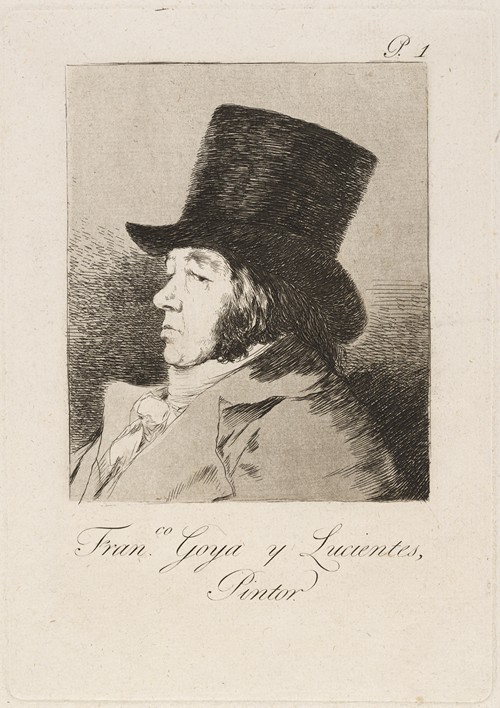
Francisco Goya y Lucientes, Pintor (Francisco Goya y Lucientes, painter)
Francisco de Goya
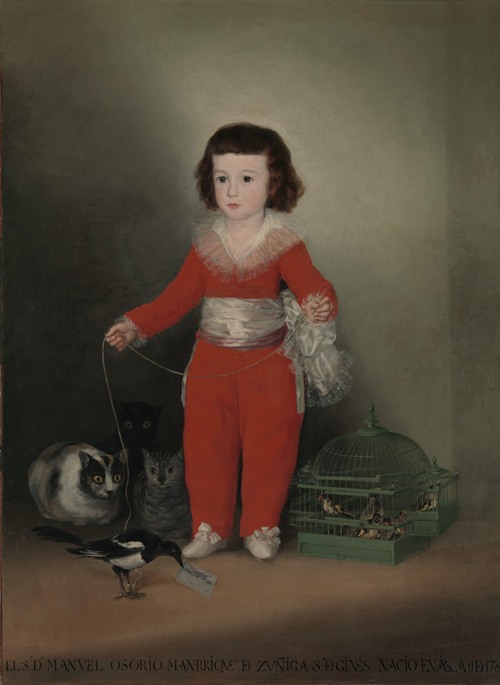
Manuel Osorio Manrique de Zuñiga (1784–1792)
Francisco de Goya
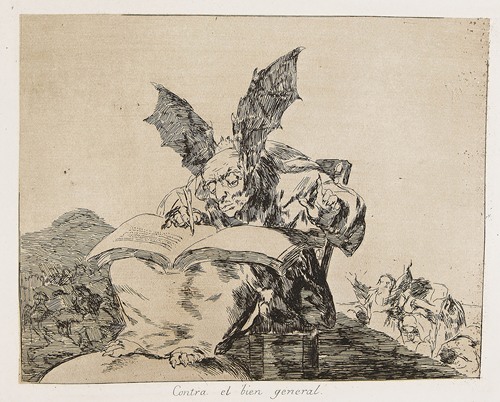
Los desastres de la guerra
Francisco de Goya
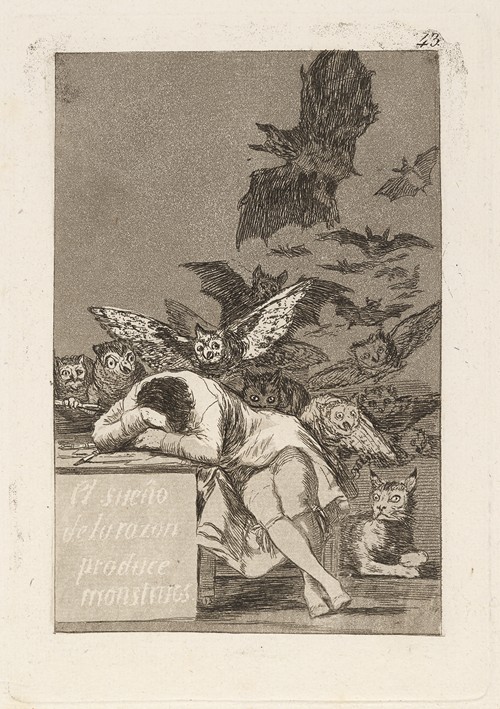
El sueño de la razon produce monstruos. (The sleep of reason produces monsters.)
Francisco de Goya
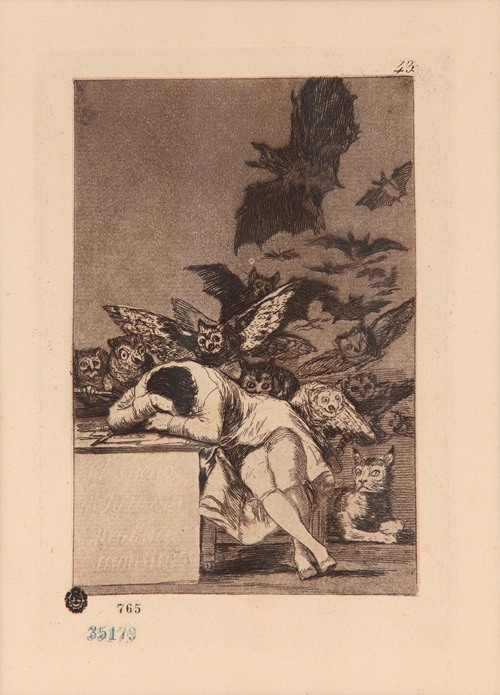
El sueño de la razon produce moustruos (Serie Caprichos)
Francisco de Goya
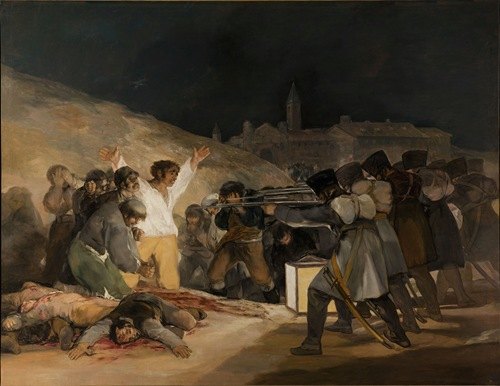
The Third of May
Francisco de Goya
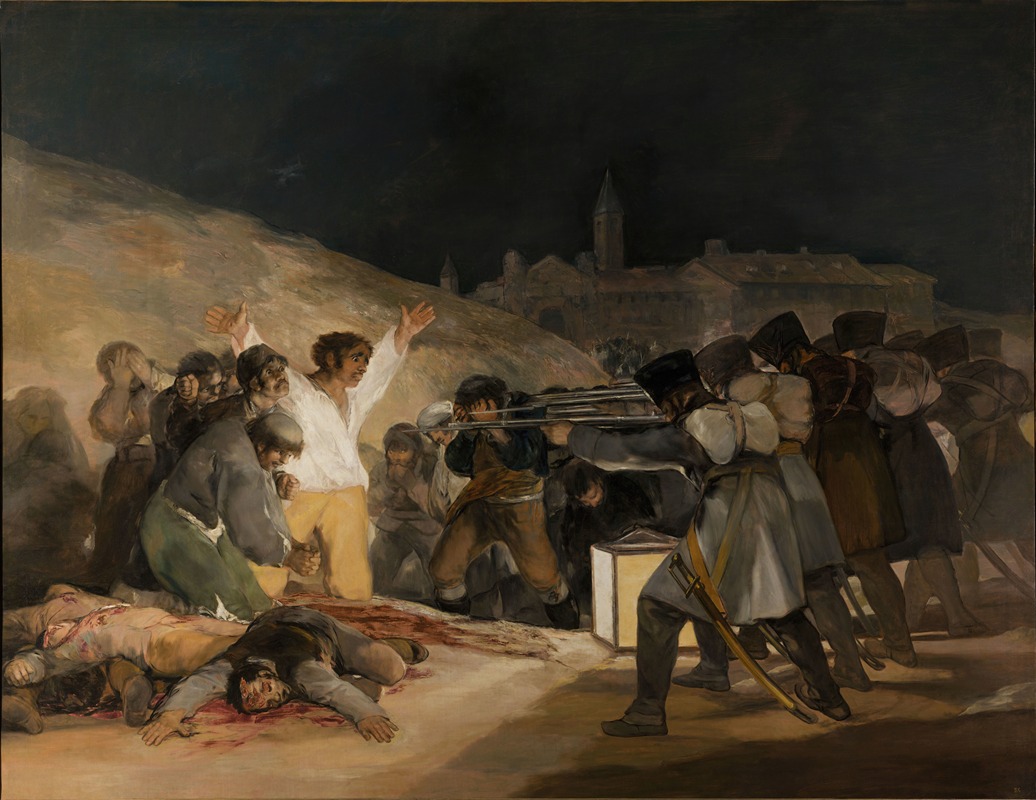
The Third of May 1808
Francisco de Goya
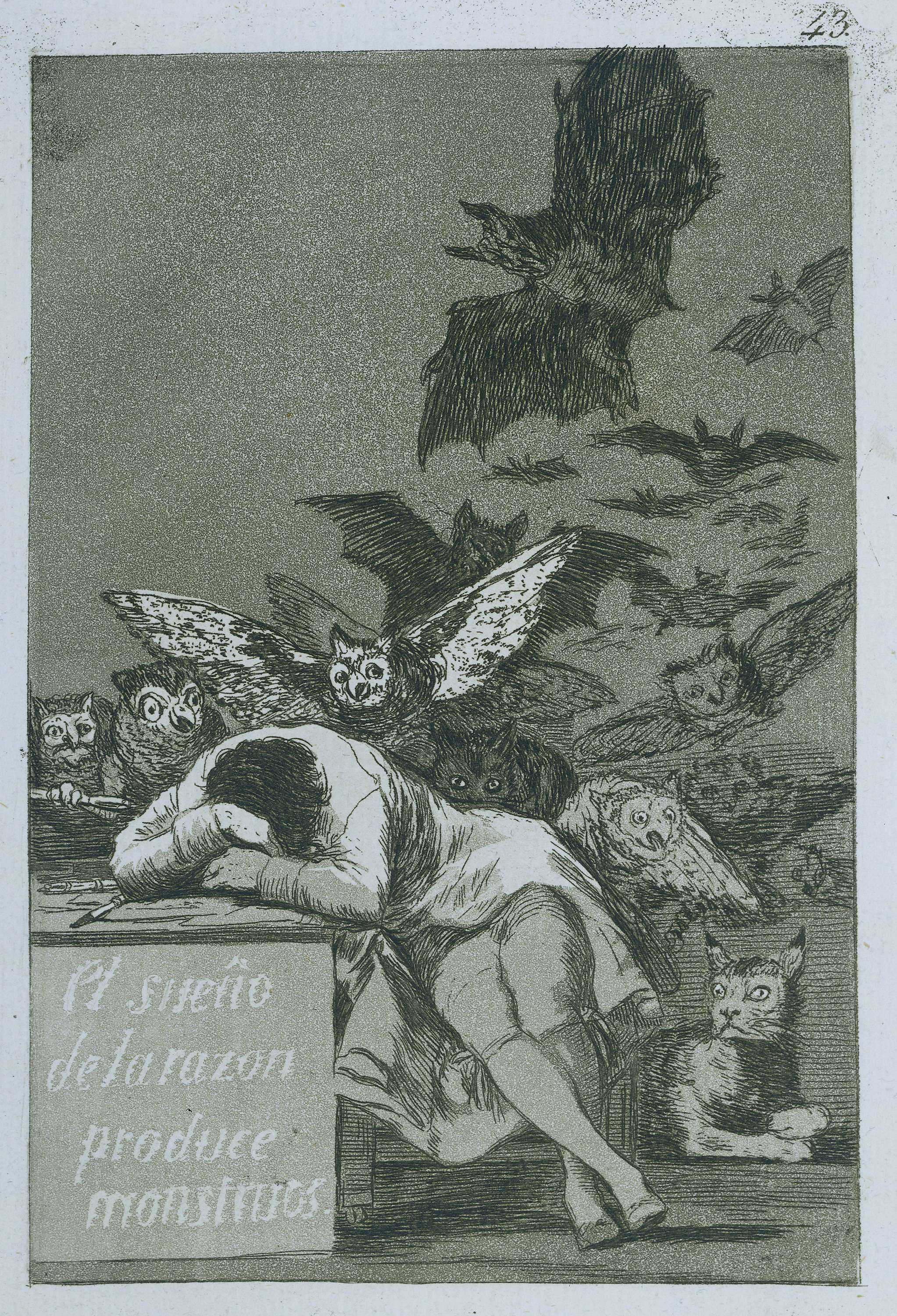
De slaap van de rede brengt monsters voort
Francisco de Goya
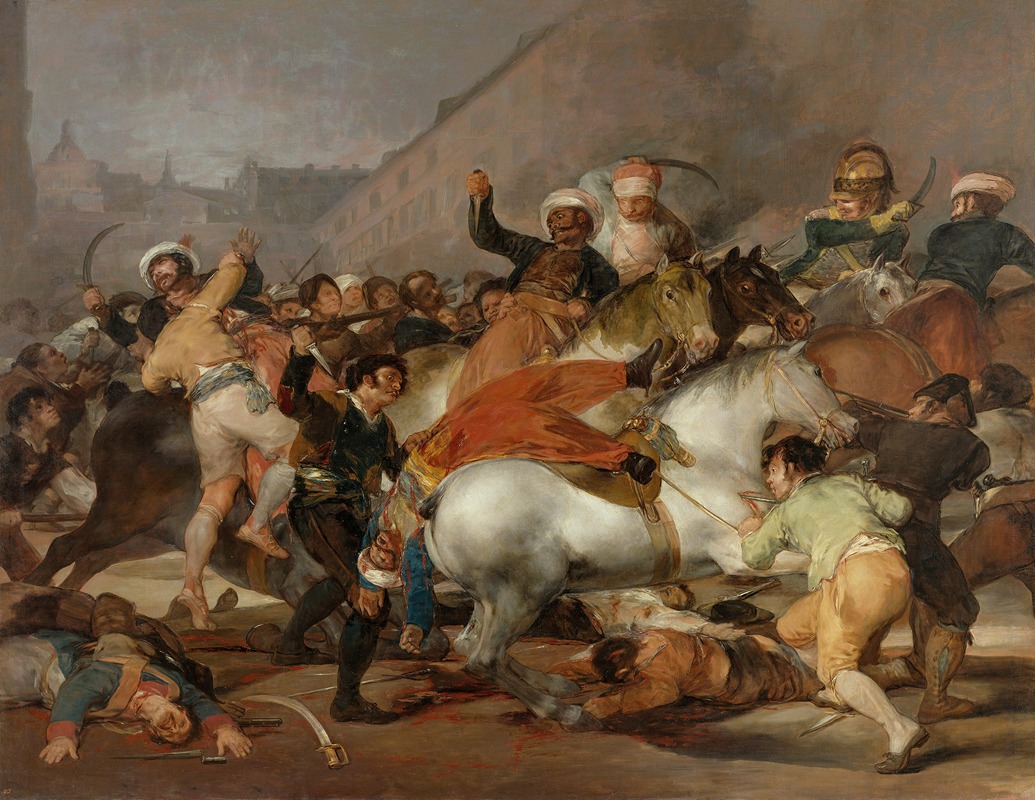
The Charge of the Mamelukes (1814)
Francisco de Goya