
Nihonbashi, Porters, etc. on Bridge (summer scene) — History & Facts
Could a single brushstroke hold eternity? In the delicate interplay of color and form, mortality dances with the fleeting moments of life, captured forever on a canvas. Look to the center, where the bridge arcs gracefully across the composition, its subtle curve inviting the eye to wander. Notice how the vibrant hues of summer—soft greens, deep blues, and warm earth tones—merge harmoniously, echoing the bustling life of the porters. Their hurried movements, rendered with skillful strokes, contrast against the serene backdrop of distant hills and a tranquil sky, evoking the rhythm of daily existence in 19th-century Japan. Within this lively scene lies a meditation on time and transience.
The porters, bent under the weight of their burdens, symbolize the labor and struggle inherent in life, while the ephemeral nature of the cherry blossoms in the foreground hints at the beauty of moments that cannot last. Each element, from the flowing water beneath the bridge to the distant figures, tells a story of connection, bridging the past and present, as if reminding us of life's impermanence and the singularity of each experience. In the 19th century, Utagawa Hiroshige was redefining ukiyo-e landscape art in Edo, Japan. As he created *Nihonbashi, Porters, etc.
on Bridge*, he was deeply influenced by the changing dynamics of urban life and nature, capturing the essence of a moment in time amid societal transformation. This period marked a significant evolution in Japanese art, intertwining traditional themes with a modern sensibility, and Hiroshige’s work continues to resonate with viewers today.
More Artworks by Utagawa Hiroshige
Browse all →
Sudden Shower over Shin Ohashi Bridge and Atake (Ohashi Atake no yudachi), from the series "One Hundred Famous Views of Edo (Meisho Edo hyakkei)"
Utagawa Hiroshige
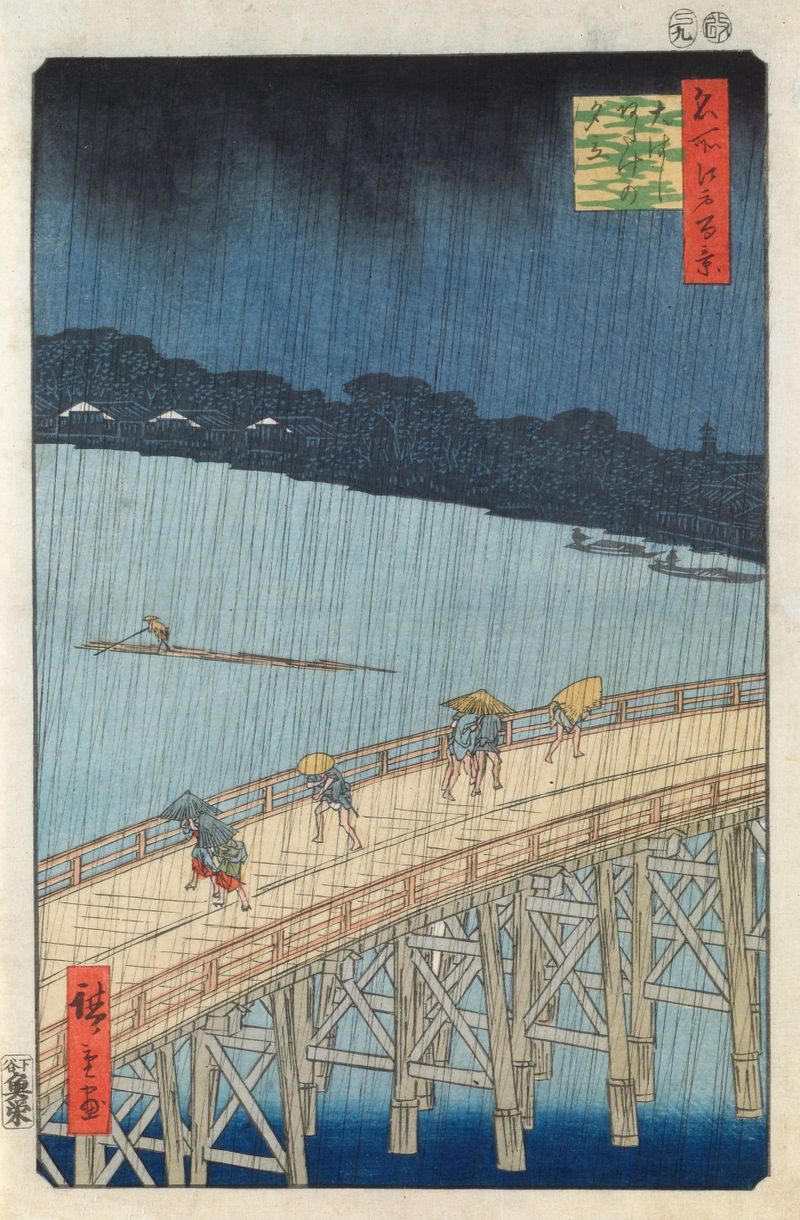
Sudden Shower Over Ohashi Bridge and Atake
Utagawa Hiroshige
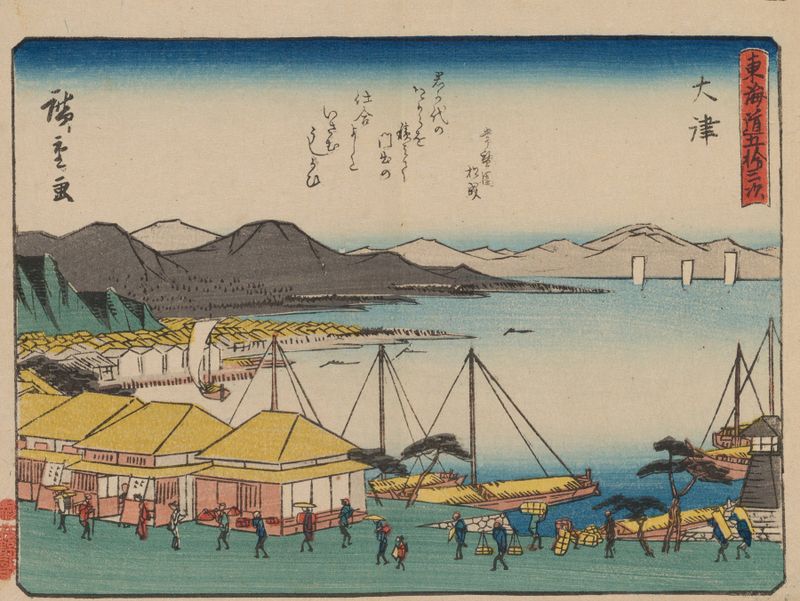
Tokaido gojusantsugi, Pl.54
Utagawa Hiroshige
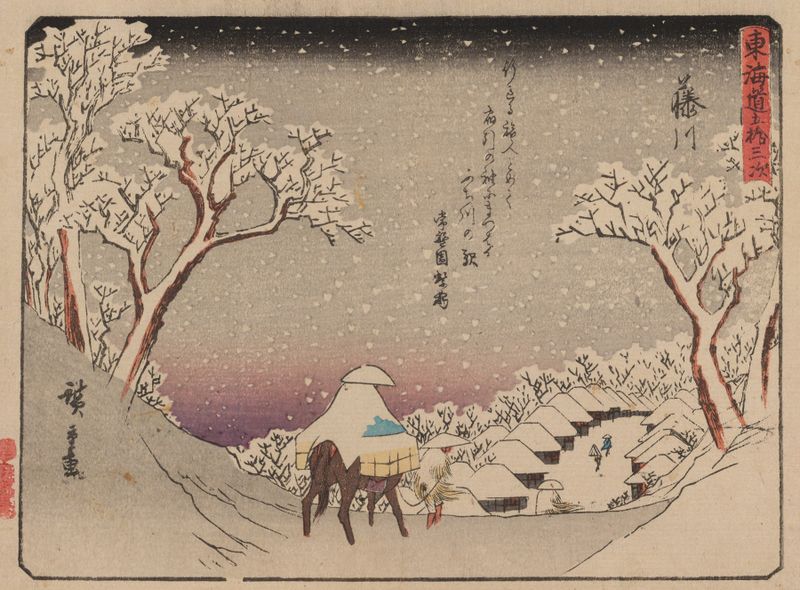
Tokaido gojusantsugi, Pl.38
Utagawa Hiroshige
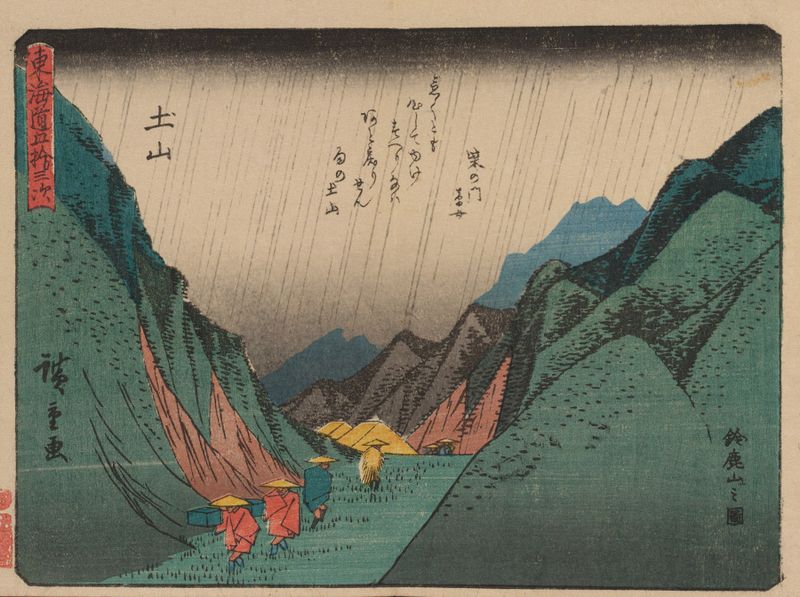
Tokaido gojusantsugi, Pl.50
Utagawa Hiroshige
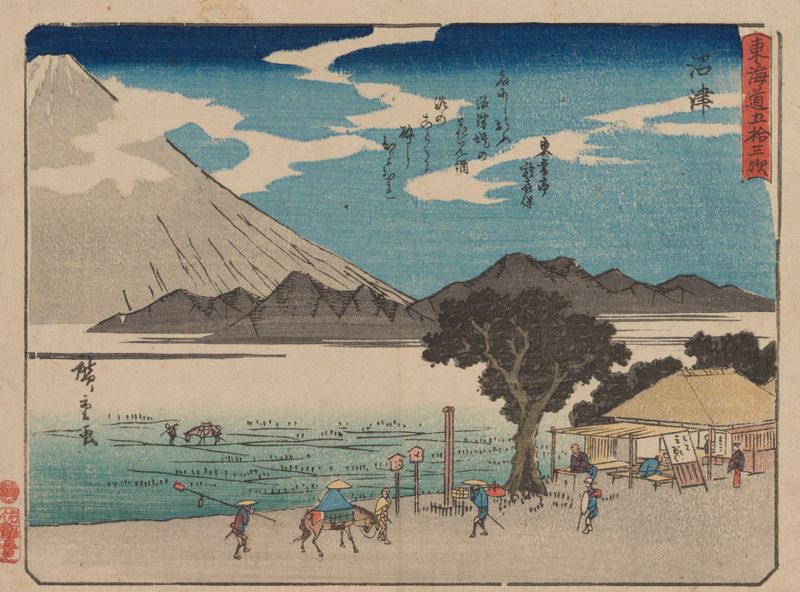
Tokaido gojusantsugi, Pl.13
Utagawa Hiroshige
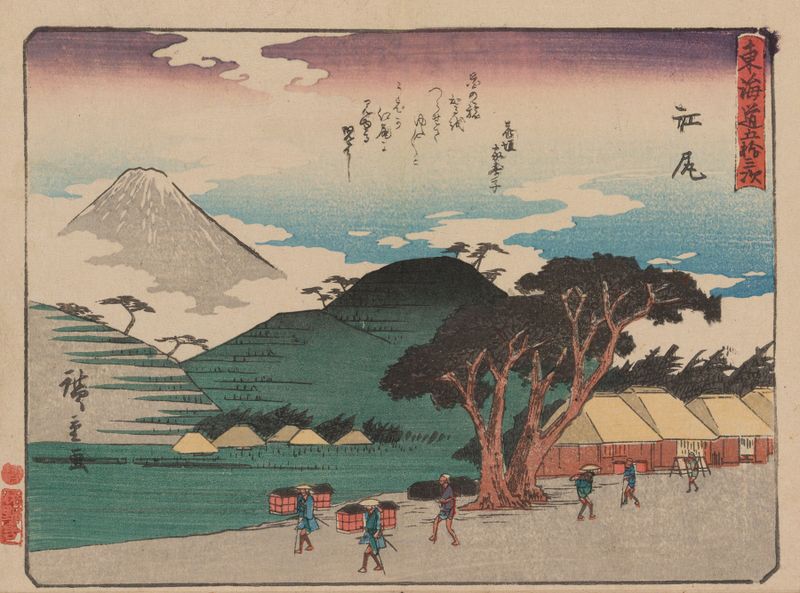
Tokaido gojusantsugi, Pl.19
Utagawa Hiroshige
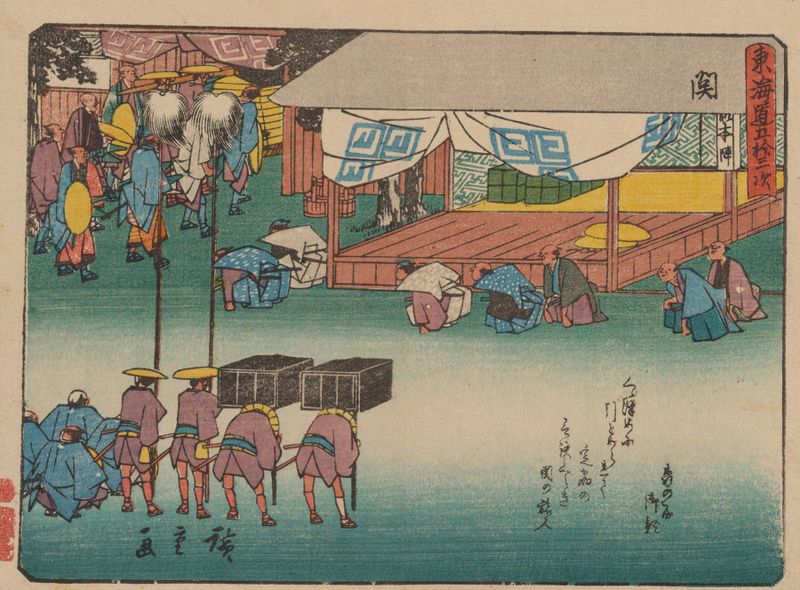
Tokaido gojusantsugi, Pl.48
Utagawa Hiroshige
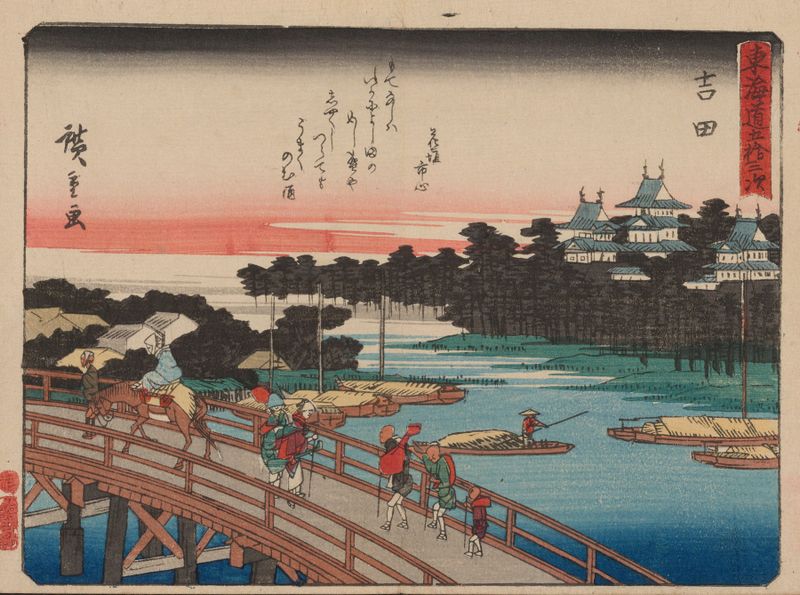
Tokaido gojusantsugi, Pl.35
Utagawa Hiroshige
Tokaido gojusantsugi, Pl.49
Utagawa Hiroshige





