No. 309 — History & Facts
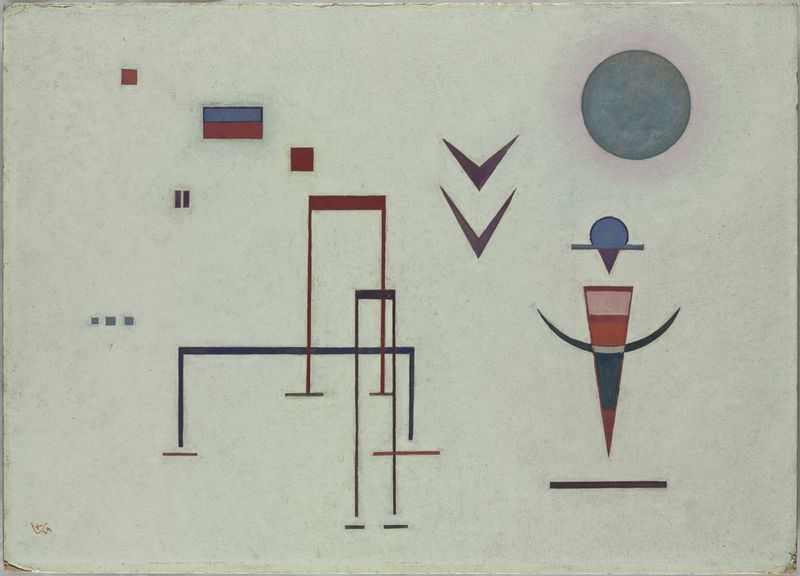
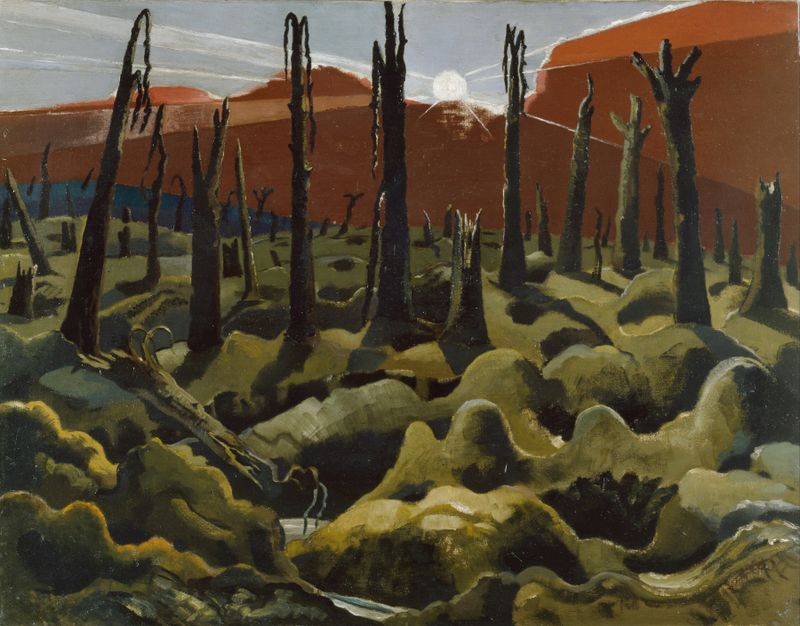
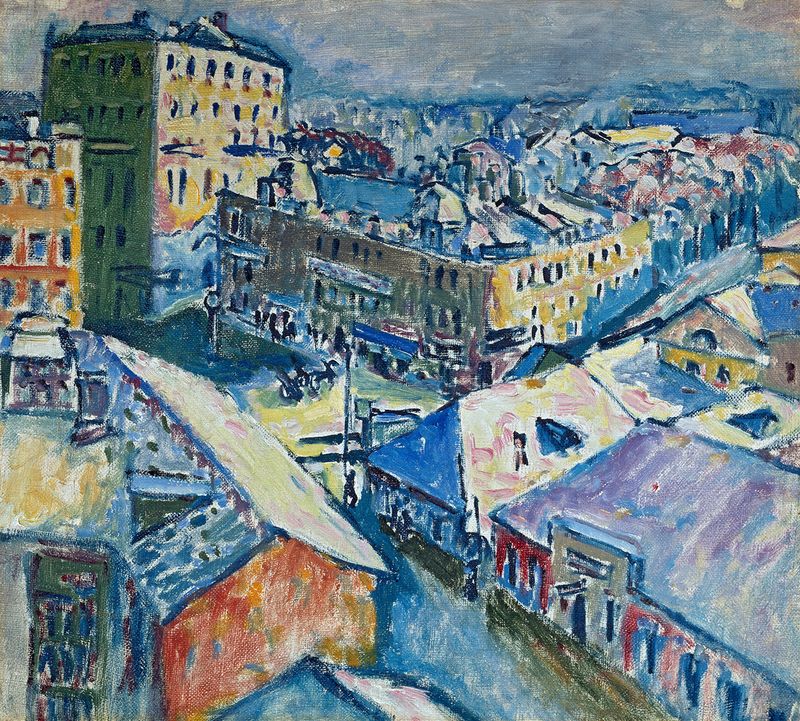
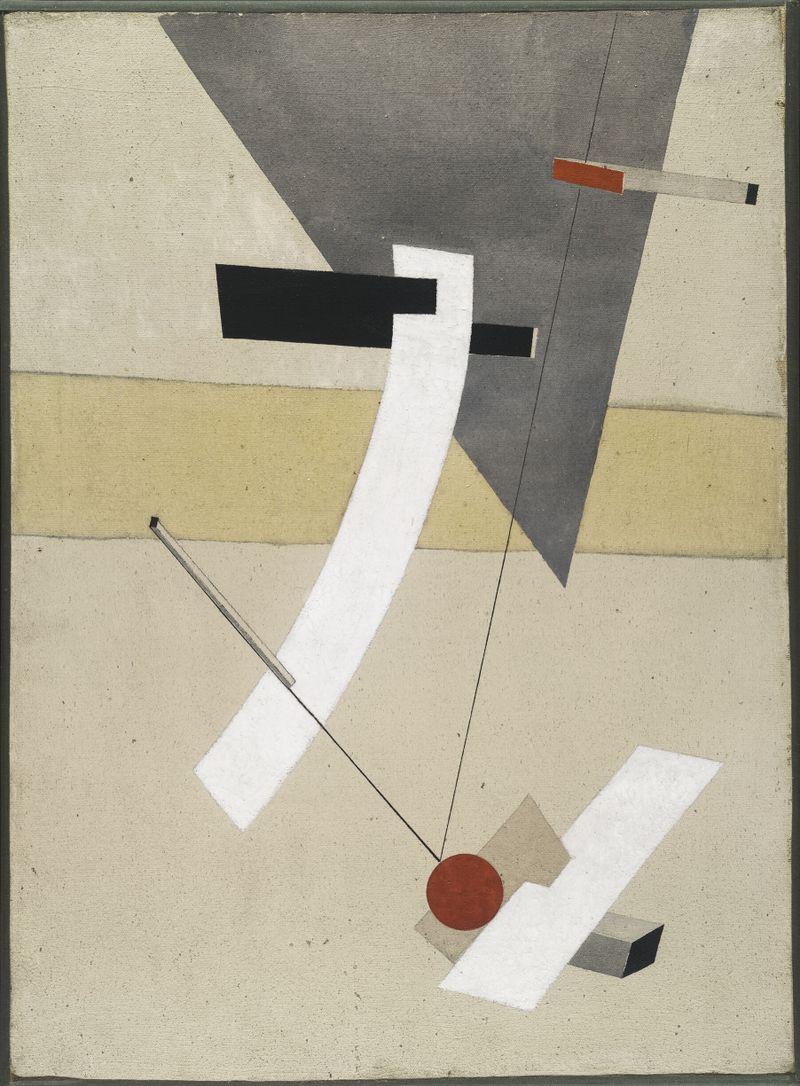
Who listens when art speaks of silence? In the stillness of memory, No. 309 captures a moment that reverberates long after the viewer departs. Look to the subtle interplay of colors that dominate the canvas—a muted palette of grays and blues envelops the composition, drawing you into a quiet world. Notice how the gentle brushstrokes create a textured surface, suggesting a softness that contrasts with the stark emptiness of the background.
This tranquil arrangement invites contemplation, directing your gaze toward the central figure, whose posture speaks volumes without uttering a word. Delve deeper, and you'll find layers of meaning woven into the fabric of this piece. The central figure, seemingly lost in thought, embodies the weight of memory, evoking a sense of longing and introspection. The sparse arrangement hints at isolation, yet the enveloping colors suggest comfort within solitude, inviting the viewer to reflect on their own experiences.
The tension between absence and presence permeates the canvas, prompting questions about the nature of memory itself. In 1887, at a time when the art world was shifting towards Impressionism, Louis Kinney Harlow painted No. 309 while grappling with his own artistic identity. He found himself in an era of rapid change, where traditional techniques were giving way to new methodologies that emphasized emotion and perception over realism.
This painting emerges as a personal exploration amid the evolving artistic landscape, capturing the essence of a moment that transcends the ordinary.
More Artworks by Louis Kinney Harlow
Browse all →
West Chop Light, Vineyard Sound, Mass.
Louis Kinney Harlow
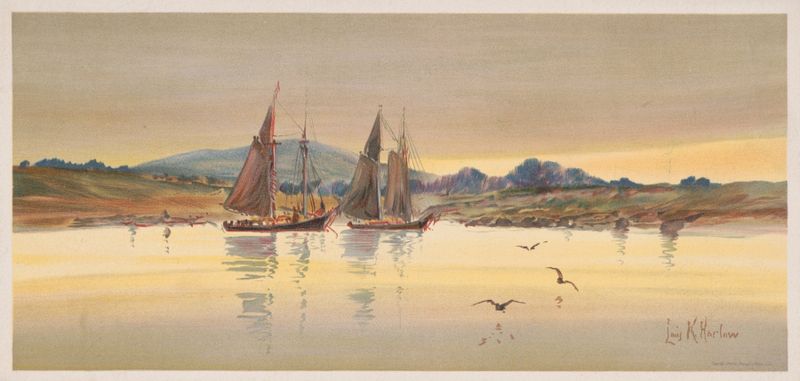
Sunset in Rockland Harbor
Louis Kinney Harlow
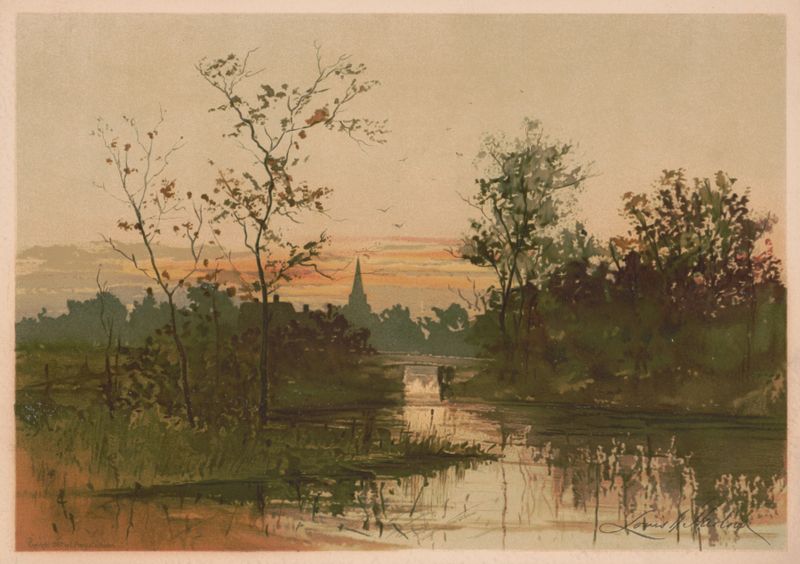
Nemasket River, Maine
Louis Kinney Harlow
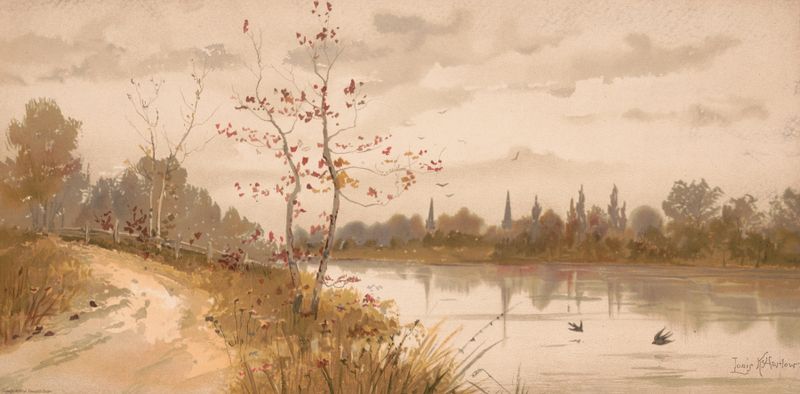
A river path
Louis Kinney Harlow

Castine, Maine
Louis Kinney Harlow

A bit of Monhegan, Maine
Louis Kinney Harlow
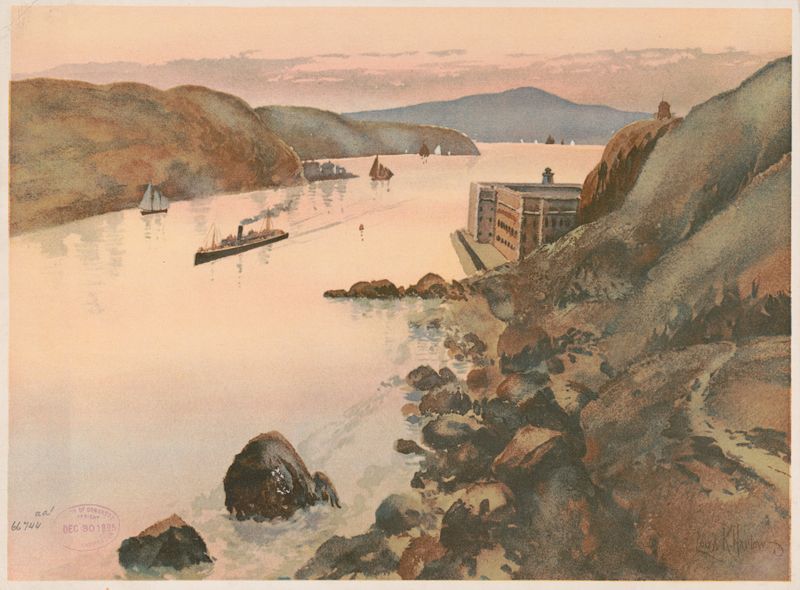
Fortifications and Golden Gate
Louis Kinney Harlow

Blue Hills, Camden, Me.
Louis Kinney Harlow

Near Boothbay Harbor, Maine coast
Louis Kinney Harlow

Evening rest
Louis Kinney Harlow