
North East View of Burton Agnes, Yorkshire: the Seat of Sir Francis Boynton Bart. — History & Facts
In the delicate strokes of the landscape, one can sense the fragility of nature, captured forever beneath layers of paint. The moment invites contemplation, where every leaf and shadow speaks volumes about the world it inhabits. Look to the center of the composition, where the impressive architecture of Burton Agnes stands, framed by gentle hills and swaying trees. The vibrant greens of the fields contrast beautifully with the soft blues of the sky, while the finely detailed clouds add depth and dynamism, creating a balance between solidity and fluidity.
The meticulous brushwork invites the viewer to explore the textures of the landscape, drawing attention to the careful interplay of light and shadow that brings this serene setting to life. Hidden within this pastoral tranquillity lies an underlying tension between permanence and transience. The grandeur of the estate suggests human ambition, while the encroaching elements of nature remind us of time’s inevitable march. The leaves rustling in the breeze and the distant figures symbolize the fleeting moments of life, contrasting with the steadfastness of the building—both a testament to human endeavor and the fragility of existence itself. John Buckler painted this piece in 1818, during a period of burgeoning Romanticism in the art world.
Living in England, he was inspired by the beauty of the countryside and the architectural elegance of estates like Burton Agnes. At this time, artists were increasingly turning to landscapes as a means to express emotional depth and reflect on the relationship between humanity and nature, signaling a shift that would resonate through the centuries.
More Artworks by John Buckler
Browse all →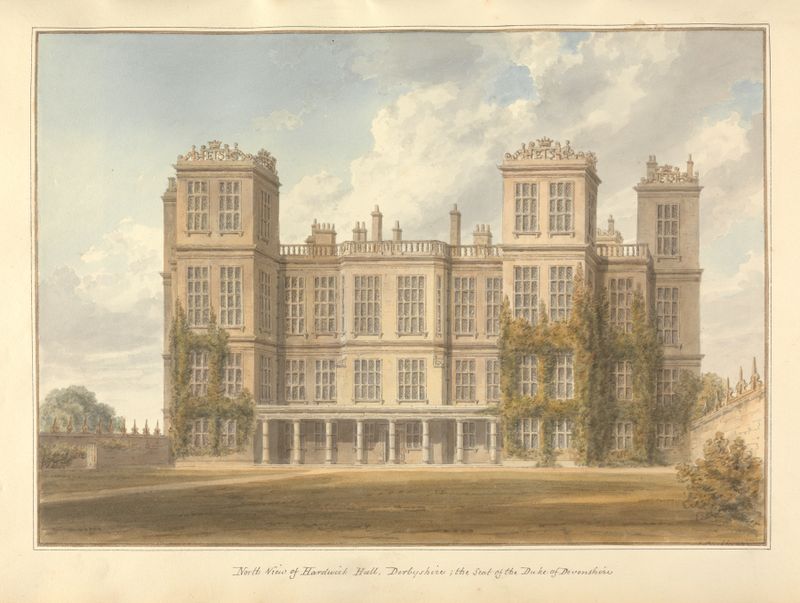
North View of Hardwick Hall, Derbyshire: the Seat of the Duke of Devonshire
John Buckler
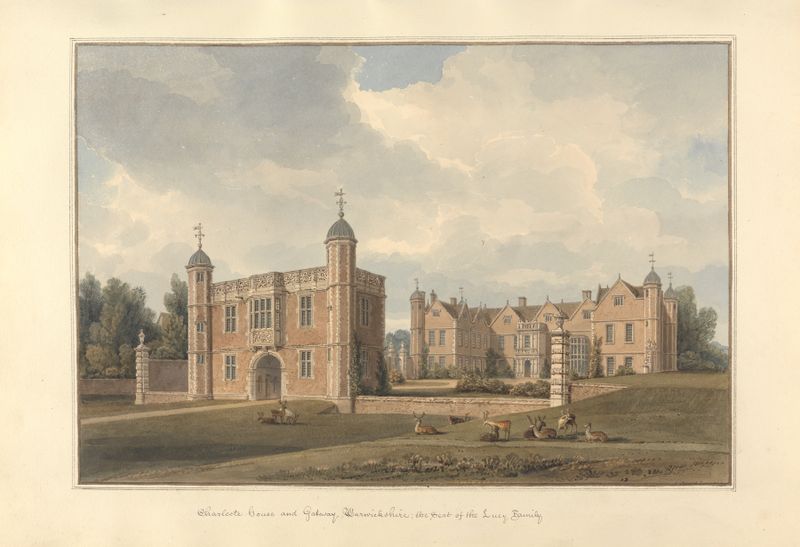
Charlcote house and Gateway, Warwickshire: the Seat of the Lucy Family
John Buckler

North East View of Holland House
John Buckler
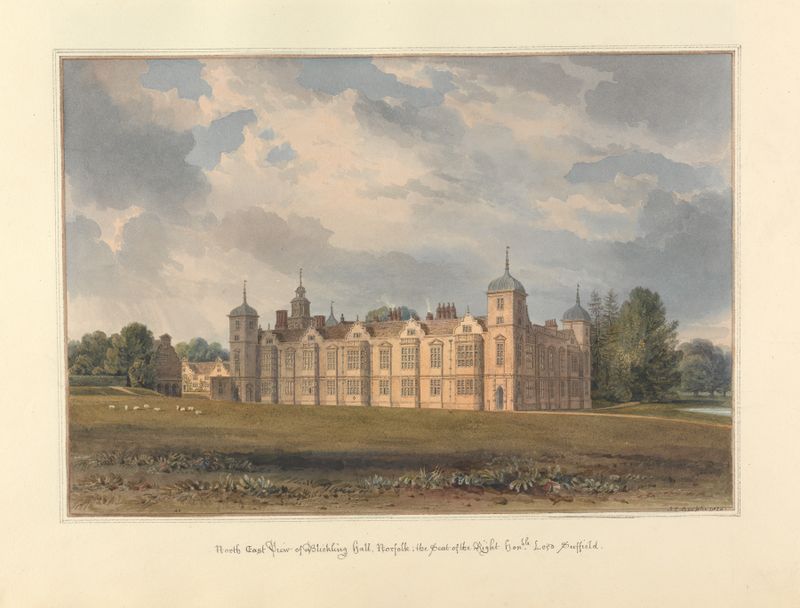
North East View of Blickling Hall, Norfolk: the Seat of the Right Hon’ble Lord Suffield
John Buckler
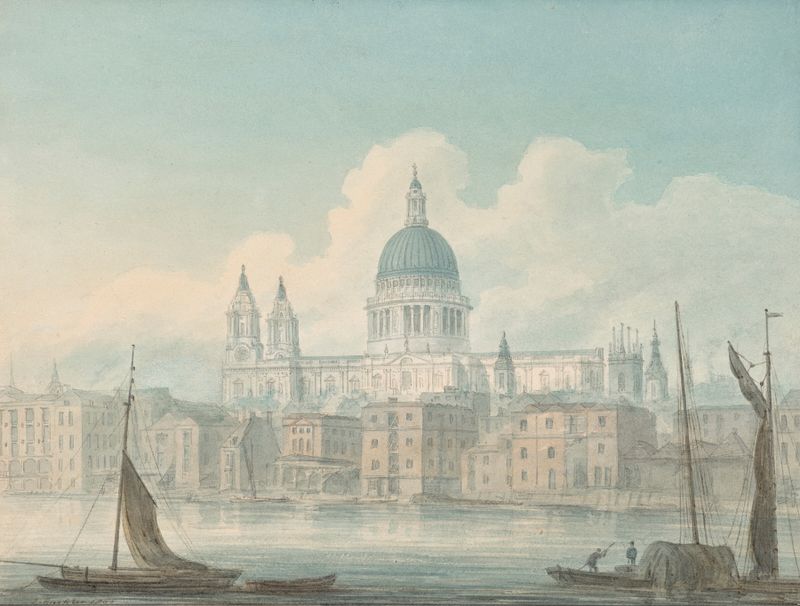
View of St Paul’s Cathedral, from the Southbank of the River Thames, London
John Buckler
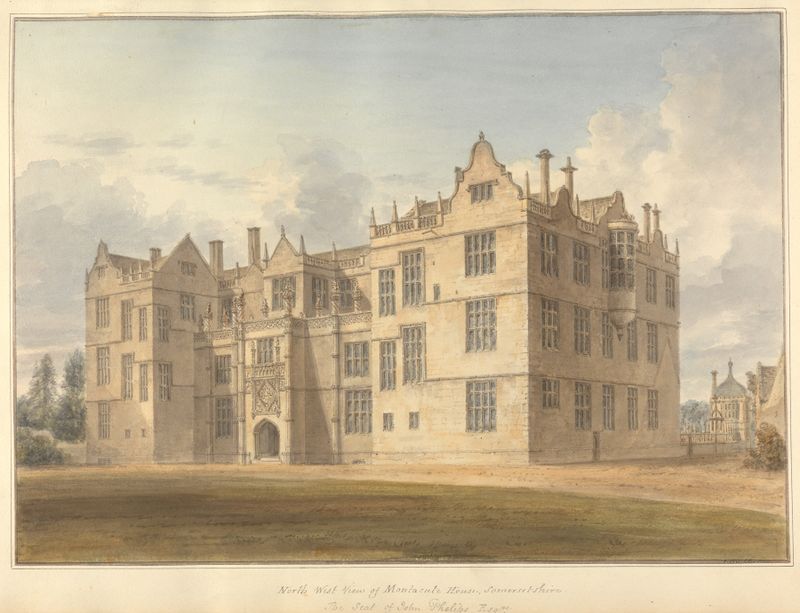
North West View of Montacute House, Somersetshire, The Seat of John Phelips Esqr.
John Buckler
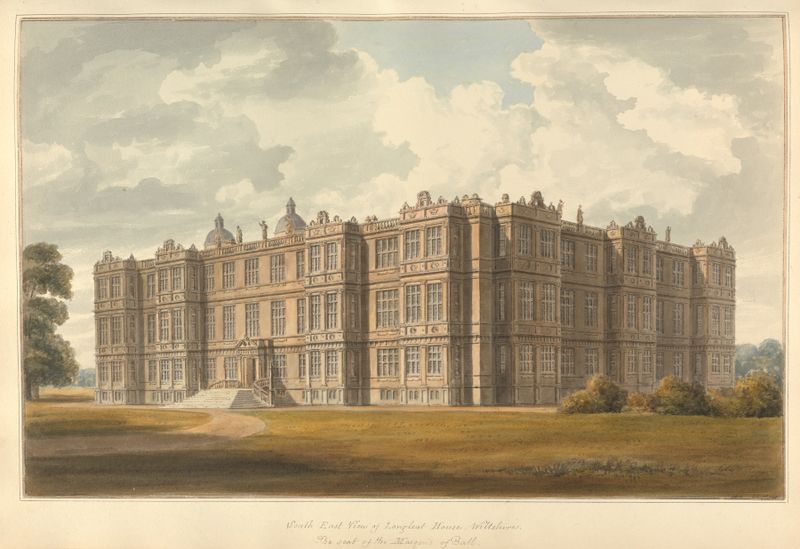
South East View of Longleat House, Wiltshire, the Seat of the Marquis of Bath
John Buckler
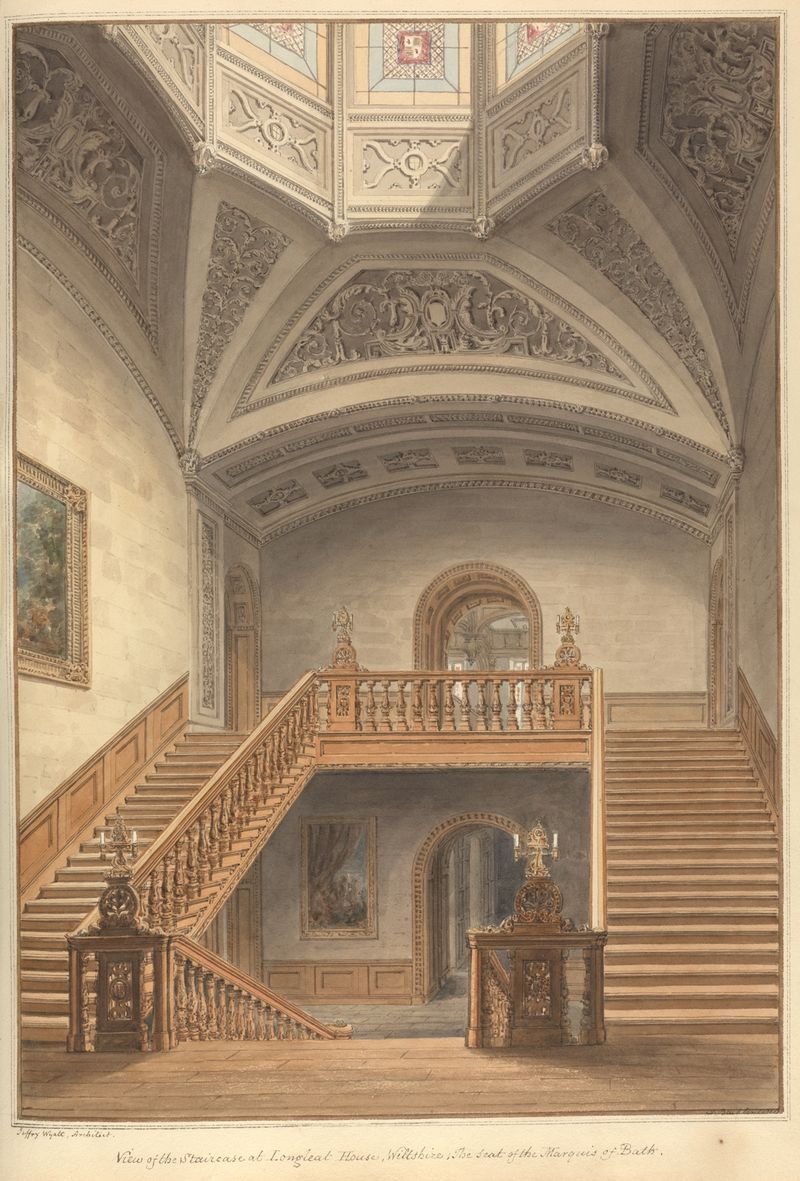
View of the Staircase at Longleat House, Wiltshire: the Seat of the Marquis of Bath
John Buckler
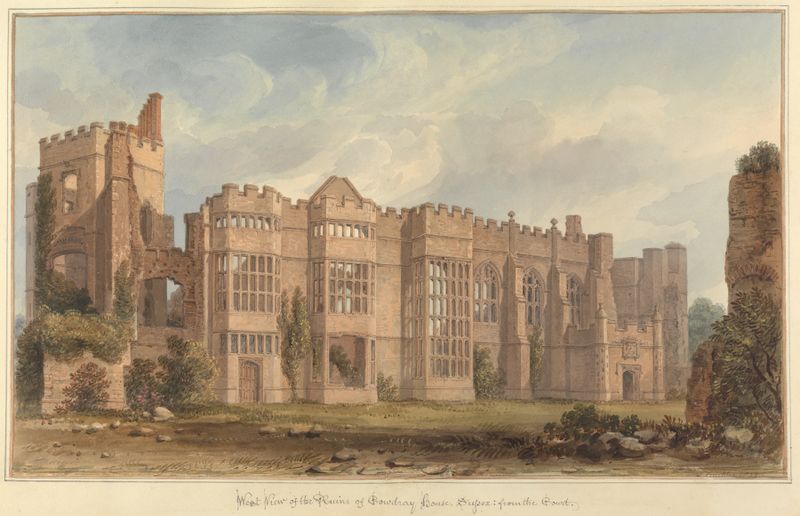
West View of the Ruins of Cowdray House, Sussex: from the Court
John Buckler
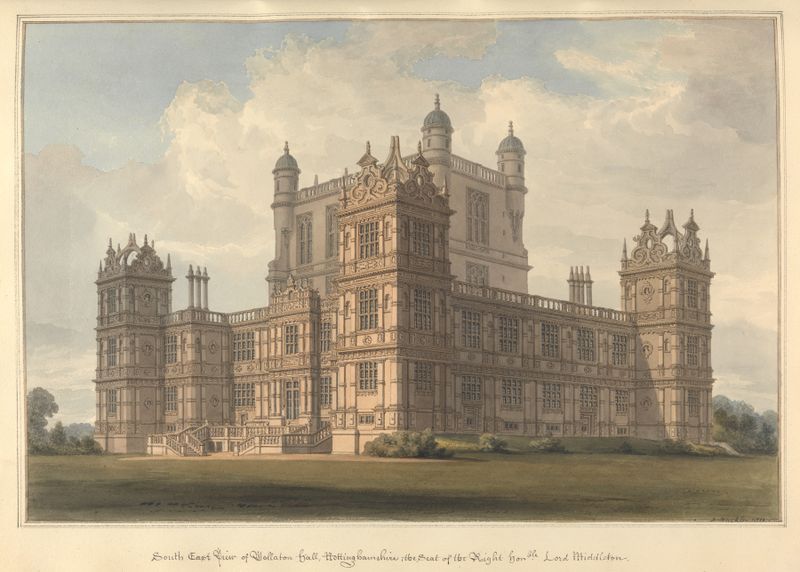
South East view of Wollaton hall, Nottinghamshire, the Seat of the Right honble. Lord Middleton
John Buckler
More Architecture Art
Browse all →
The statue of Liberty
Frédéric Auguste Bartholdi

View of Houses in Delft, Known as ‘The Little Street’
Johannes Vermeer

View of Houses in Delft, Known as ‘The Little Street’
Johannes Vermeer

The Cathedral in Rouen. The portal, Grey Weather
Claude Monet

The yellow house
Vincent van Gogh

The Church in Auvers-sur-Oise, View from the Chevet
Vincent van Gogh