
North Front of Belton house Lincolnshire — History & Facts
Can beauty exist without sorrow? The landscapes often tell tales of joy, yet their depths can cradle an undercurrent of longing, a silent echo of what has been lost. Focus first on the grand façade of Belton House, where the light bathes the stone in soft shades of cream and gold. The meticulously rendered details of the architecture stand resilient against the encroaching greenery, inviting you to explore every nook and cranny. Notice how the trees frame the structure, their lush leaves swaying gently as if whispering secrets to the ancient walls, while the azure sky looms above, both radiant and expansive, forming a dramatic backdrop that hints at infinite possibility. Beneath the surface of this idyllic scene lies a tension between human achievement and the passage of time.
The house, a symbol of grandeur, simultaneously evokes a sense of impermanence, as nature slowly reclaims its domain. The meticulousness of the artist reveals an admiration for both the artistry of architecture and the relentless advance of the natural world. It is a dance of ecstasy and melancholy, capturing a moment in time that urges the viewer to reflect upon the fleeting moments of beauty in life. In 1817, John Buckler created this piece while immersed in the Romantic movement, characterized by a reverence for nature and history.
At this time, he was exploring architectural illustration, seeking to document significant structures across England. The world around him was rapidly changing, with the Industrial Revolution reshaping landscapes and communities, prompting artists like him to capture the elegance of the past before it faded into memory.
More Artworks by John Buckler
Browse all →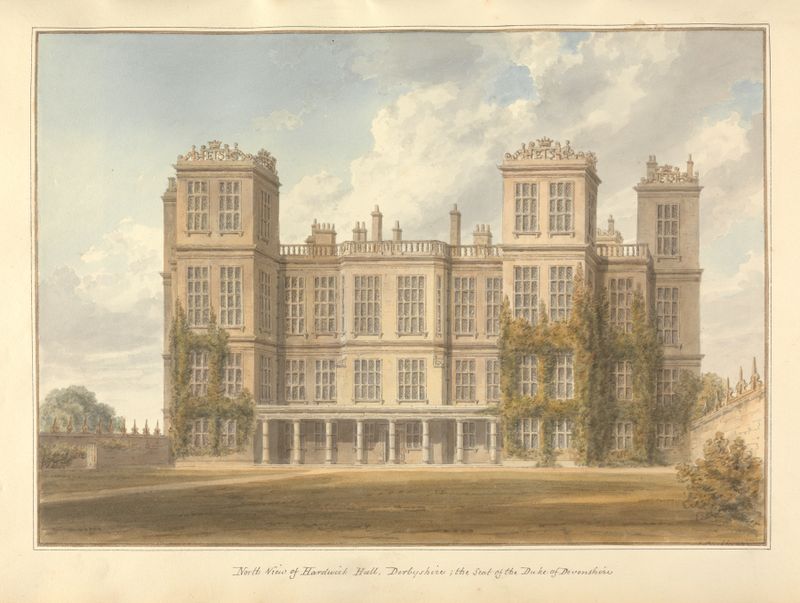
North View of Hardwick Hall, Derbyshire: the Seat of the Duke of Devonshire
John Buckler
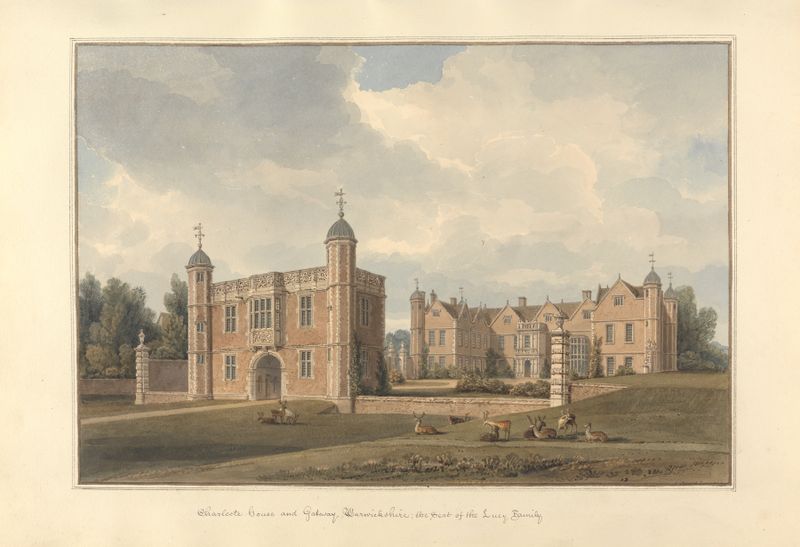
Charlcote house and Gateway, Warwickshire: the Seat of the Lucy Family
John Buckler

North East View of Holland House
John Buckler
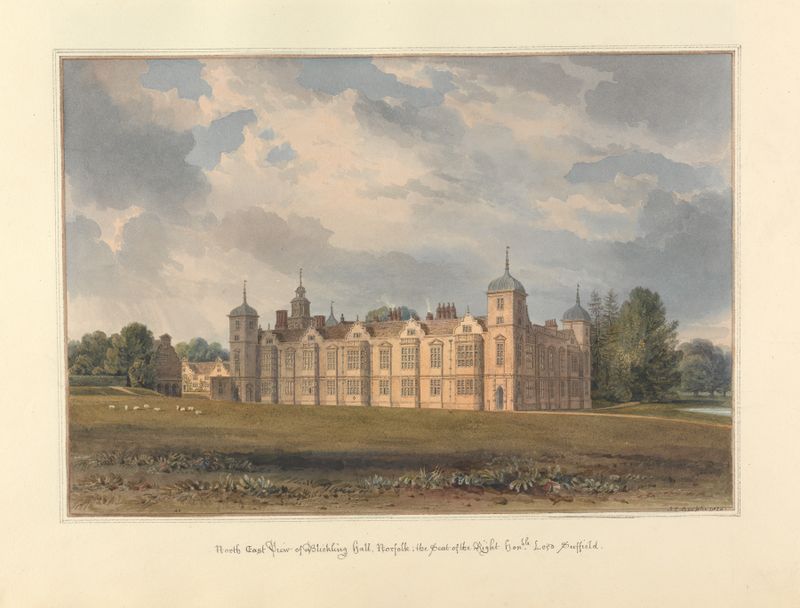
North East View of Blickling Hall, Norfolk: the Seat of the Right Hon’ble Lord Suffield
John Buckler
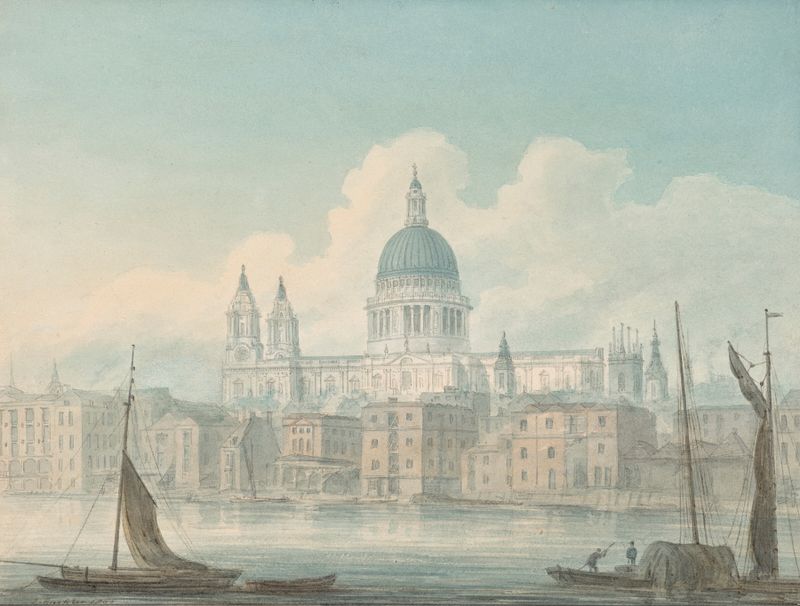
View of St Paul’s Cathedral, from the Southbank of the River Thames, London
John Buckler
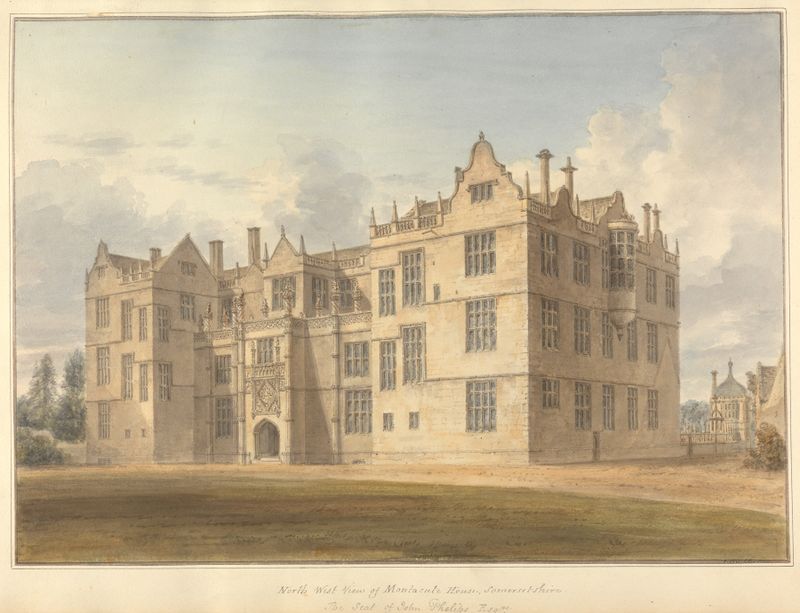
North West View of Montacute House, Somersetshire, The Seat of John Phelips Esqr.
John Buckler
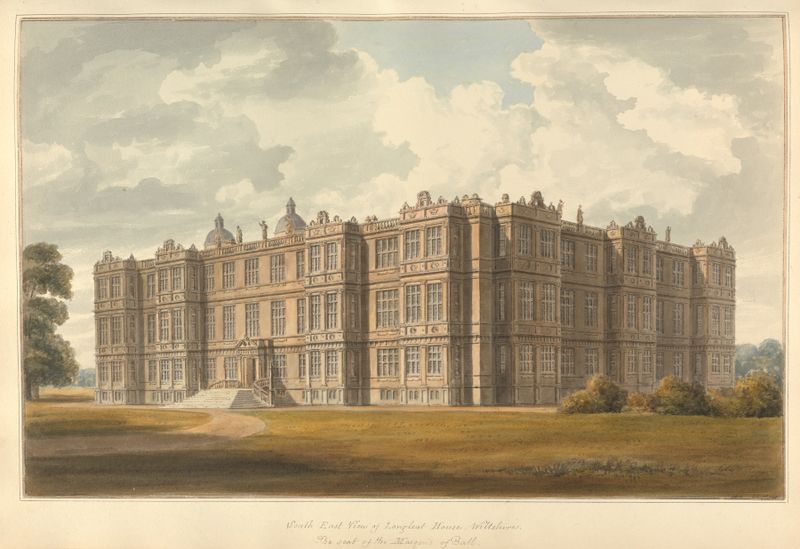
South East View of Longleat House, Wiltshire, the Seat of the Marquis of Bath
John Buckler
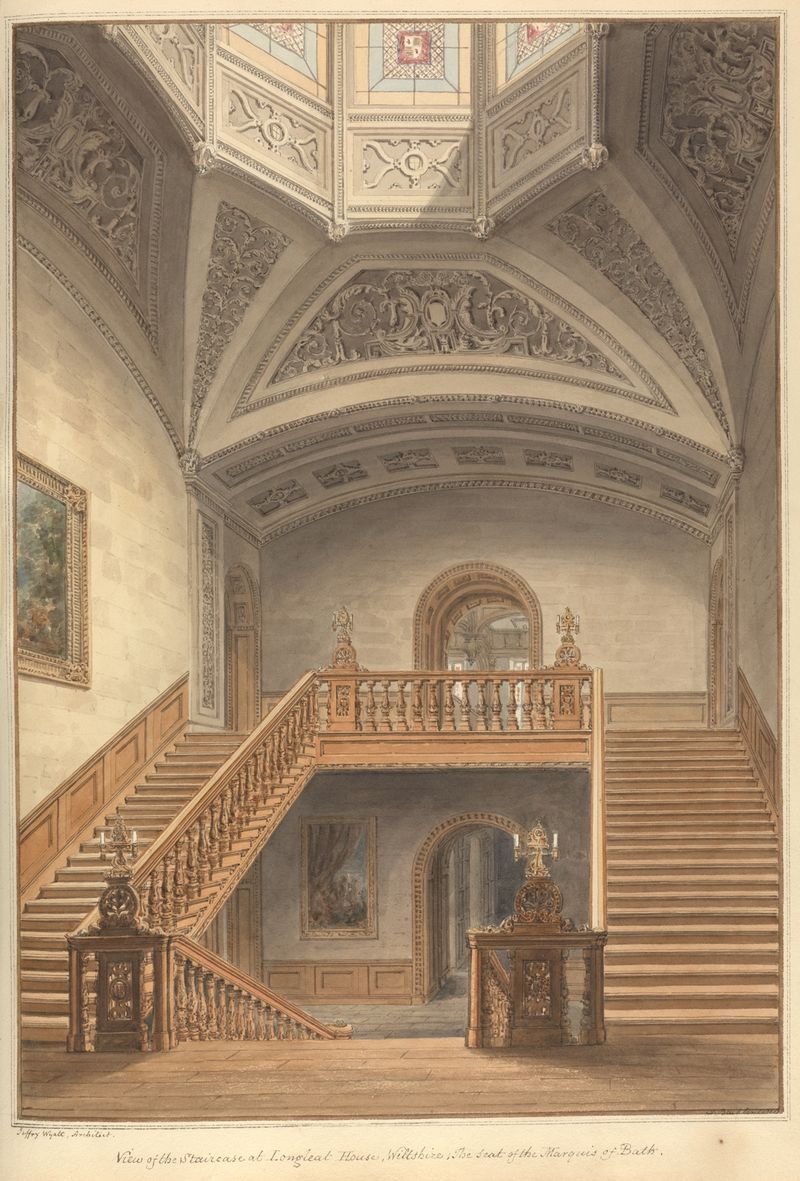
View of the Staircase at Longleat House, Wiltshire: the Seat of the Marquis of Bath
John Buckler
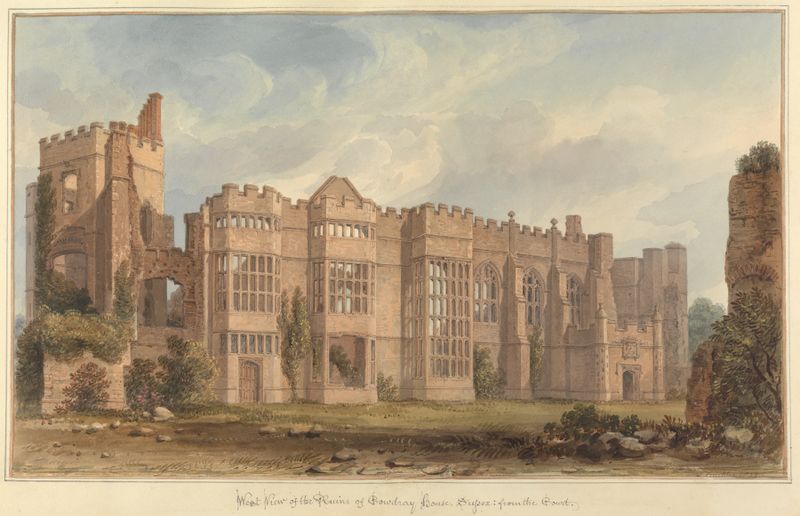
West View of the Ruins of Cowdray House, Sussex: from the Court
John Buckler
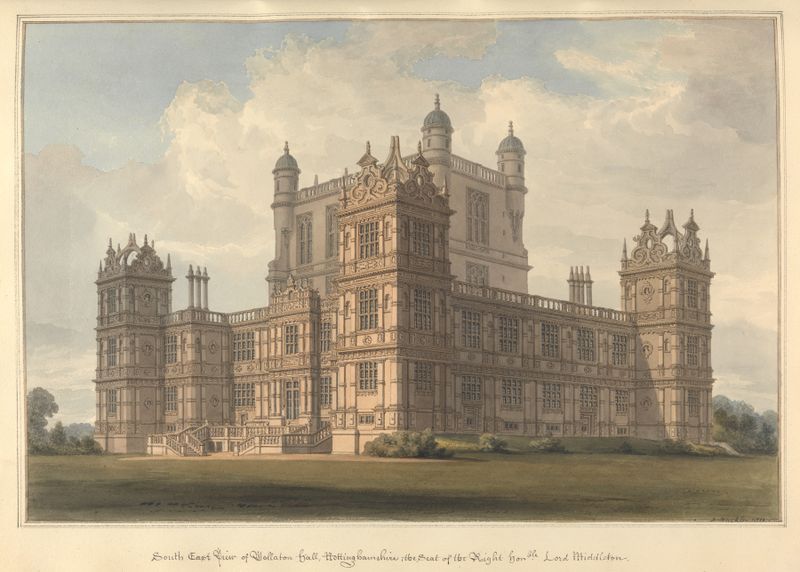
South East view of Wollaton hall, Nottinghamshire, the Seat of the Right honble. Lord Middleton
John Buckler
More Architecture Art
Browse all →
The statue of Liberty
Frédéric Auguste Bartholdi

View of Houses in Delft, Known as ‘The Little Street’
Johannes Vermeer

View of Houses in Delft, Known as ‘The Little Street’
Johannes Vermeer

The Cathedral in Rouen. The portal, Grey Weather
Claude Monet

The yellow house
Vincent van Gogh

The Church in Auvers-sur-Oise, View from the Chevet
Vincent van Gogh