
North West view of Burleigh House The Seat of the Marquis of Exeter — History & Facts
Can beauty exist without sorrow? In the serene landscape of a stately home, one might find an unsettling undercurrent lurking beneath the canvas. Look to the center, where Burleigh House stands majestically, its intricate architecture framed against a backdrop of lush greenery. The artist's attention to detail is striking; the delicate brushwork captures the play of light on the edifice, while the meticulously painted foliage evokes a sense of life and vibrancy. Notice how the sky, with its soft blues and whites, hovers over the scene, almost too perfect, suggesting an idyllic yet fragile beauty. Yet, there is tension here.
The stillness of the setting belies the potential madness of human endeavor; the grandeur of the house contrasts sharply with the surrounding nature, hinting at the weight of aristocratic legacy. The winding path leading to the entrance invites us, but it also suggests a passage to something more complex beneath the surface—a reminder of the ephemeral nature of beauty, poised precariously between its allure and the inevitability of decay. In 1817, the artist painted this view while living in a world that was rapidly changing, marked by the Industrial Revolution and growing tensions in society. Buckler was known for his architectural watercolor work, often capturing the nobility of the British landscape, and this piece reflects his commitment to document the grandeur of estates during a time when such scenes were beginning to fade in the face of modernity.
More Artworks by John Buckler
Browse all →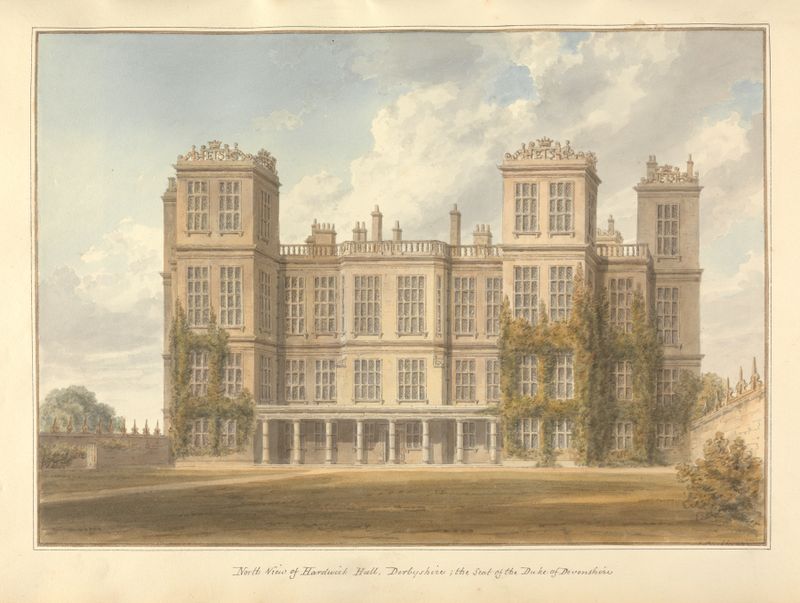
North View of Hardwick Hall, Derbyshire: the Seat of the Duke of Devonshire
John Buckler
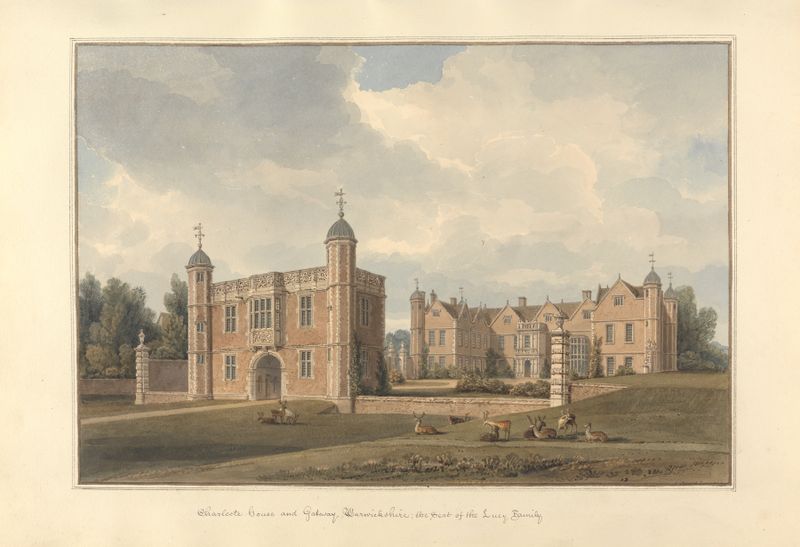
Charlcote house and Gateway, Warwickshire: the Seat of the Lucy Family
John Buckler

North East View of Holland House
John Buckler
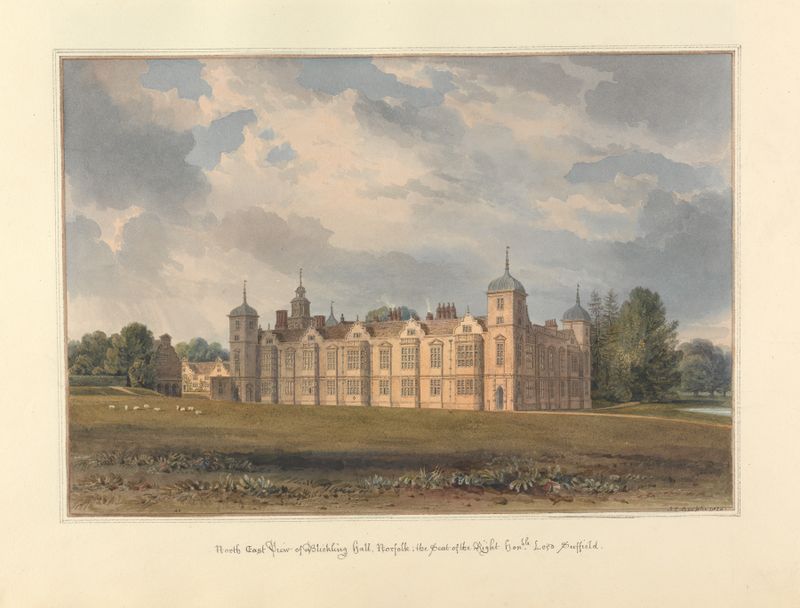
North East View of Blickling Hall, Norfolk: the Seat of the Right Hon’ble Lord Suffield
John Buckler
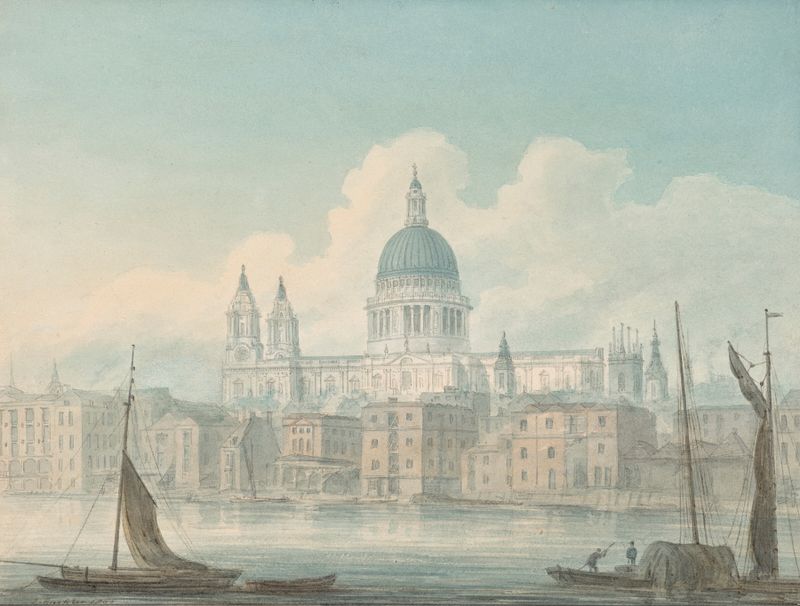
View of St Paul’s Cathedral, from the Southbank of the River Thames, London
John Buckler
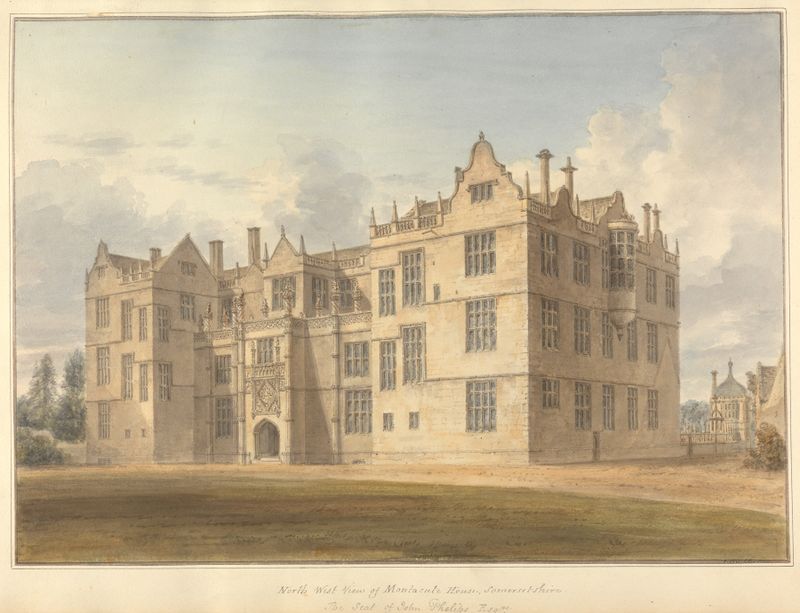
North West View of Montacute House, Somersetshire, The Seat of John Phelips Esqr.
John Buckler
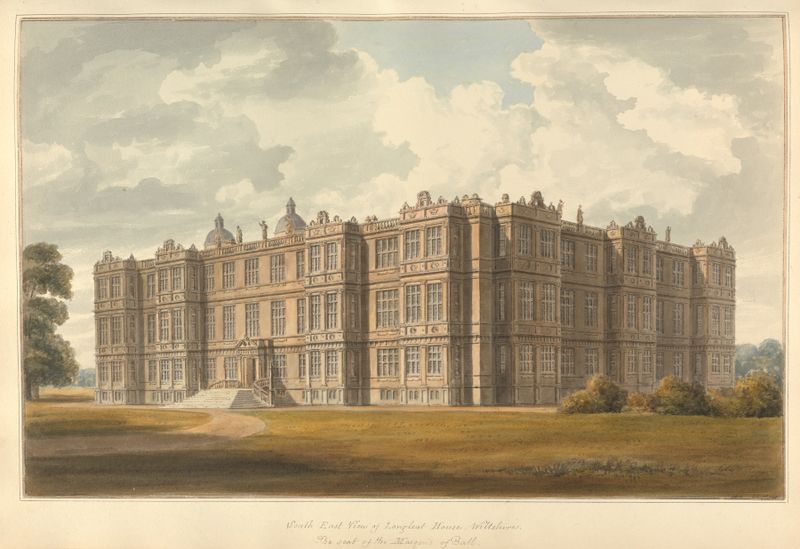
South East View of Longleat House, Wiltshire, the Seat of the Marquis of Bath
John Buckler
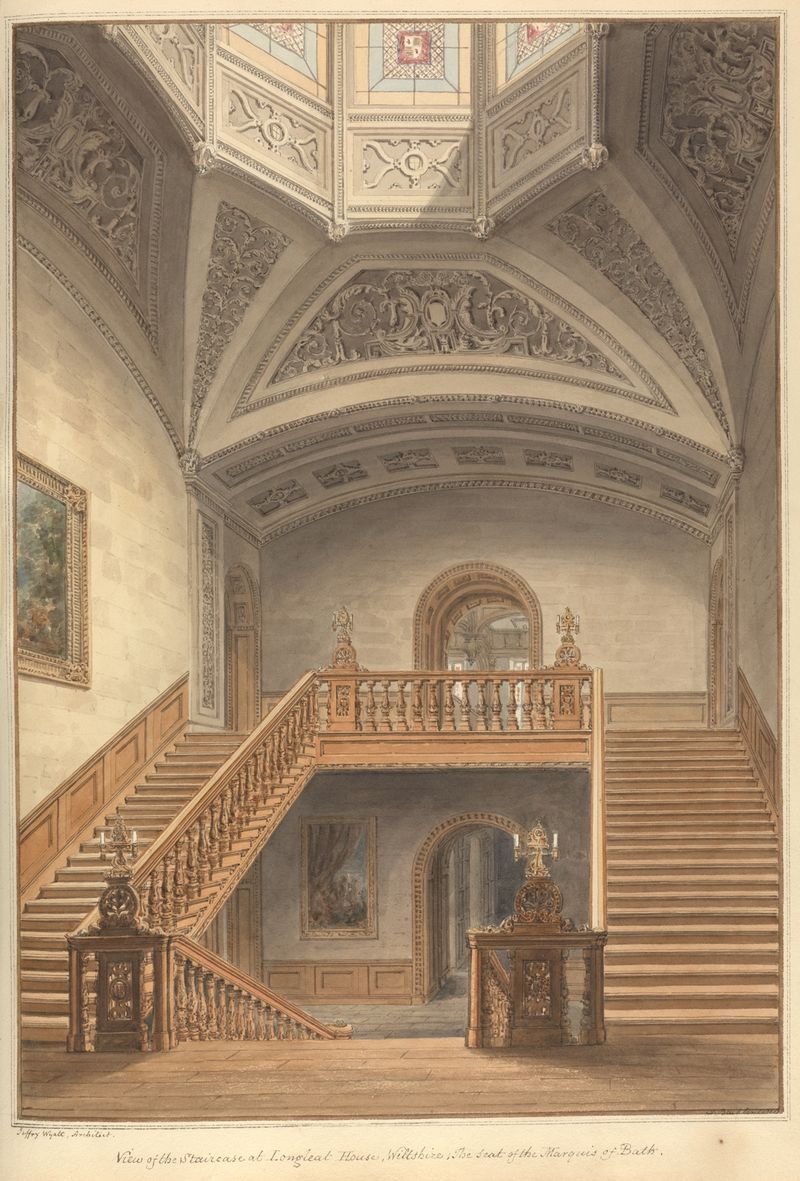
View of the Staircase at Longleat House, Wiltshire: the Seat of the Marquis of Bath
John Buckler
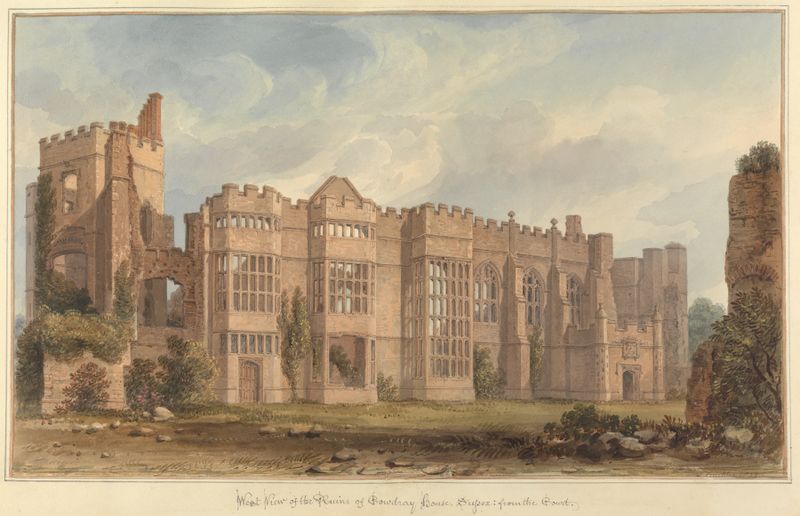
West View of the Ruins of Cowdray House, Sussex: from the Court
John Buckler
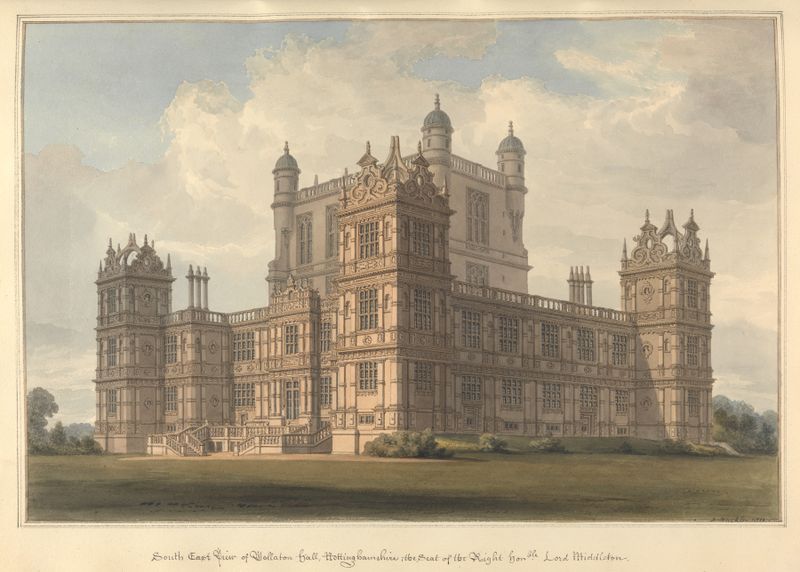
South East view of Wollaton hall, Nottinghamshire, the Seat of the Right honble. Lord Middleton
John Buckler
More Architecture Art
Browse all →
The statue of Liberty
Frédéric Auguste Bartholdi

View of Houses in Delft, Known as ‘The Little Street’
Johannes Vermeer

View of Houses in Delft, Known as ‘The Little Street’
Johannes Vermeer

The Cathedral in Rouen. The portal, Grey Weather
Claude Monet

The yellow house
Vincent van Gogh

The Church in Auvers-sur-Oise, View from the Chevet
Vincent van Gogh