
Nostalgia — History & Facts
This poignant reflection invites us to explore the delicate balance between memory and longing that permeates certain art. Look to the center of the canvas, where a serene figure reclines, enveloped in a dreamlike haze. The soft, muted palette of pastels melds together, evoking a sense of calm but also an overwhelming yearning. Notice how the gentle brushstrokes create a shimmering effect, capturing a moment suspended in time, almost like light dancing on water.
The composition draws the eye to the figure’s contemplative gaze, inviting us to ponder what memories swirl beneath the surface. Yet, this beauty is laced with tension. The figure’s serene expression contrasts sharply with the desaturated background, hinting at an emotional restlessness just beneath the tranquility. The interplay of light and shadow speaks of fleeting moments, emphasizing the duality of nostalgia—where joy mingles with sorrow.
Each element, from the delicate folds of fabric to the softened contours of the face, reflects a profound sense of introspection, urging us to confront our own pasts. In 1895, Ladislav Mednyánszky painted Nostalgia during a tumultuous time in his life, as he grappled with personal loss and the shifting dynamics of the art world in Hungary. This period marked a transition in his style, blending realism with a poetic sensibility, reflecting both his own emotional landscape and a broader cultural shift towards introspection in art.
More Artworks by Ladislav Mednyánszky
Browse all →
Winter Landscape
Ladislav Mednyánszky
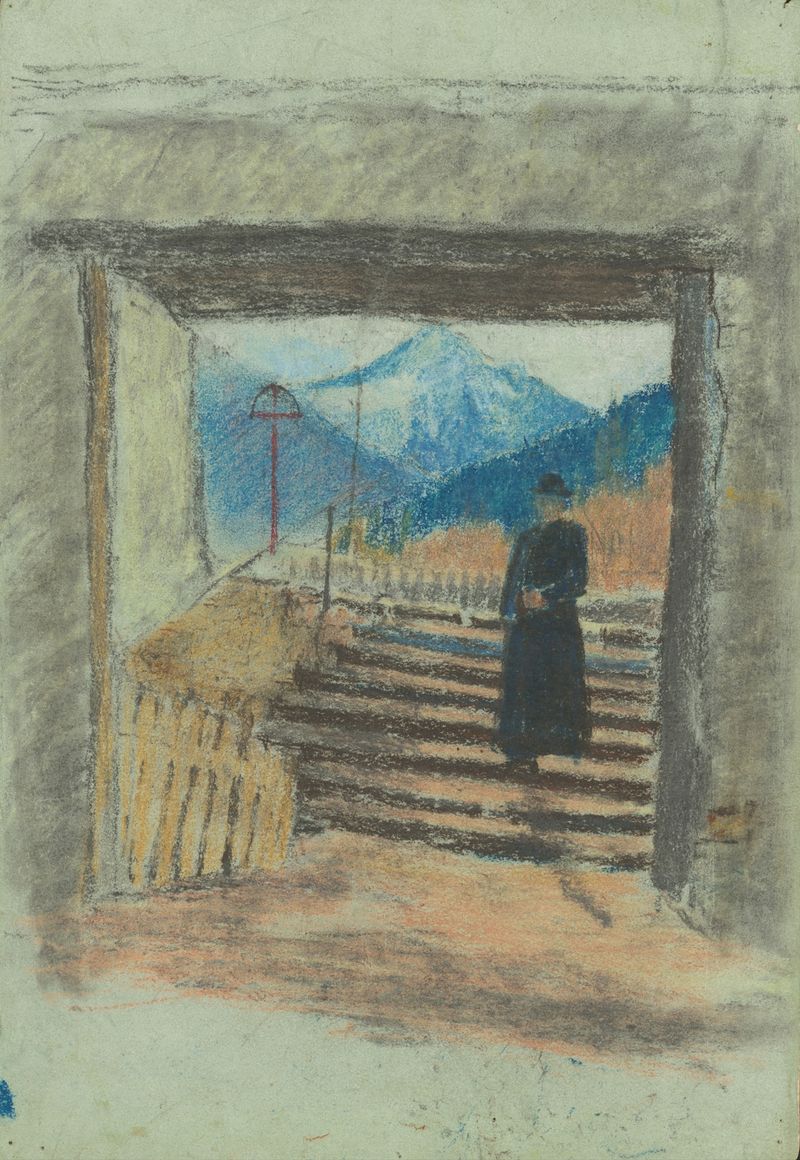
Out of Cemetery
Ladislav Mednyánszky

Lomnický Peak
Ladislav Mednyánszky

Nad riekou
Ladislav Mednyánszky
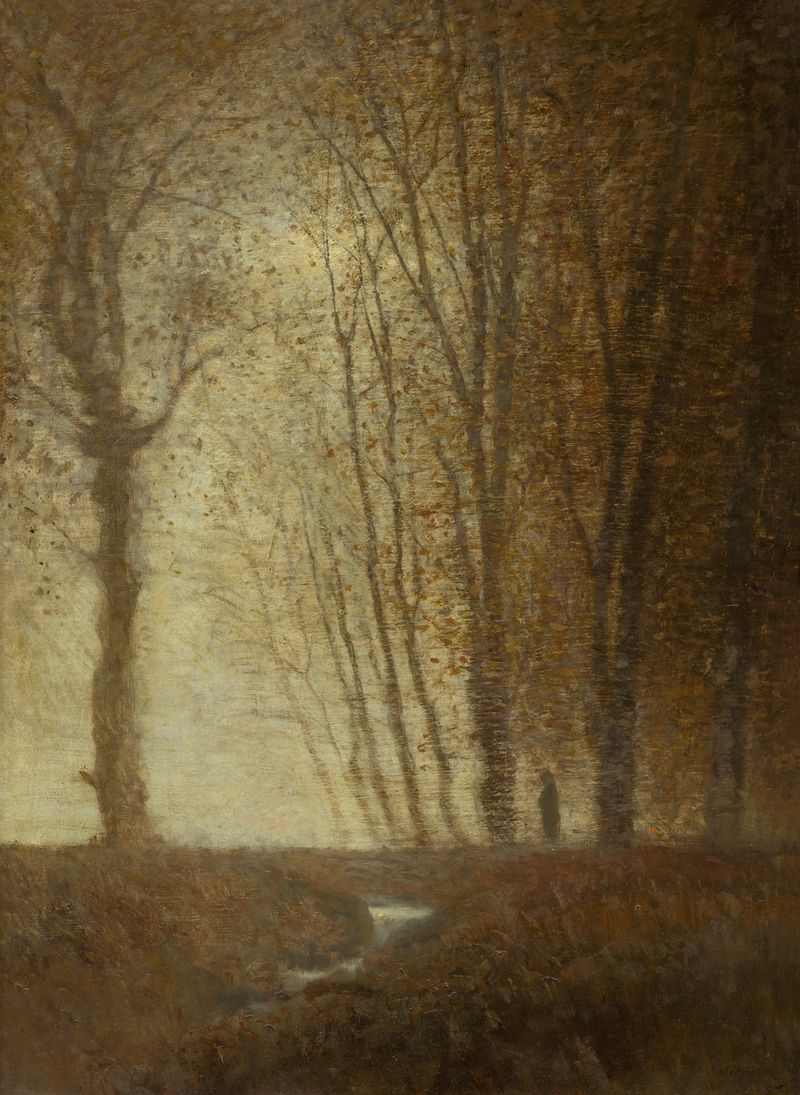
Edge of the Forest in the Moonlight
Ladislav Mednyánszky

View of the Ruins of Súľov
Ladislav Mednyánszky

Landscape with a Lake
Ladislav Mednyánszky
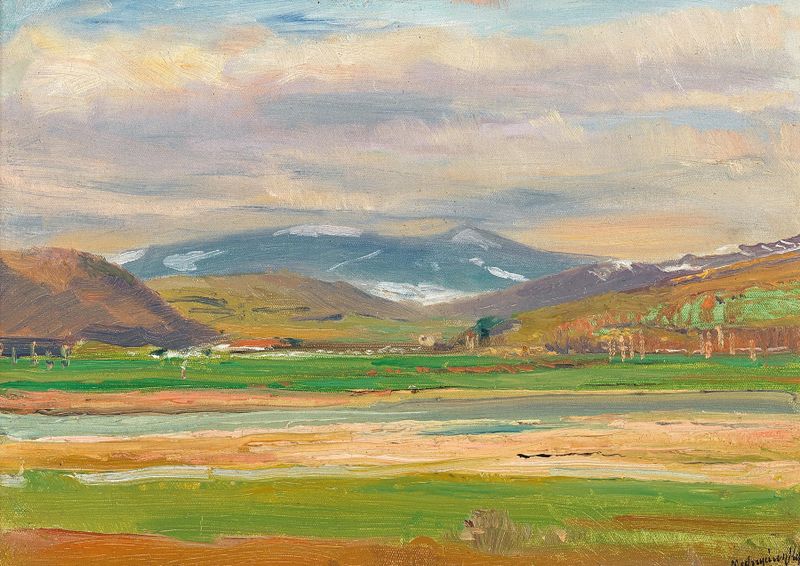
A Spring Landscape at the Foot of the Tatras
Ladislav Mednyánszky

A Wintry Forest
Ladislav Mednyánszky
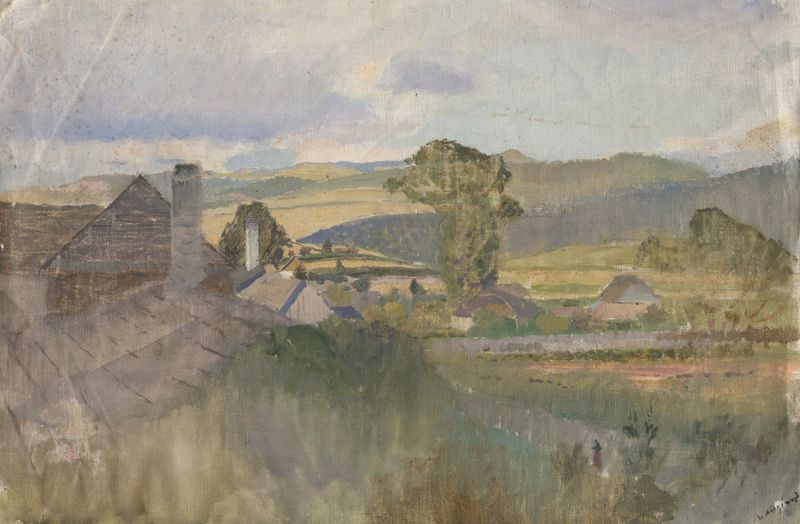
Village below the Tatras
Ladislav Mednyánszky





