
Nuremberg — History & Facts
Is this a mirror — or a memory? The ethereal glow of the distant buildings captures not just a moment in time, but a sense of legacy that transcends eras. Focus on the delicate interplay of light and shadow as you look toward the horizon where Gothic spires pierce the sky. The soft hues of twilight blend seamlessly, creating a dreamlike atmosphere that invites contemplation. The meticulous attention to detail in the architecture draws the eye, while the gentle ripples in the foreground hint at a flowing river that connects past and present. Amidst this tranquil scene, there lies a profound tension: the juxtaposition of the solid, enduring structures against the ephemeral nature of time.
The faint silhouettes of figures engaged in daily life evoke a sense of nostalgia, suggesting stories untold. Each element, from the weathered stone to the serene water, speaks to the interactions of humanity with its environment, urging viewers to reflect on their own legacies. During the creation of this work, the artist found himself in an era of growing industrialization and urbanization. Although the exact date remains unclear, Boys was known for his romanticized views of landscapes and historical sites in the mid-19th century.
As he navigated the artistic shifts of his time, he captured the essence of Nuremberg, infusing it with a timeless quality that resonates deeply with our present.
More Artworks by Thomas Shotter Boys
Browse all →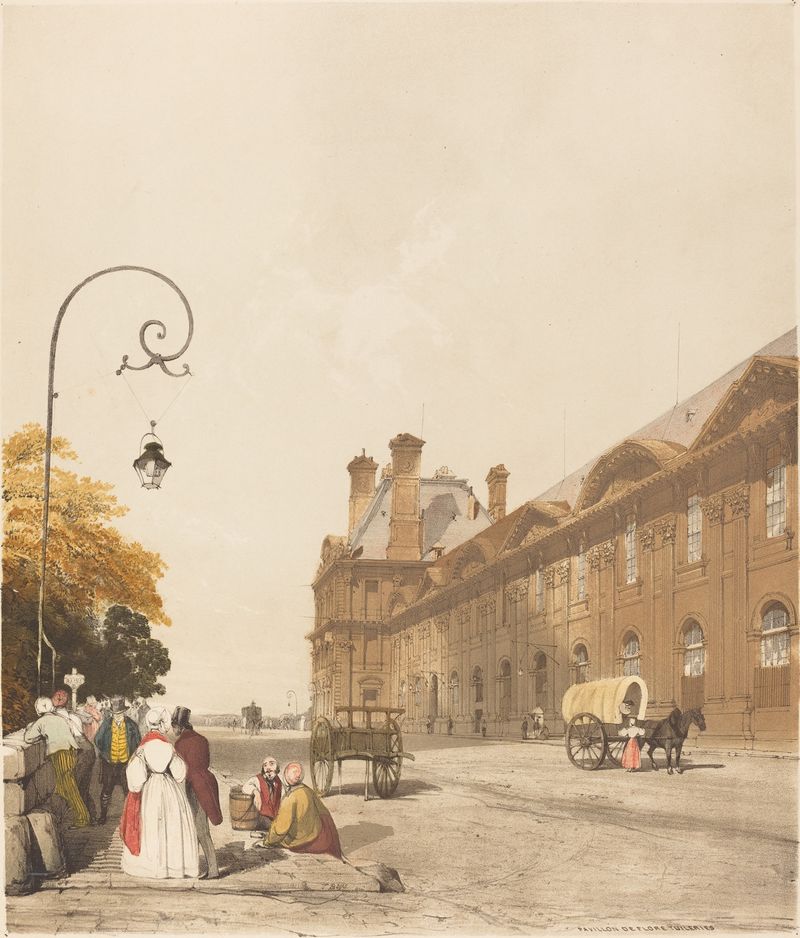
Pavillon de Flore, Tuileries
Thomas Shotter Boys
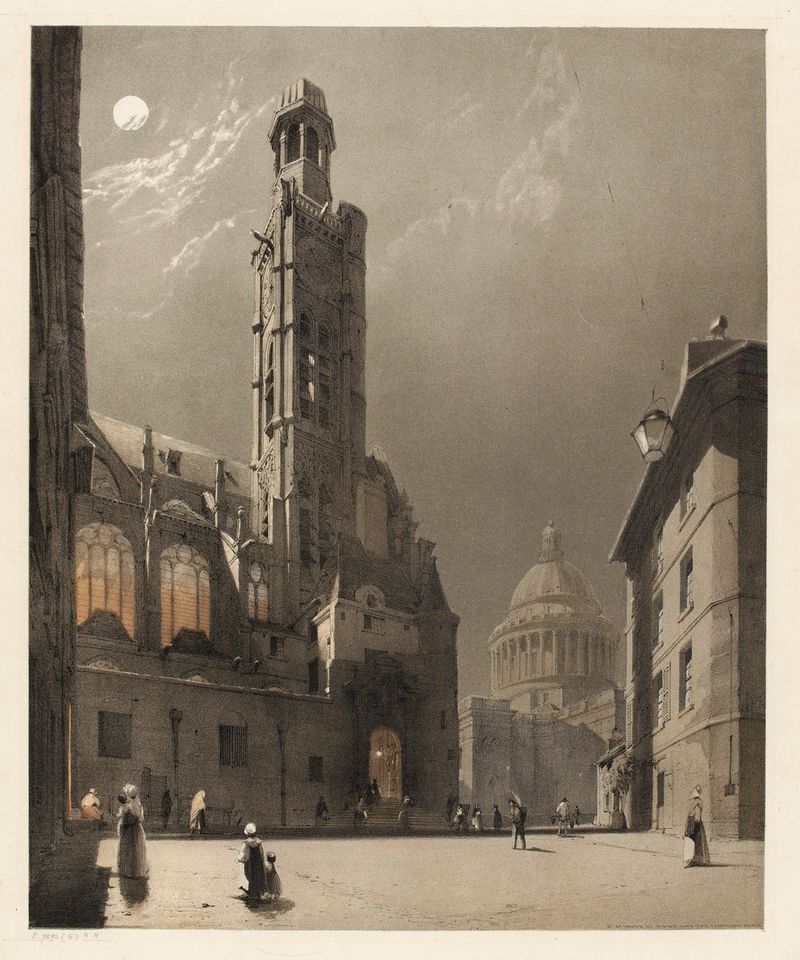
St Etienne du Mont and the Panthéon, Paris
Thomas Shotter Boys
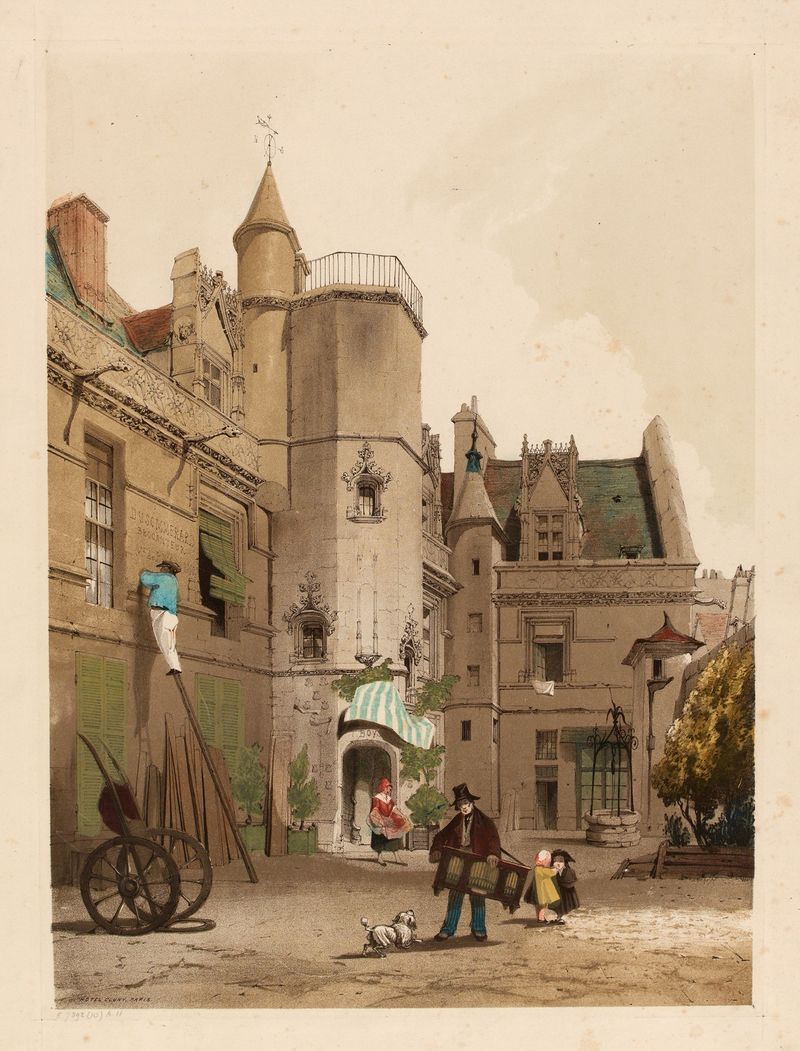
Hôtel Cluny, Paris.
Thomas Shotter Boys
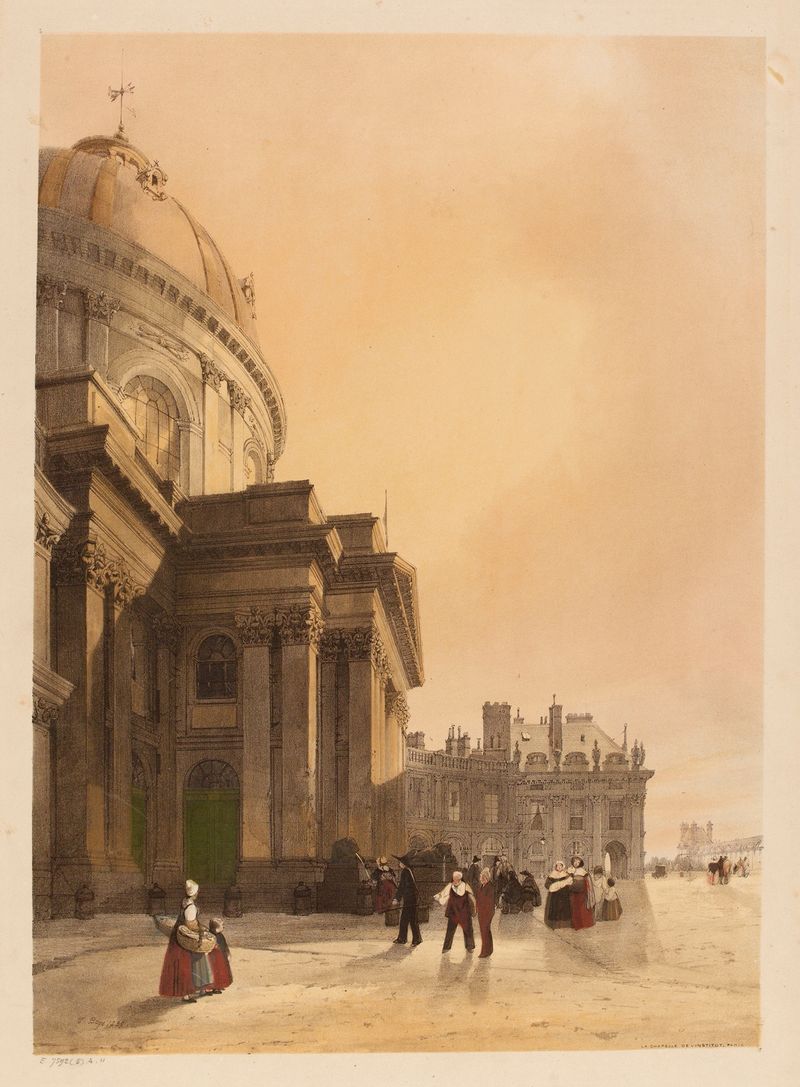
La chapelle de l’Institut, Paris
Thomas Shotter Boys
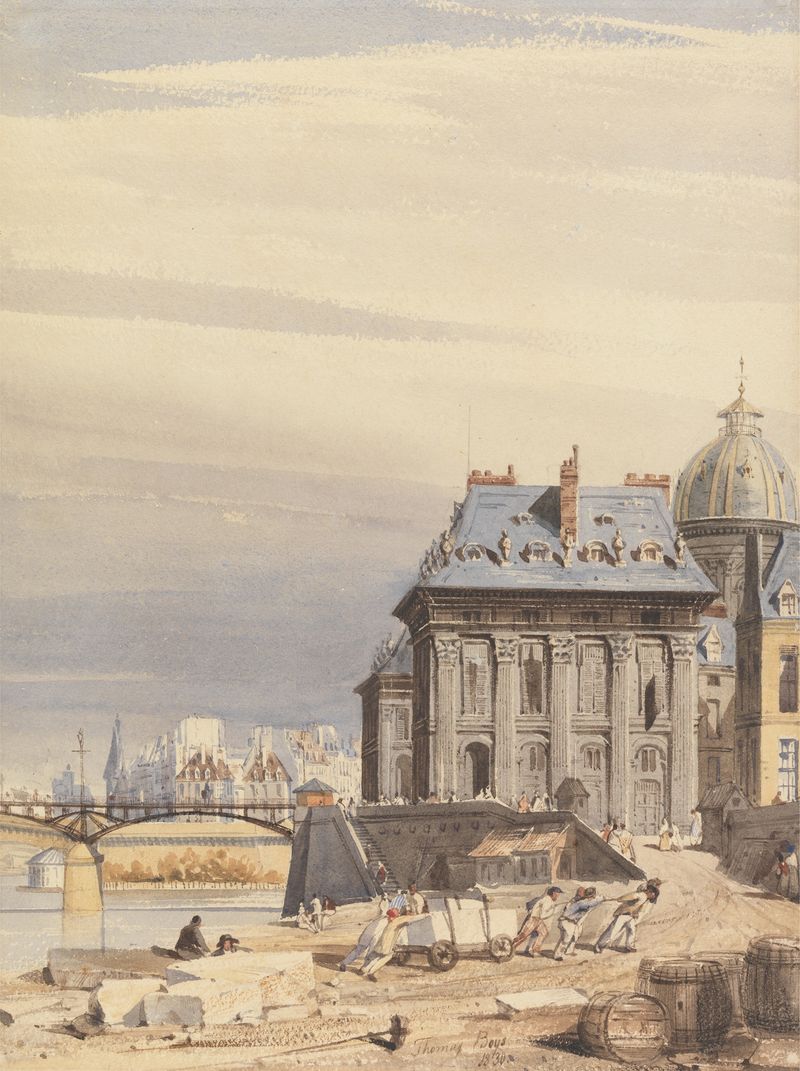
L’Institut de France, Paris
Thomas Shotter Boys
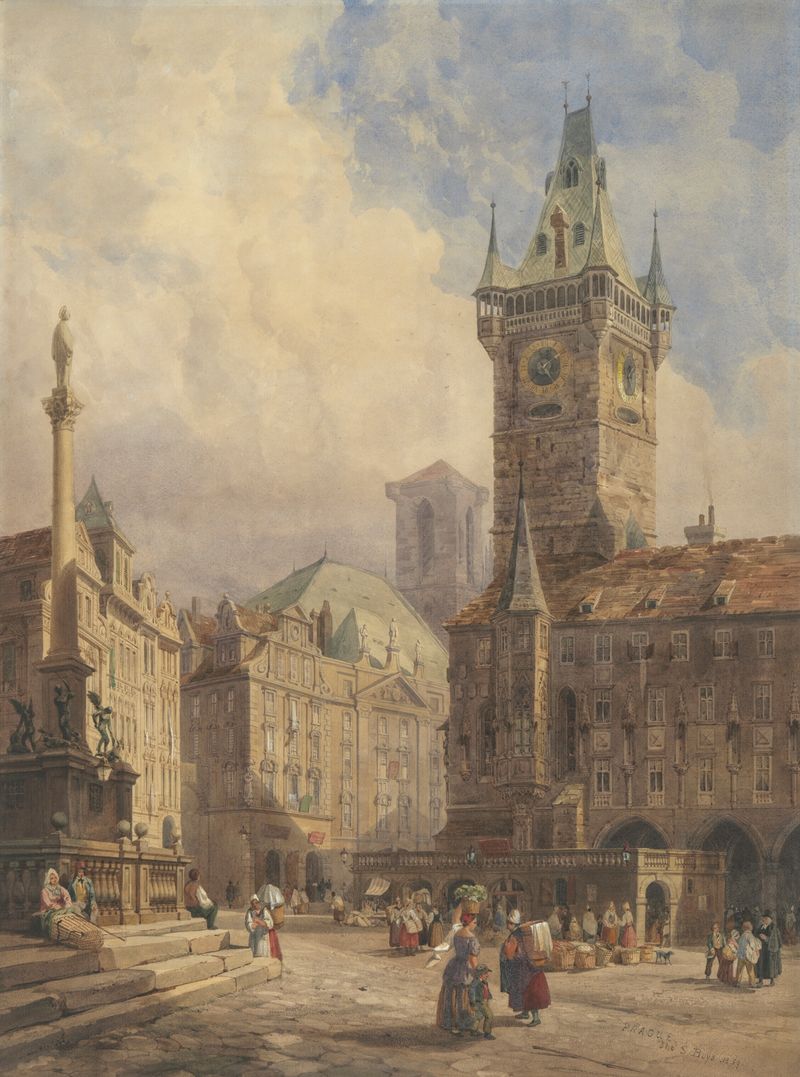
Rathaus from Old Town Square, Prague
Thomas Shotter Boys
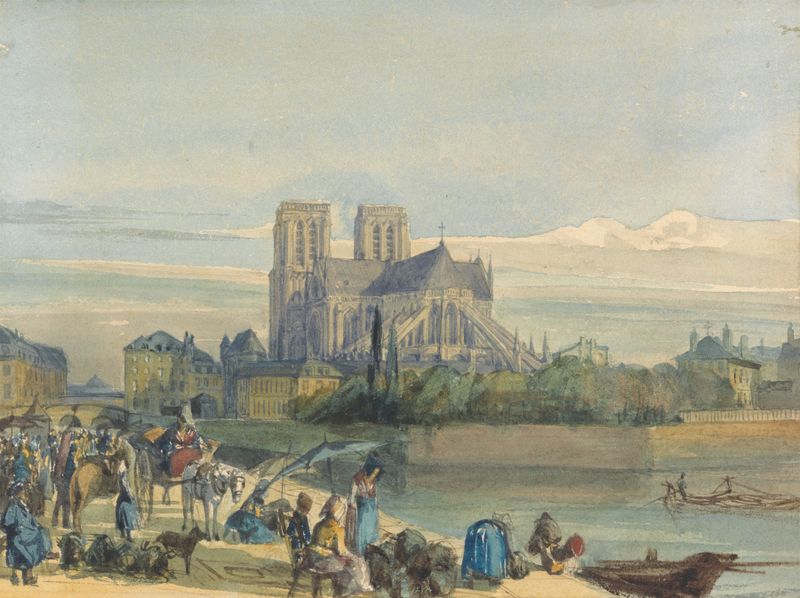
Notre Dame, Paris
Thomas Shotter Boys
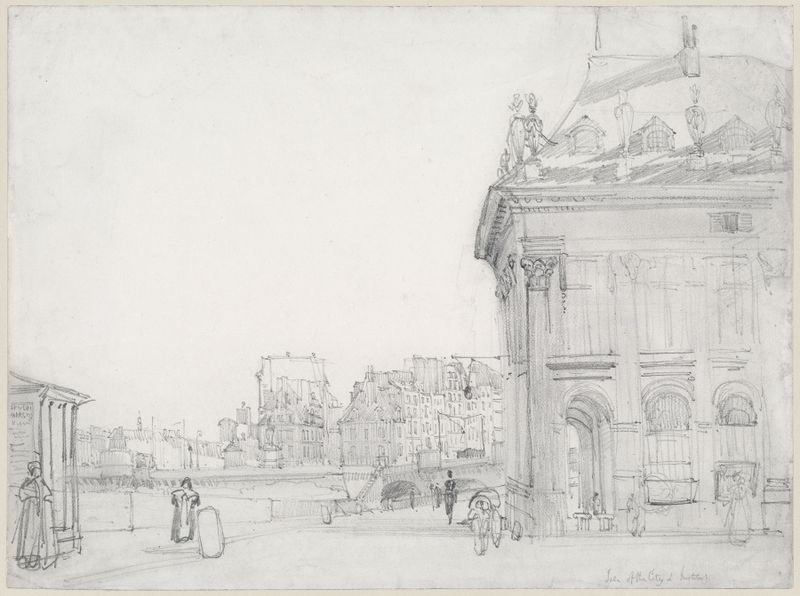
Ile de la Cité from the Institut, Paris
Thomas Shotter Boys
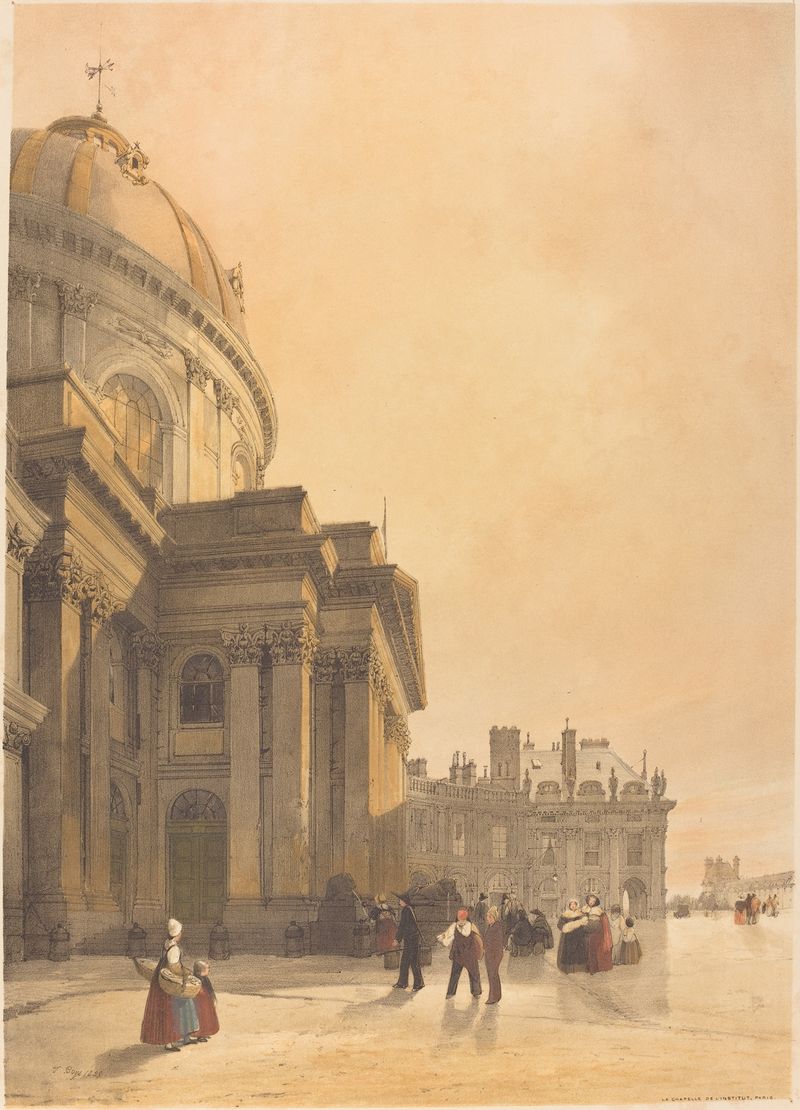
La Chapelle de l’Institut, Paris
Thomas Shotter Boys
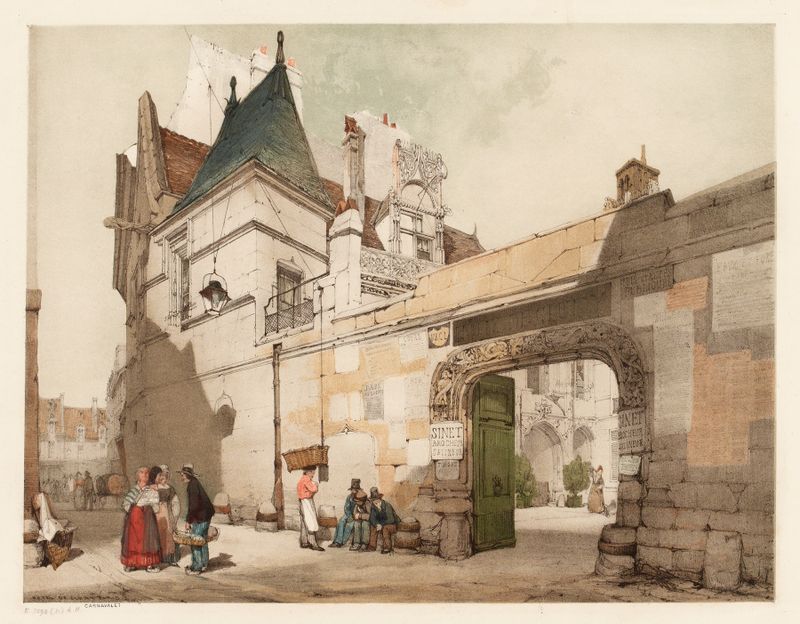
Hôtel de Cluny, Paris
Thomas Shotter Boys





