
Nymph and Satyr — History & Facts
In Nymph and Satyr, we see a lush, vibrant setting filled with greenery and soft, warm colors. The figures of the nymph and satyr are intertwined, showcasing their playful interaction. The nymph appears graceful, with flowing hair and a delicate pose, while the satyr has a more robust and mischievous demeanor.
Together, they embody the themes of nature and mythology. The painting is characterized by its rich color palette, with greens, browns, and soft pastels dominating the scene. Axentowicz employs fluid brushstrokes to create a sense of movement and life in the figures. The attention to detail in the textures of the foliage and the figures' skin adds depth to the composition.
This work exemplifies the Symbolist style, focusing on emotional expression and mythological themes. Teodor Axentowicz was a Polish painter known for his Symbolist works that often depicted mythological subjects. Nymph and Satyr reflects his fascination with the interplay between nature and human emotion. An interesting fact about this painting is that it was created during a period when Symbolism was gaining popularity in Europe, influencing many artists of the time.
Axentowicz's unique approach combines traditional techniques with a modern sensibility.
More Artworks by Teodor Axentowicz
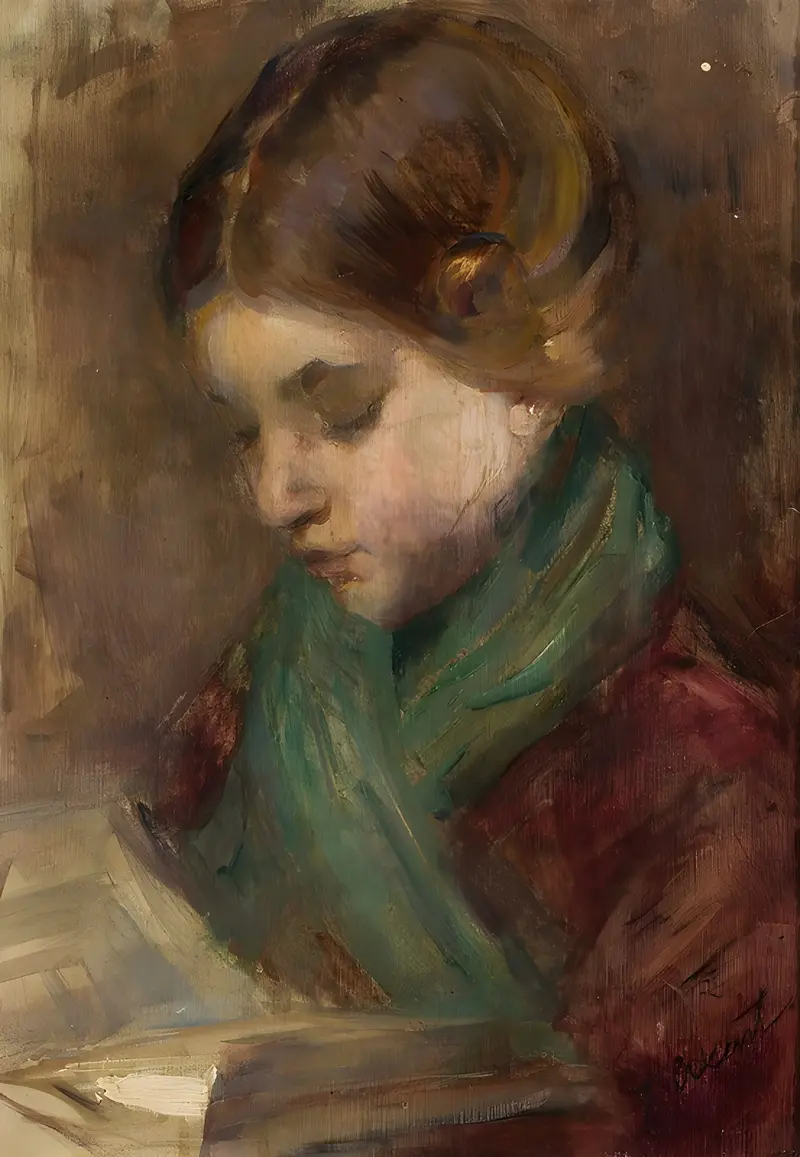
Portrait of a girl
Teodor Axentowicz

Vision – memory
Teodor Axentowicz

Jordanfest
Teodor Axentowicz

III Wystawa Towarzystwa Artystów Polskich ‘Sztuka’
Teodor Axentowicz
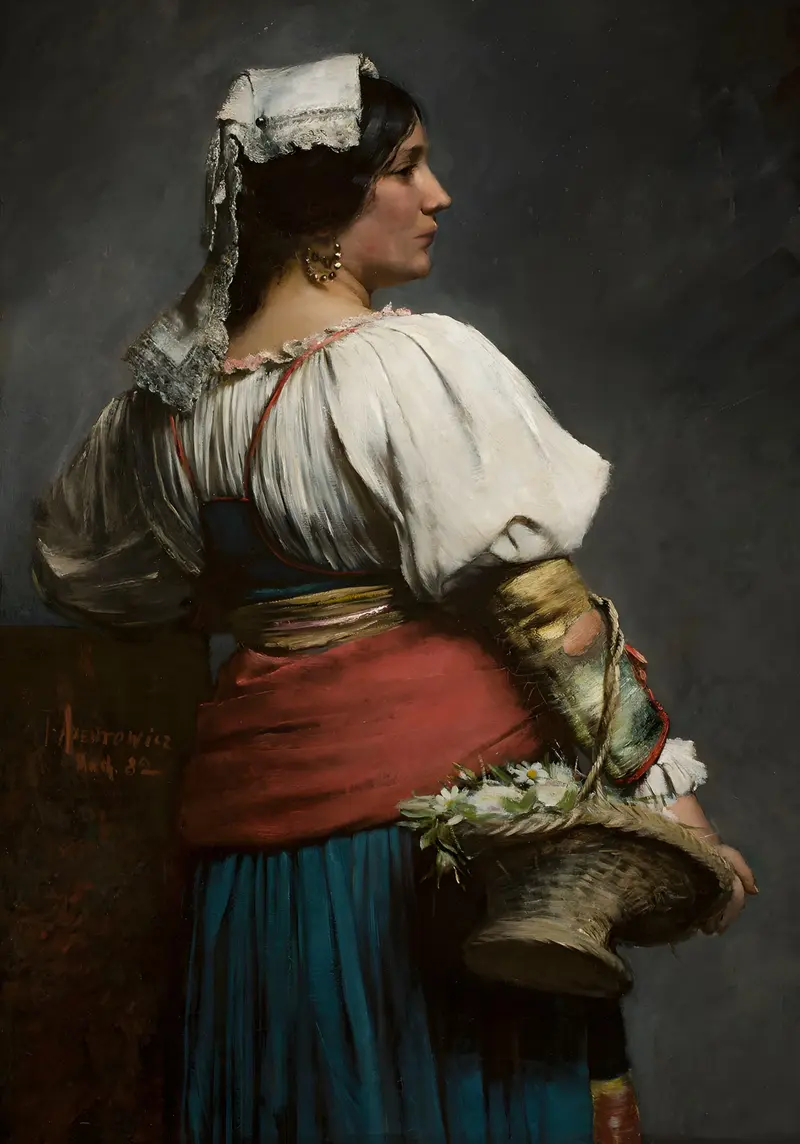
Italian florist
Teodor Axentowicz
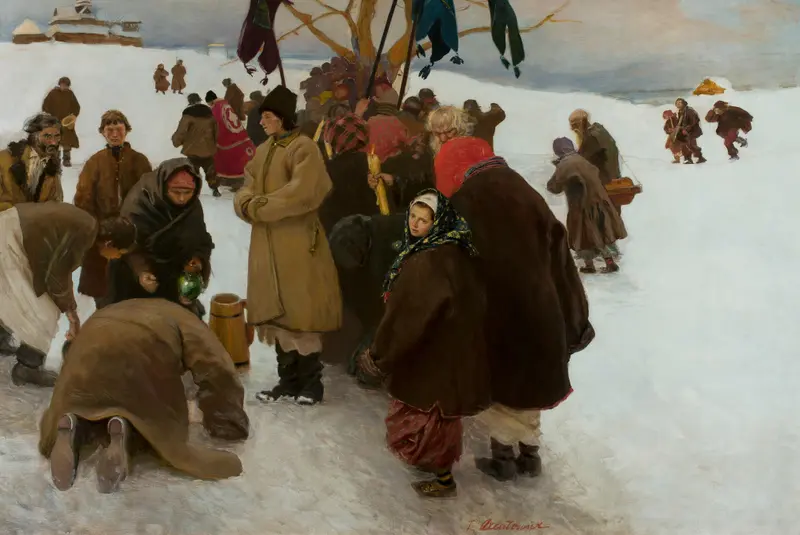
Feast of Jordan
Teodor Axentowicz
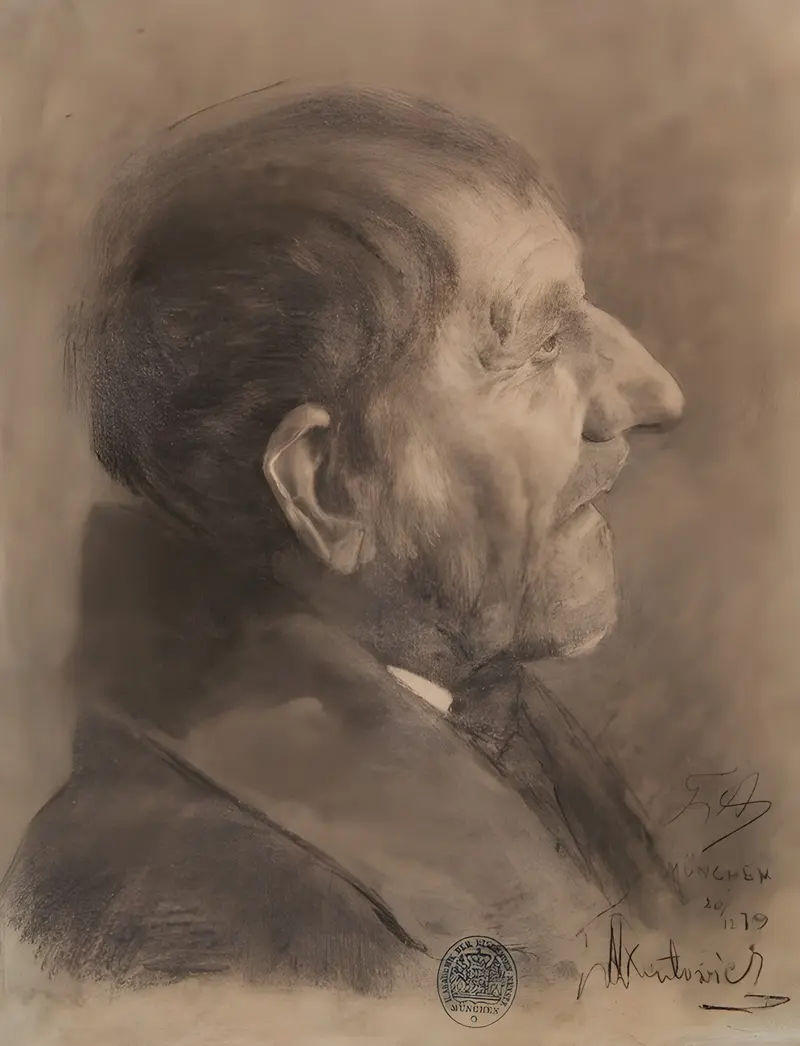
Head of an elderly man
Teodor Axentowicz
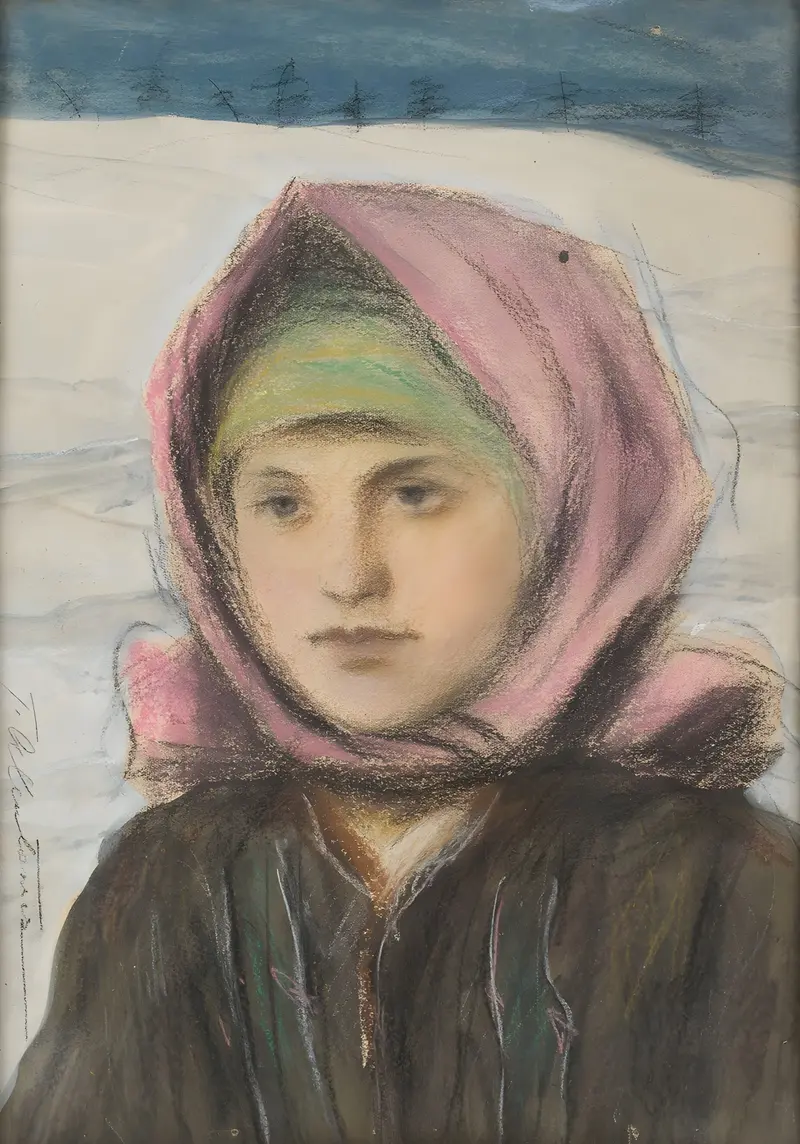
Highlander woman
Teodor Axentowicz
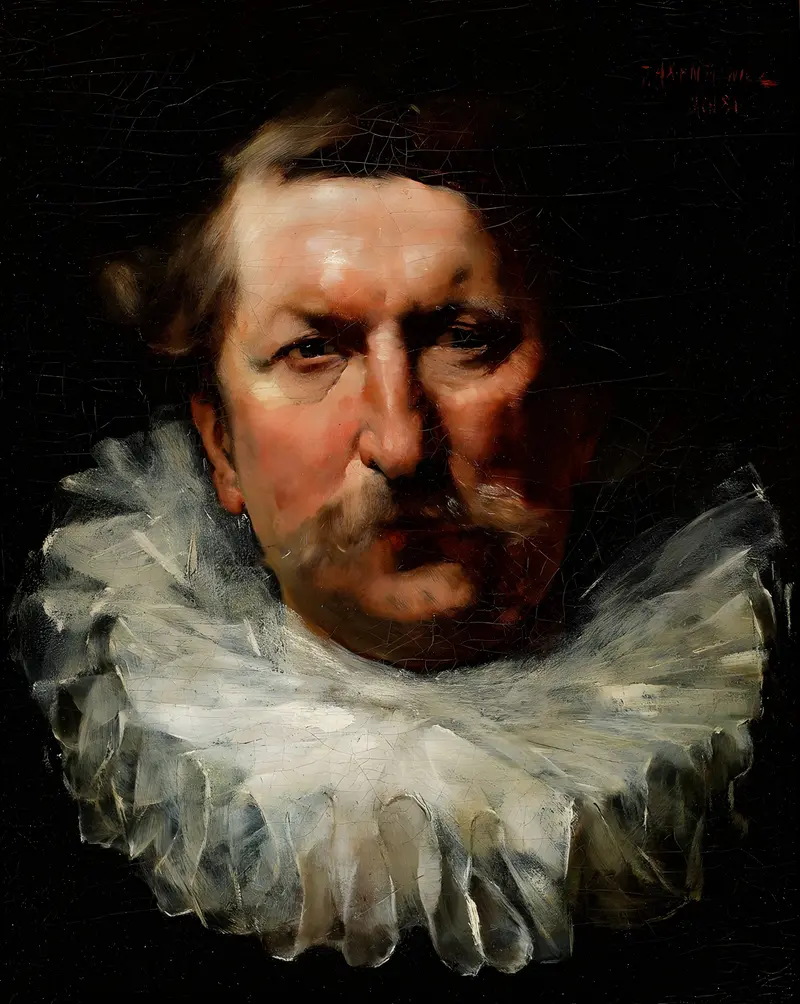
Portrait of a man in a frill
Teodor Axentowicz
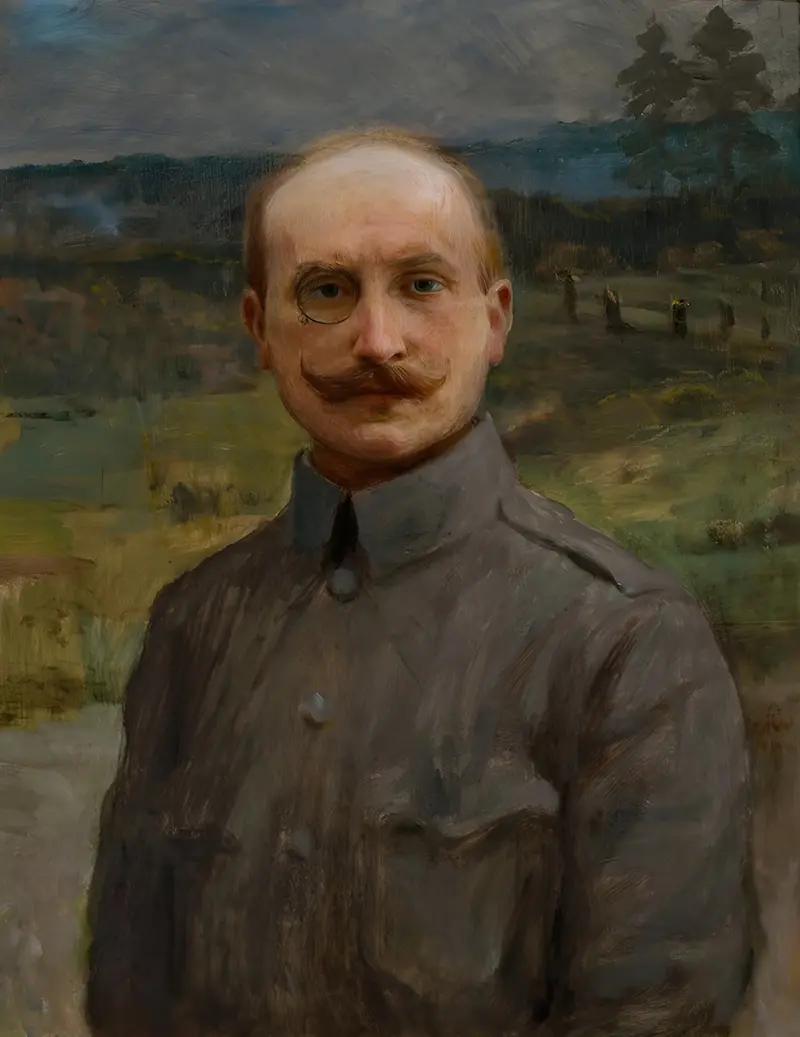
Portrait of Dr Adolf Sternschuss
Teodor Axentowicz





