Nymphéas — History & Facts
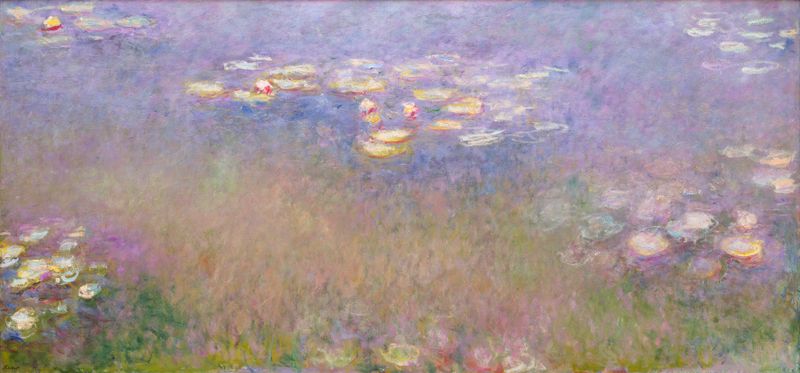
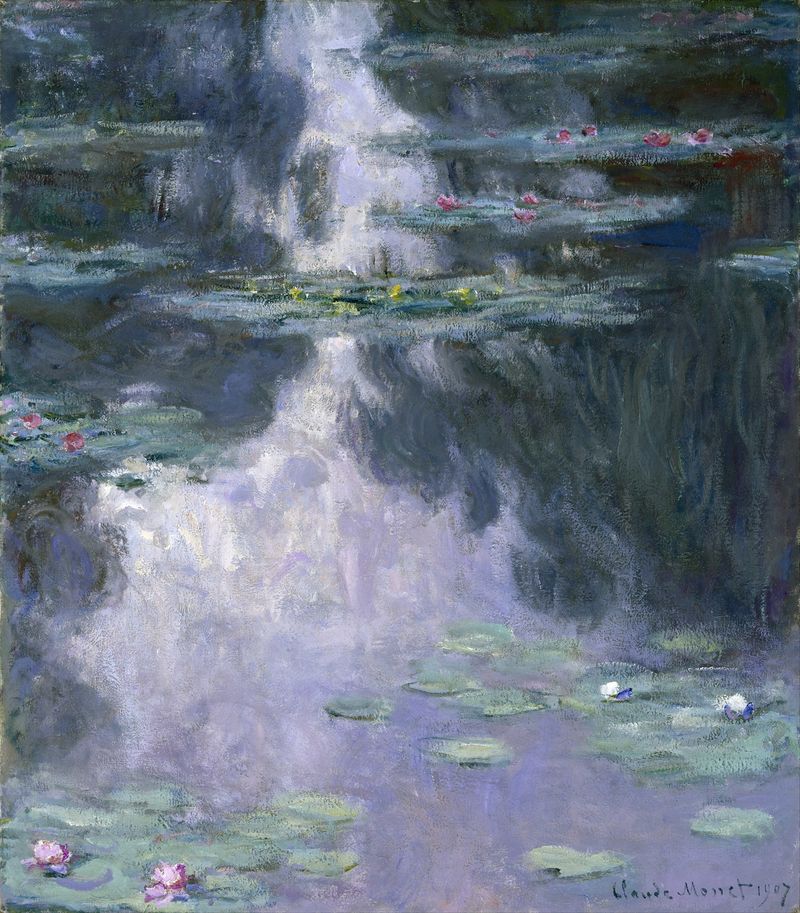
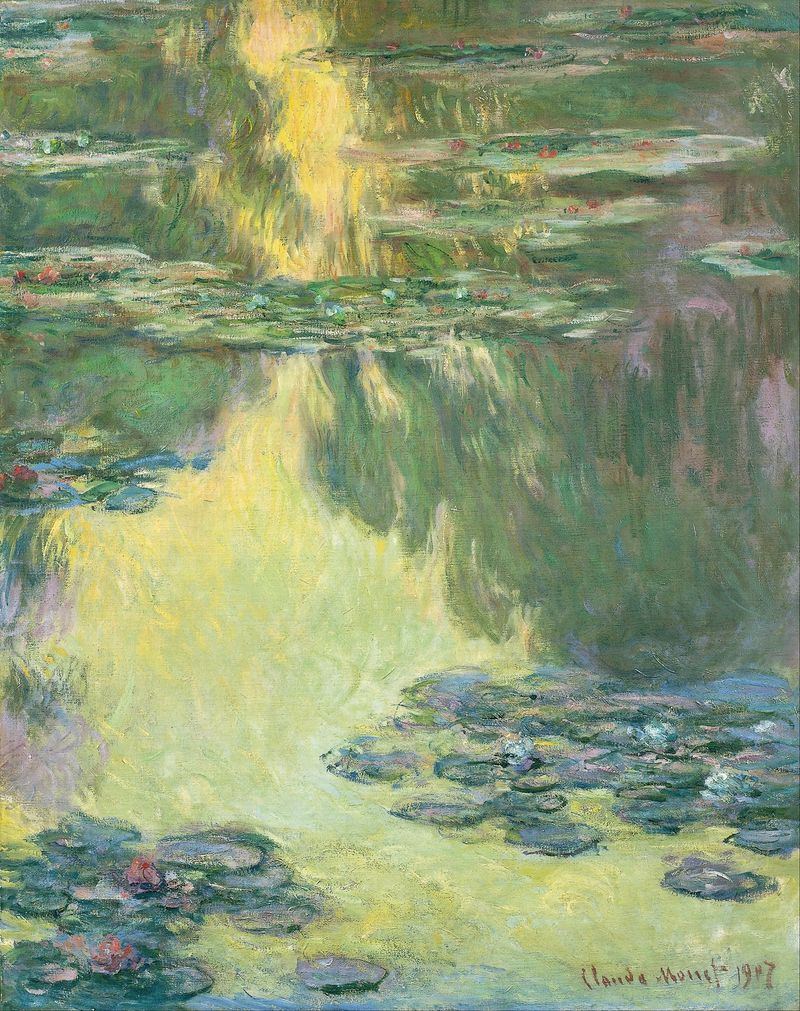
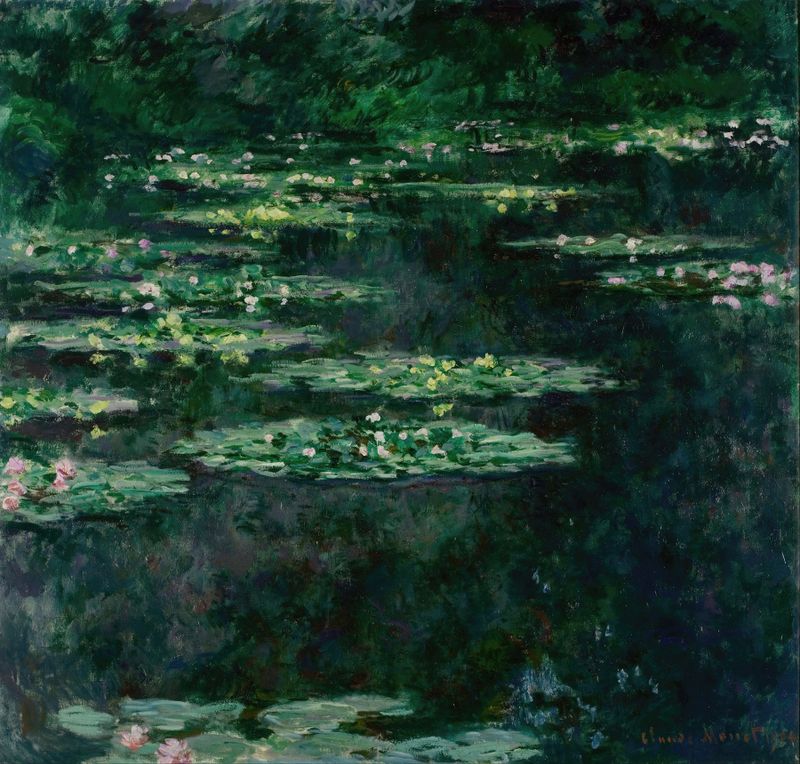
What secret hides in the quiet of the canvas? In Nymphéas, a breathtaking serenity envelops viewers, inviting a sense of wonder that transcends the confines of time and space. Look to the center, where the delicate lilies float effortlessly upon the water’s surface, their petals rendered with soft, vibrant strokes that seem almost to breathe. Notice the lush greens and muted blues that envelop them, blurring the boundaries between water and sky. The gentle interplay of light and shadow creates a rhythm, drawing your gaze deeper into the tranquil embrace of the scene.
It’s as though Monet captured a fleeting moment, inviting you to linger in the ephemeral beauty of nature. Delve further, and you might uncover a deeper tension between stillness and motion. The reflections ripple across the water—a reminder that time is in constant flux, even in seemingly static environments. The cool hues harmonize and contrast with bursts of warmer colors, hinting at the vibrant life hidden beneath the surface.
This duality evokes feelings of peace yet beckons the viewer to question the transience of beauty itself. In 1907, Monet was immersed in his water lily series, painting in his garden at Giverny. This period marked a turning point in his exploration of light and color, as he sought to capture the fleeting effects of nature. The world of art was shifting toward modernism, with Impressionism establishing its foothold.
As Monet painted, he pushed boundaries, challenging perceptions and embracing the poetic nature of his surroundings.