Nymphéas, temps gris — History & Facts
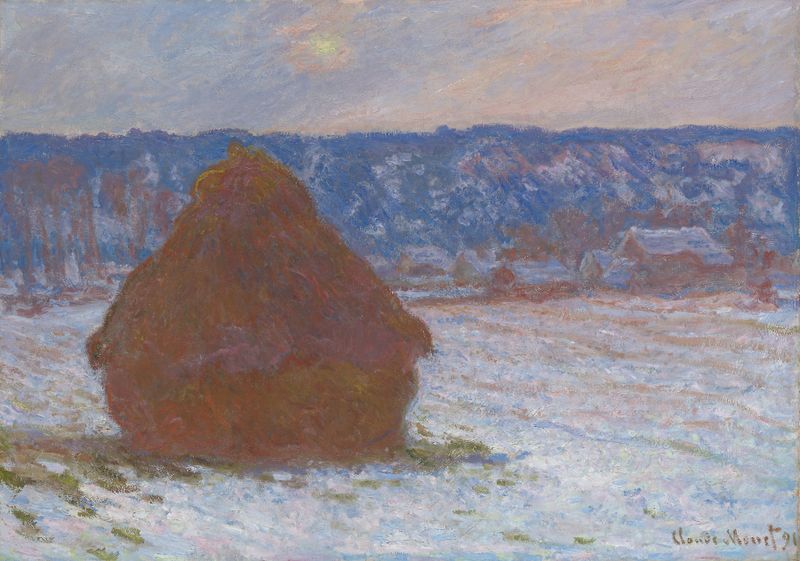
Can beauty exist without sorrow? In Nymphéas, temps gris, the duality of nature's tranquility whispers secrets of awakening and loss. Focus on the gentle hues that blend seamlessly across the canvas, where soft blues and grays intertwine with the muted greens of lily pads. Notice how the light dances upon the water’s surface, creating a shimmering effect that captivates the eye. The brushstrokes are both fluid and intentional, evoking an ethereal atmosphere that invites viewers to delve deeper into this serene yet haunting scene. Within this seemingly calm setting, the delicate lilies float, emblematic of fragile beauty amid the melancholy of the overcast sky.
The stillness of the water contrasts sharply with the weight of the clouds above, suggesting a tension between hope and despair. This juxtaposition hints at the complexities of existence, where moments of calm can simultaneously harbor the essence of loss, urging a reflection on the nature of life itself. In the summer of 1907, Monet created this work in his beloved garden at Giverny, where he found solace in the landscape. He was grappling with his own personal challenges, including the loss of his beloved wife, and during this period, Impressionism was evolving as artists began to explore deeper emotional themes.
This painting reflects not only Monet’s personal journey but also the broader transition in art towards more introspective and poignant expressions.