
Nymphs after Bathing — History & Facts
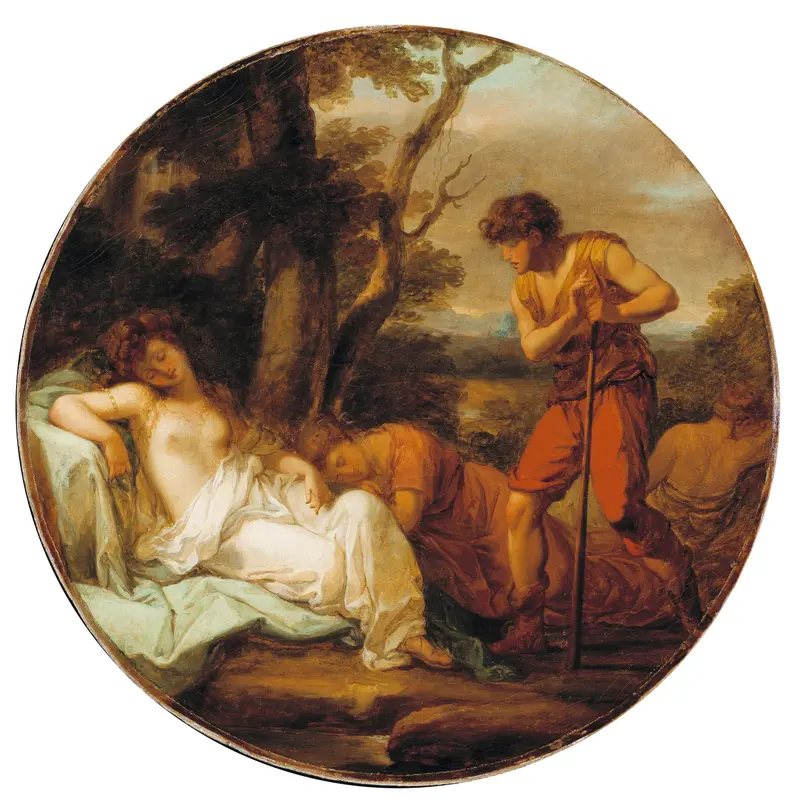
In Nymphs after Bathing, Angelica Kauffmann presents a serene scene filled with soft colors and delicate figures. The nymphs, depicted in various poses, exude a sense of tranquility and beauty. The setting is lush and natural, enhancing the overall feeling of peace.
The gentle play of light adds a dreamlike quality to the composition. The painting is executed in oil on canvas, a common medium for the Rococo style. Kauffmann's technique showcases her skill in rendering flesh tones and textures, particularly in the depiction of the nymphs' skin. The use of pastel colors contributes to the light and airy atmosphere of the work.
Viewers can appreciate the intricate details in the drapery and the natural surroundings. Angelica Kauffmann was a prominent female artist in the 18th century, known for her contributions to the Rococo movement. This work reflects her interest in mythological themes and the female form. An interesting fact about Nymphs after Bathing is that it exemplifies Kauffmann's ability to blend classical themes with a distinctly feminine perspective.
The painting remains a testament to her talent and the role of women in art history.
More Artworks by Angelica Kauffmann
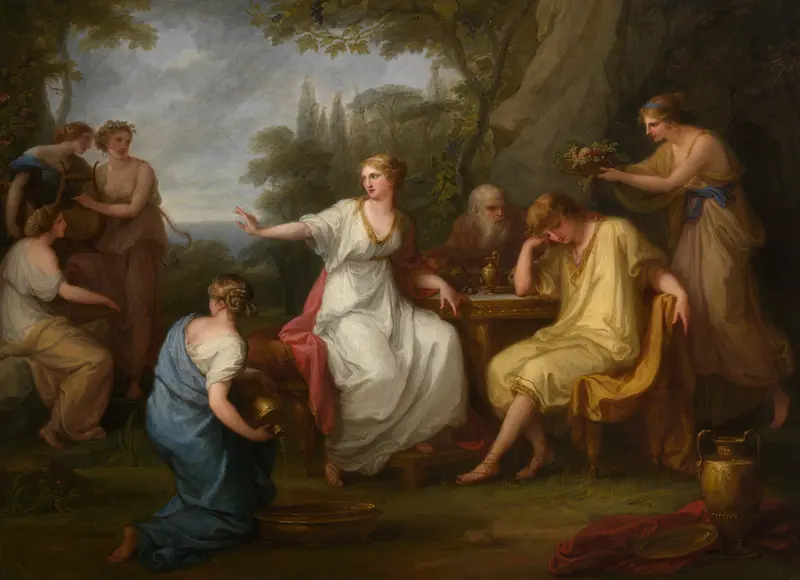
The Sorrow of Telemachus
Angelica Kauffmann

Portrait Of A Lady As A Vestal Virgin
Angelica Kauffmann
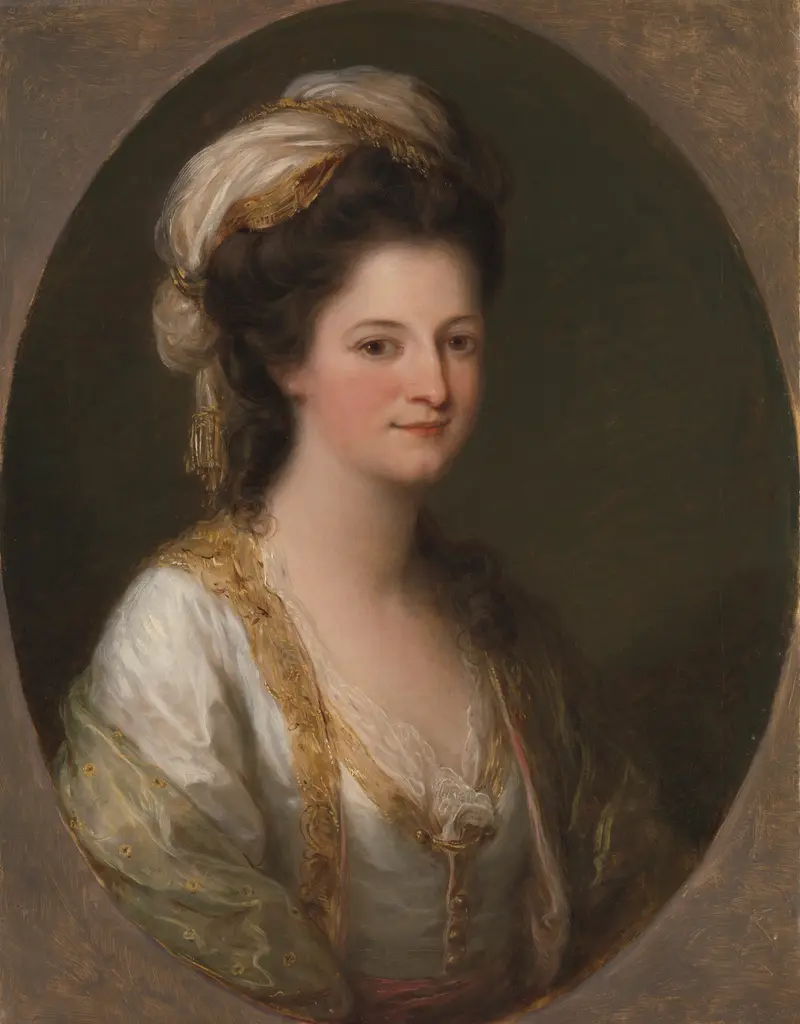
Portrait of a woman, traditionally identified as Lady Hervey
Angelica Kauffmann
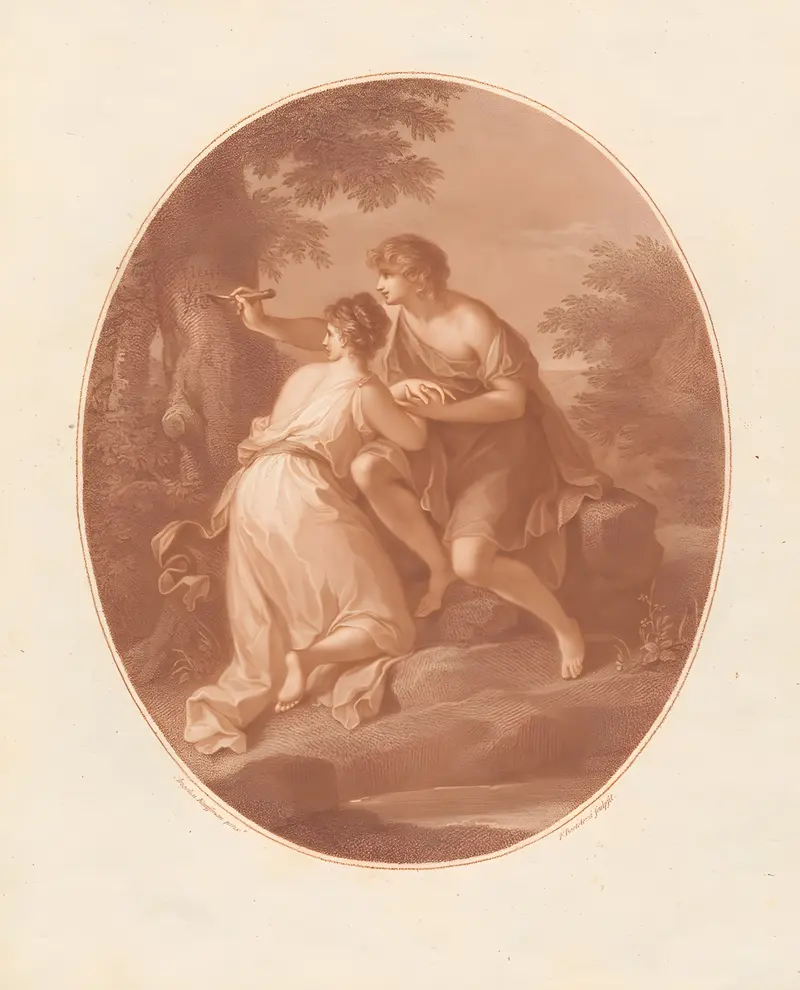
Paris and Oenone
Angelica Kauffmann
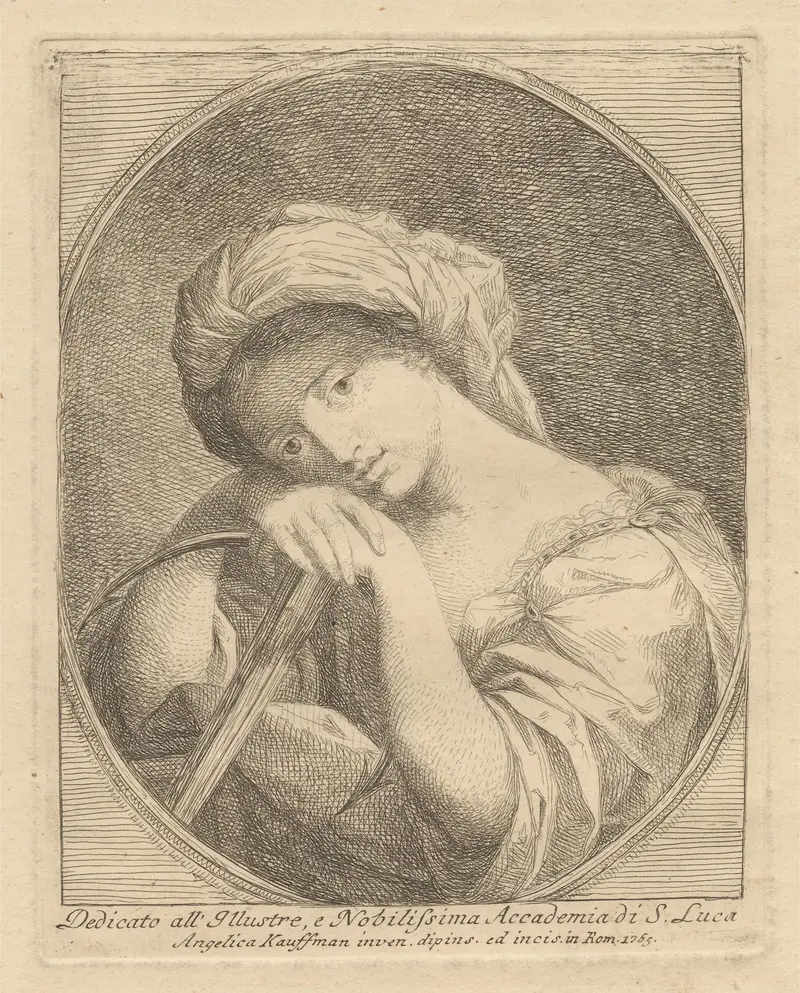
Bust of a Young Woman with Flowers in Her Hair
Angelica Kauffmann
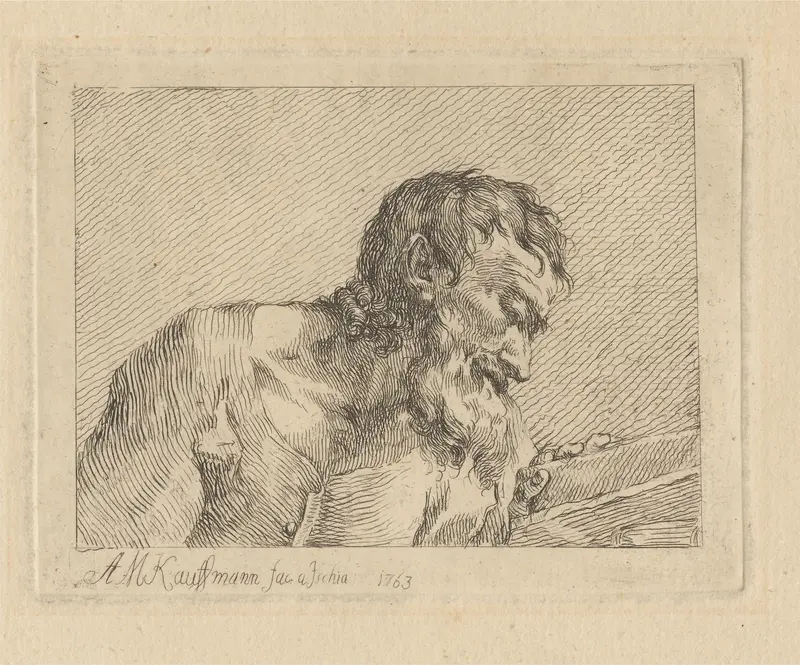
Bust of an Old Man.
Angelica Kauffmann
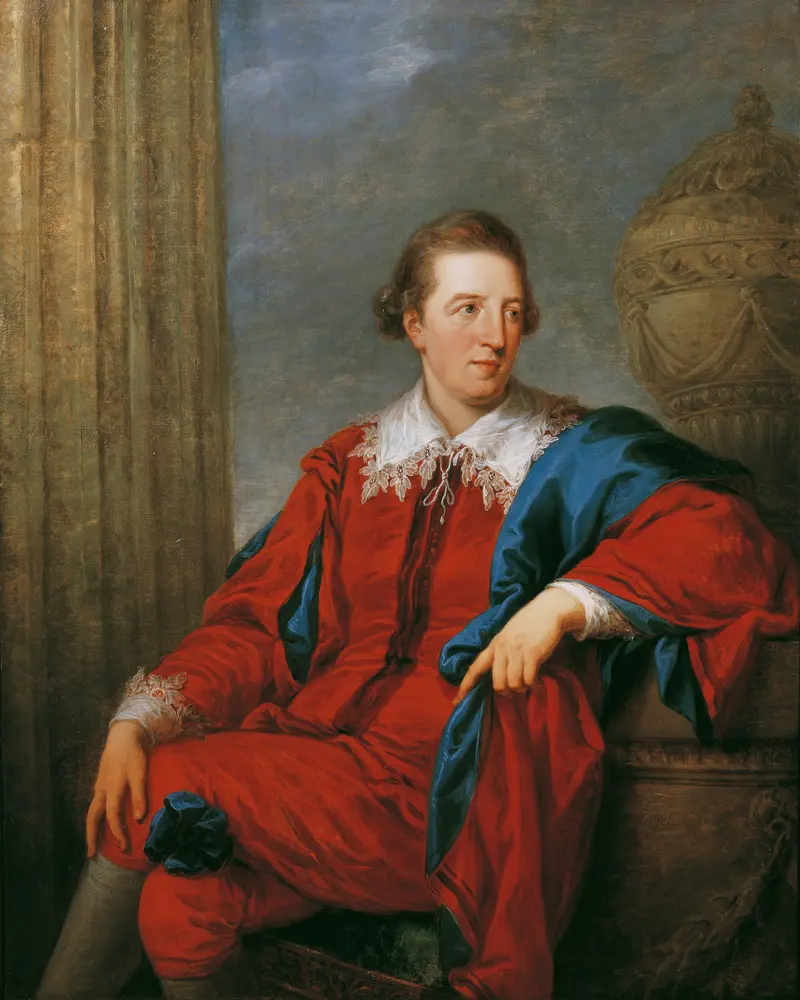
John Simpson, der Vater von Maria Susanna Lady Ravensworth
Angelica Kauffmann
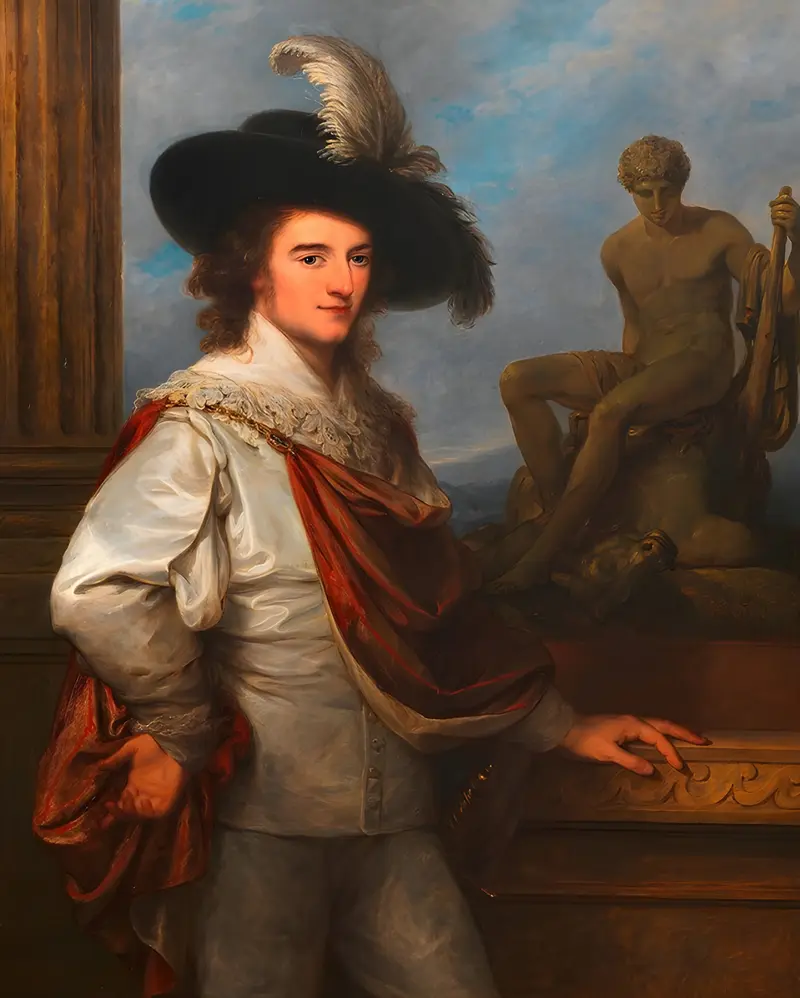
Josef Johann Graf Fries
Angelica Kauffmann
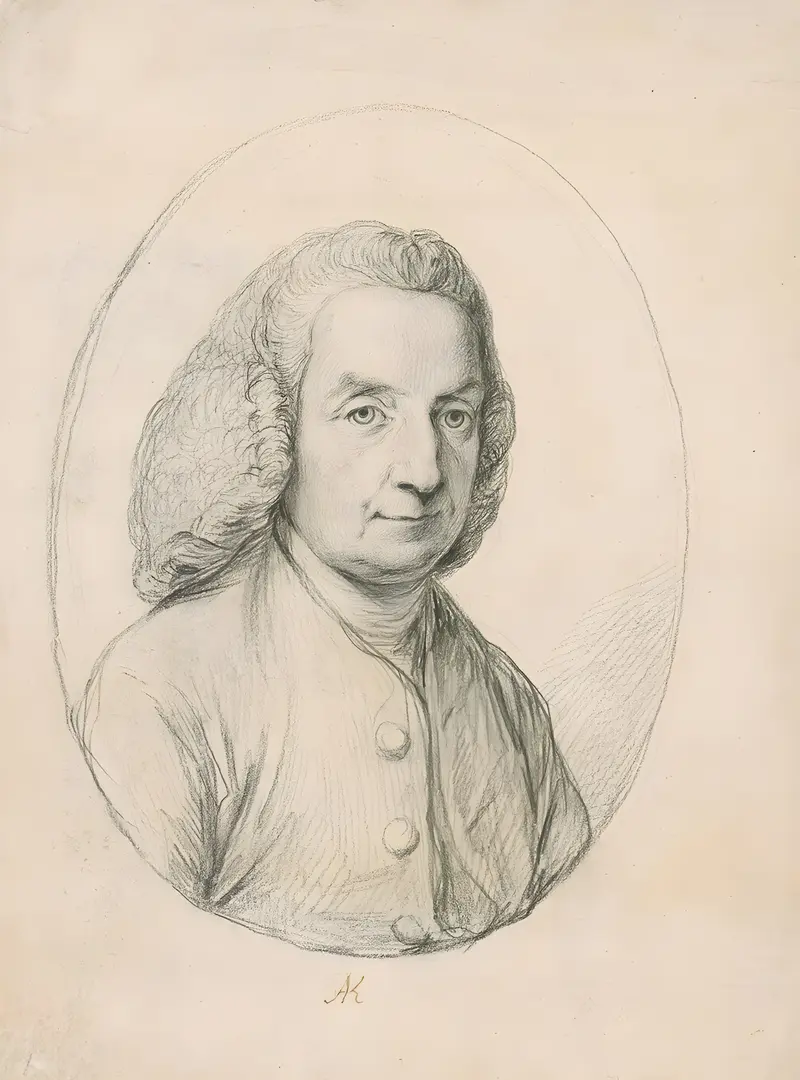
Judge George Robert Hellen (1725-1793)
Angelica Kauffmann
Cymon and Iphigenia
Angelica Kauffmann





