Observation of Fire — History & Facts
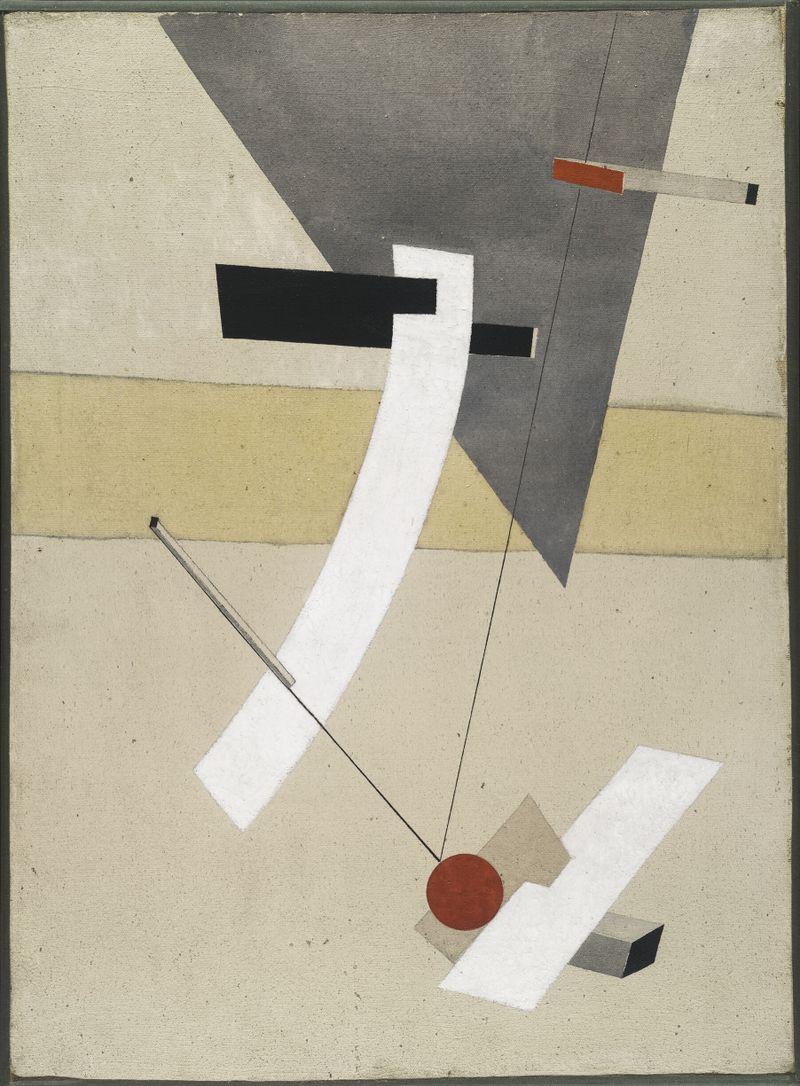
This notion echoes through the tumultuous layers of Observation of Fire, where chaos unfurls a narrative drenched in intensity. The artwork invites the viewer to confront the duality of destruction and grace, capturing the essence of turmoil that often eludes our gaze. Look at the swirling colors that dominate the canvas, where deep reds and blacks wrestle for attention amid flickering hints of gold. The fiery hues seem to pulse with life, drawing your eye into a dance of movement.
Notice how the chaotic brushstrokes create a sense of urgency, suggesting a moment caught between the spark of creation and the threat of obliteration. The gold accents, like fleeting memories of beauty, shimmer against the darker tones, begging for recognition amidst the chaos. In this artwork, there lies a tension between despair and allure. The flames symbolize uncontrollable forces, while the golden elements serve as a beacon, reflecting the fleeting nature of beauty in turmoil.
This duality compels a reflection on how chaos can both destroy and illuminate, making viewers question what lies beneath the surface of their own experiences. Each glance reveals the struggle between light and darkness, a reminder that even in the depths of chaos, there exists a spark of hope. Created during a period of exploration and innovation in the art world, the painting reflects the artist's engagement with themes of conflict and beauty. While the exact date of production remains unknown, it is clear that Observation of Fire showcases the artist's response to a rapidly changing world, marked by personal and societal upheaval.
In this context, the work speaks to a universal experience, capturing the tumult that defines human existence.