
Obweebetuck — History & Facts
In the quiet sanctuary of creativity, moments can transcend the mundane, capturing the ethereal essence of divinity. Look to the center of the canvas where a serene landscape unfolds, bathed in soft, golden hues. The interplay of light dances across the water’s surface, while trees arch gracefully overhead, their leaves whispering secrets to the wind. Notice how the colors blend seamlessly, a tender embrace of greens and blues, evoking a sense of harmony that feels both natural and sacred, inviting you to step into a tranquil reverie. As you explore the edges of the composition, subtle contrasts emerge.
The vibrancy of nature teeters against the stillness of water, creating a dialogue between movement and calm. This juxtaposition reflects the duality of existence—where earthly beauty intertwines with a sense of the divine, hinting at a greater spirituality enveloped within the ordinary. The shimmering reflections suggest deeper layers, inviting viewers to ponder their place within the tapestry of life. In the early 1900s, Julian Alden Weir created Obweebetuck during his time at the Weir Farm in Connecticut, a pivotal period for the American Impressionist movement.
As artists embraced plein air painting, he sought to capture the intimate relationship between nature and humanity, amidst a rapidly changing world. His landscape serves not only as a visual feast but also as an exploration of the divine within the natural world.
More Artworks by Julian Alden Weir
Browse all →
My Back Yard no. 1
Julian Alden Weir
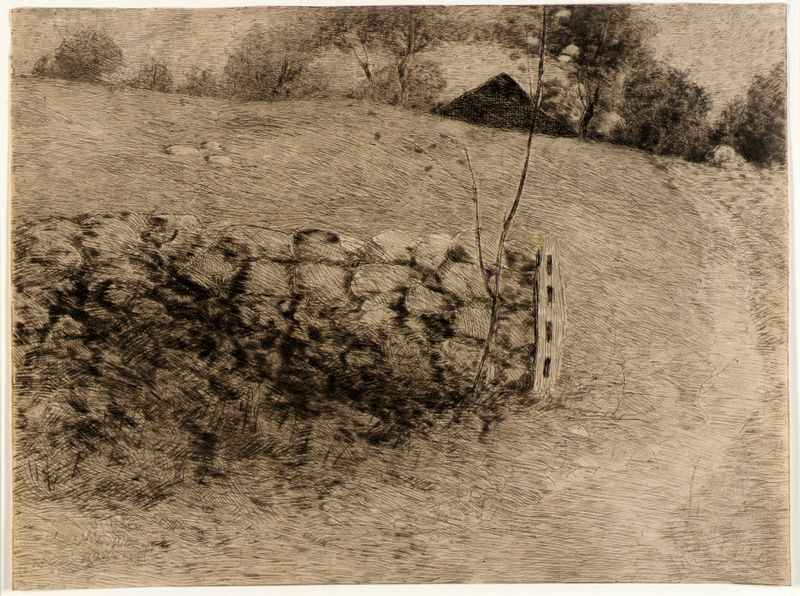
The Barn Lot
Julian Alden Weir

The Webb Farm
Julian Alden Weir
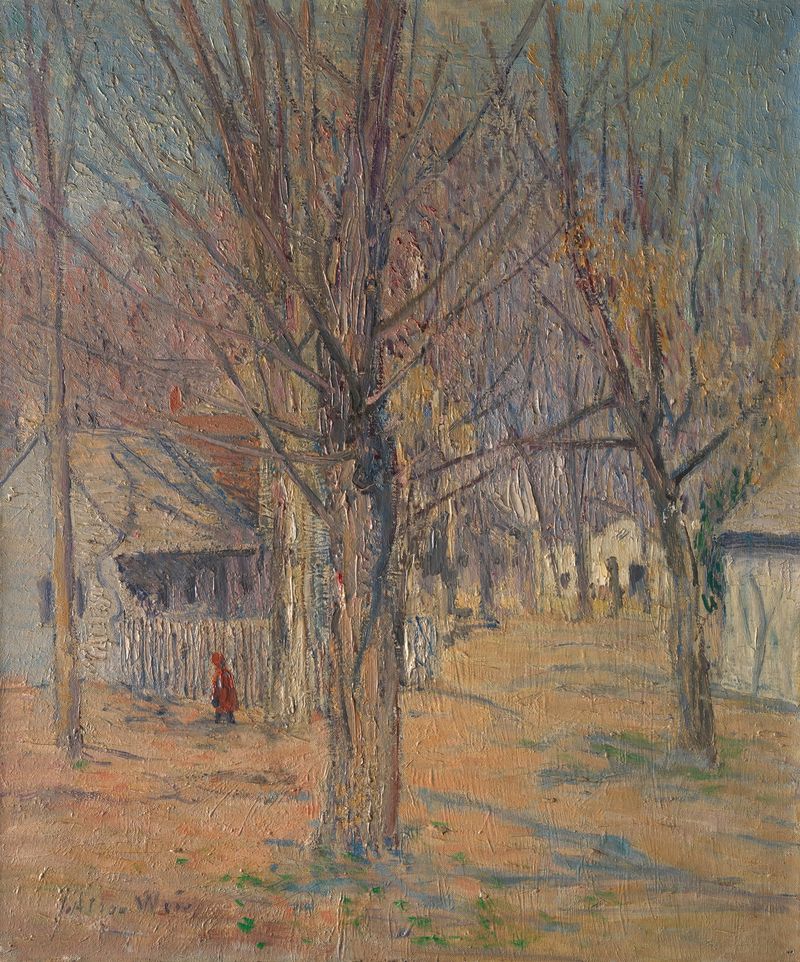
Connecticut Village (Going to School)
Julian Alden Weir

The Stone Bridge
Julian Alden Weir

The Webb Farm 2
Julian Alden Weir
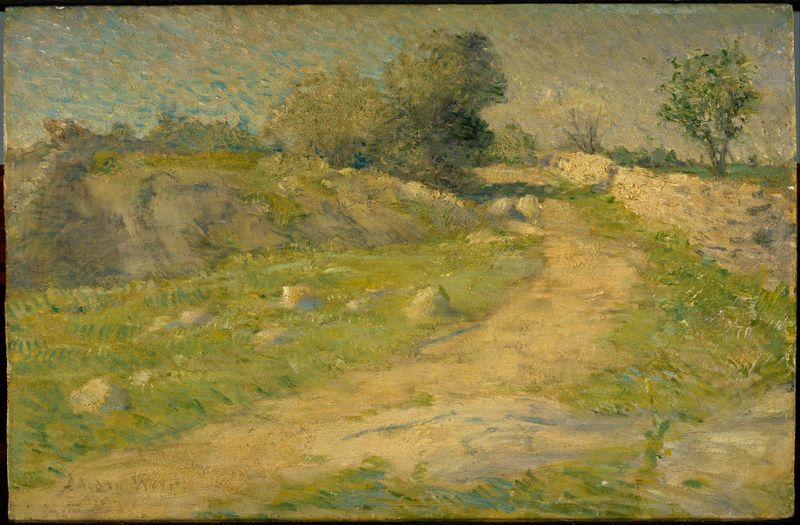
The Lane
Julian Alden Weir
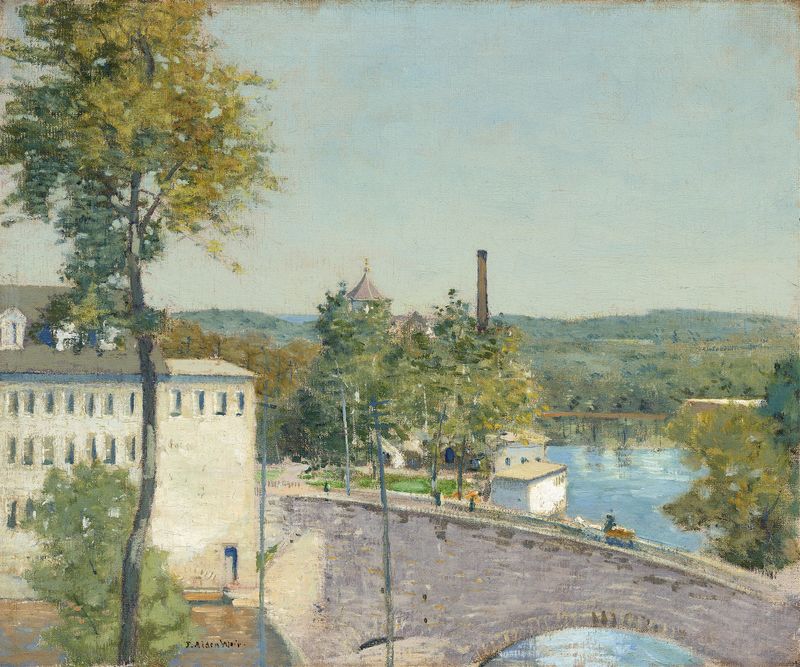
U.S. Thread Company Mills,Willimantic,Connecticut
Julian Alden Weir

Neighboring Farm
Julian Alden Weir

Coon Alley
Julian Alden Weir





