
Ocean Cliffs — History & Facts
Can beauty exist without sorrow? In Ocean Cliffs, we are invited into a realm where serenity mingles with an undercurrent of longing, evoking the dreamlike quality of a fleeting memory. Look to the horizon where the rolling waves meet the dramatic cliffs, masterfully painted with rich, deep blues and earthy greens. The interplay of light accentuates the contours of the cliffs, casting shadows that create a sense of depth and texture. Notice how the sky transitions from luminous whites to soft pastels, suggesting the calming embrace of dawn or dusk.
This careful manipulation of color and form draws the viewer's eye across the canvas, inviting a contemplative journey through Bannister’s landscape. Yet, amidst this breathtaking beauty lies an emotional depth. The jagged cliffs, while majestic, symbolize the struggles inherent in nature and life itself. The crashing waves whisper of both power and fragility, hinting at the tension between tranquility and a hidden tumult.
Each brushstroke speaks to the dual nature of existence — beauty and sorrow woven intricately together, reflecting the artist's own experiences and aspirations. In 1881, Edward Mitchell Bannister painted this artwork during a period of growth and change in his life, as he sought to establish himself within the predominantly white art community of Boston. His work emerged against a backdrop of shifting social dynamics and artistic movements, where he blended Impressionist elements with a profound emotional resonance. This painting stands as a testament to his journey and the rich, complex narratives he conveyed through his art.
More Artworks by Edward Mitchell Bannister
Browse all →
Landscape
Edward Mitchell Bannister
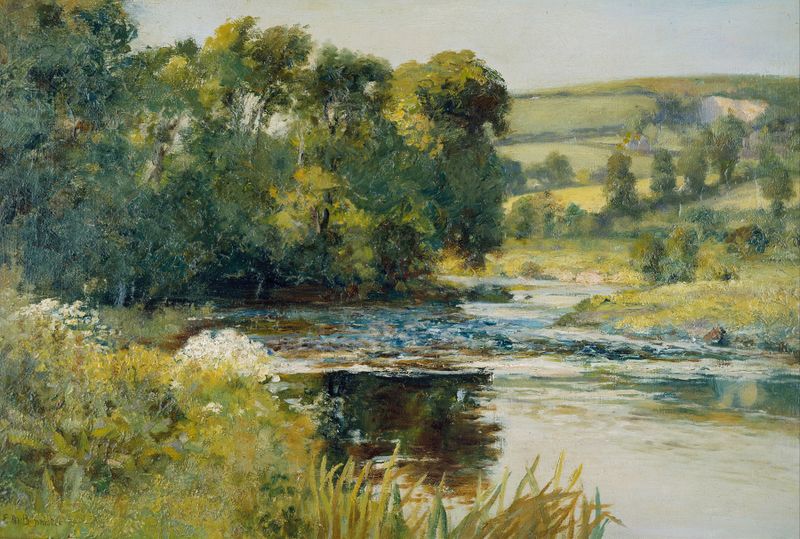
Streamside
Edward Mitchell Bannister

Untitled
Edward Mitchell Bannister

On the Seekonk
Edward Mitchell Bannister

Morning on the Shore
Edward Mitchell Bannister

Summer Twilight
Edward Mitchell Bannister
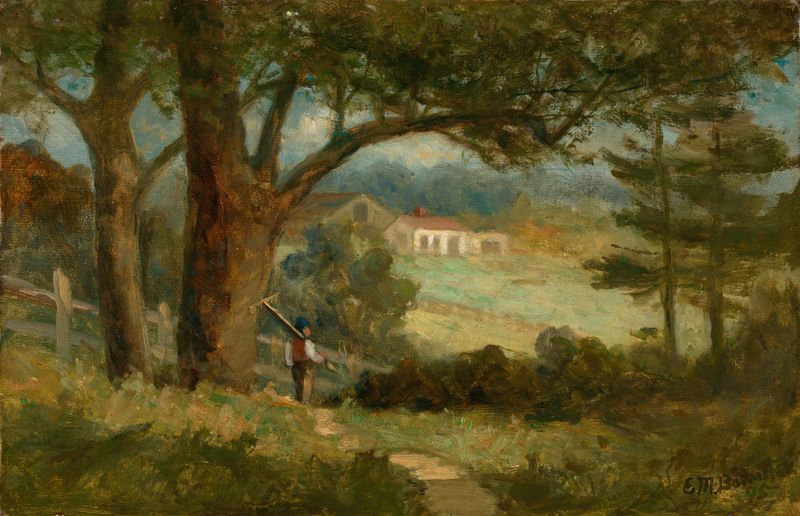
Homeward
Edward Mitchell Bannister
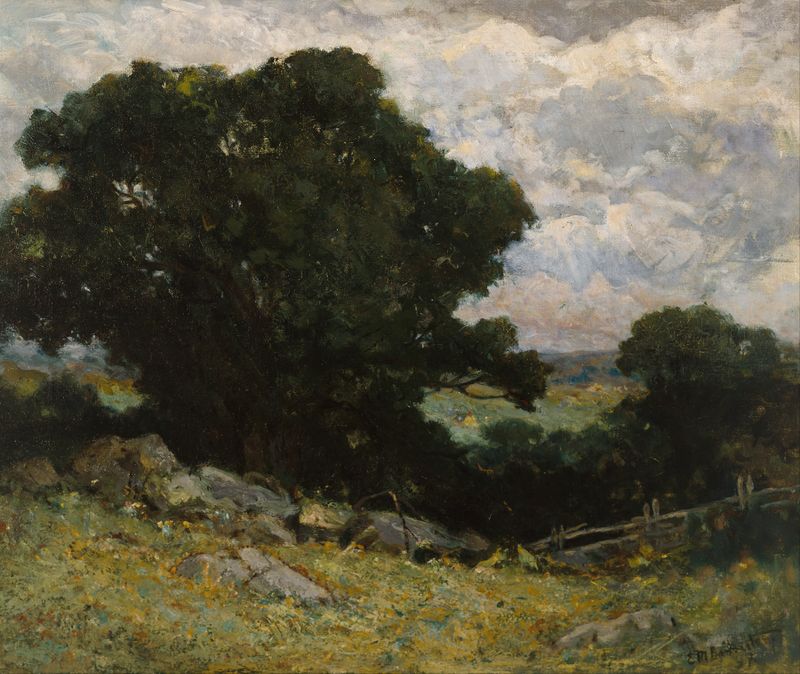
Landscape
Edward Mitchell Bannister
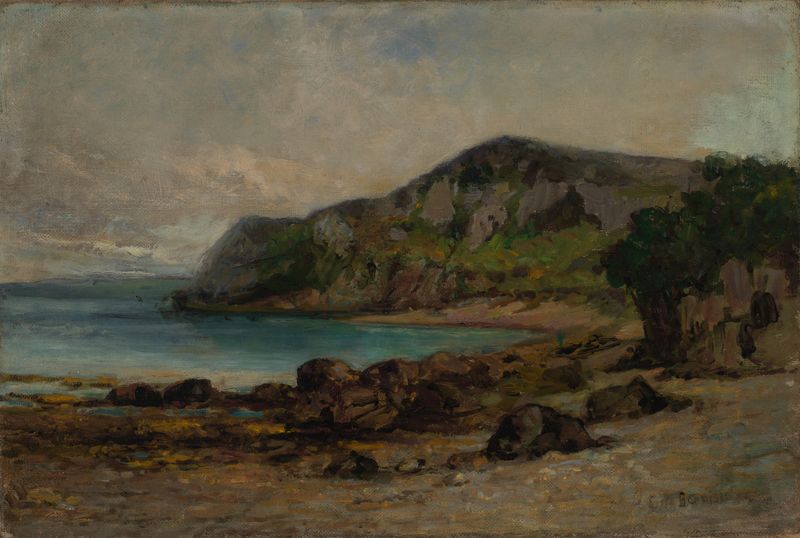
Rocks at Newport
Edward Mitchell Bannister

Sunset
Edward Mitchell Bannister





