
Ohne Titel (Bauernhaus) — History & Facts
Who listens when art speaks of silence? A stillness envelops the canvas, inviting viewers to pause and reflect upon the echoes of creation itself. Focus your gaze on the central farmhouse, its sturdy lines rendered with a somber palette of browns and muted greens. The textured brushstrokes imitate the rough surfaces of the building, conveying a sense of both permanence and vulnerability. Notice how the light, filtering through an unseen source, illuminates the roof, casting soft shadows that play across the surrounding fields.
Each stroke tells a story, emphasizing the solitude of the structure amidst the vastness of nature. Digging deeper, the juxtaposition of the farmhouse’s solidity against the ethereal quality of the surrounding landscape speaks volumes. The quietude of the scene suggests not just a physical space but an emotional landscape, reflecting the isolation and introspection of rural life in the early 20th century. There’s a palpable tension between the earthy tones of the house and the distant hints of shifting skies, inviting contemplation on the harmony and discord of existence. Around 1924, the artist worked in a Europe grappling with the aftermath of World War I.
Karl Wiener, living in Germany, was part of a movement that sought to reconnect personal experience with the broader narrative of societal change. During this period, artists like him were exploring themes of resilience and the impact of modernity on traditional life, crafting visual legacies that resonate even today.
More Artworks by Karl Wiener
Browse all →
Österreich
Karl Wiener

Vorstadt VII
Karl Wiener

Der Turm
Karl Wiener

Ohne Titel (Häuser mit Holzscheune)
Karl Wiener

Kopfstudie, aus; ‘Profile’, 10 Blätter, Graz XV
Karl Wiener

Steinberg
Karl Wiener
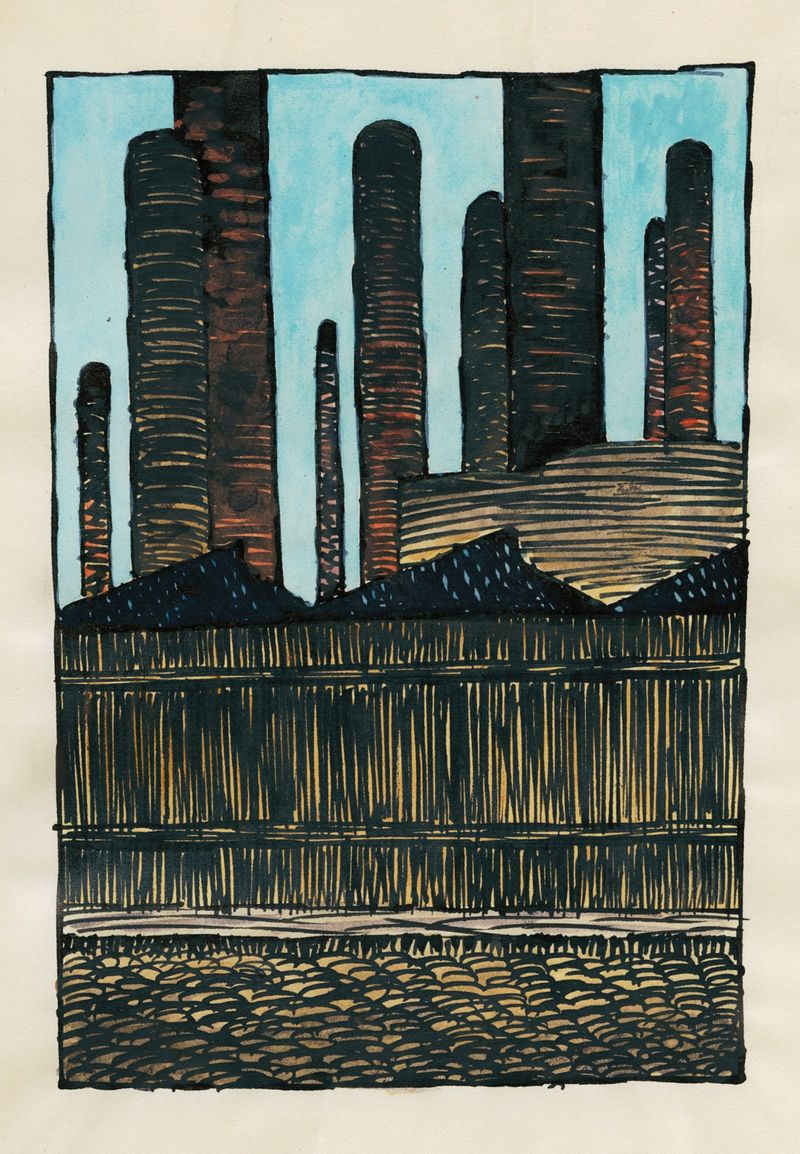
Kopfstudie, aus; ‘Profile’, 10 Blätter, Graz XIV
Karl Wiener

Ohne Titel (Bauernhaus mit Vorgarten)
Karl Wiener
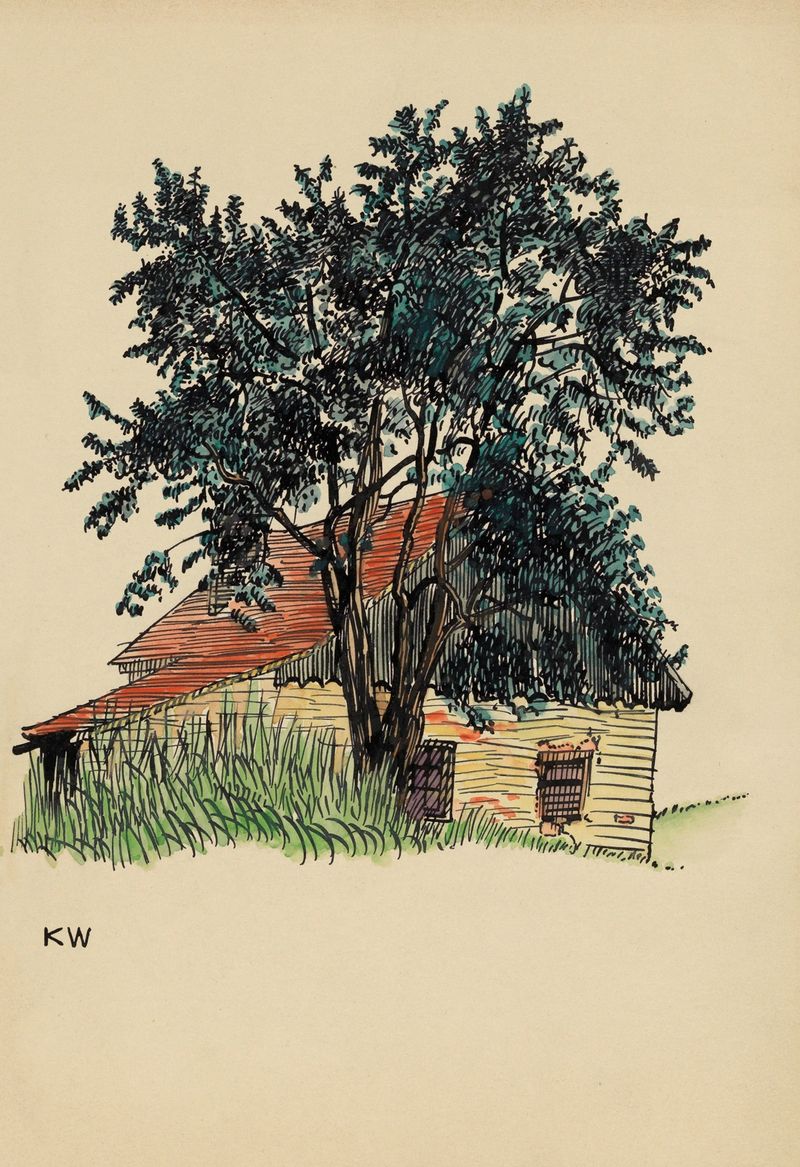
Ohne Titel (Bauernhaus)
Karl Wiener
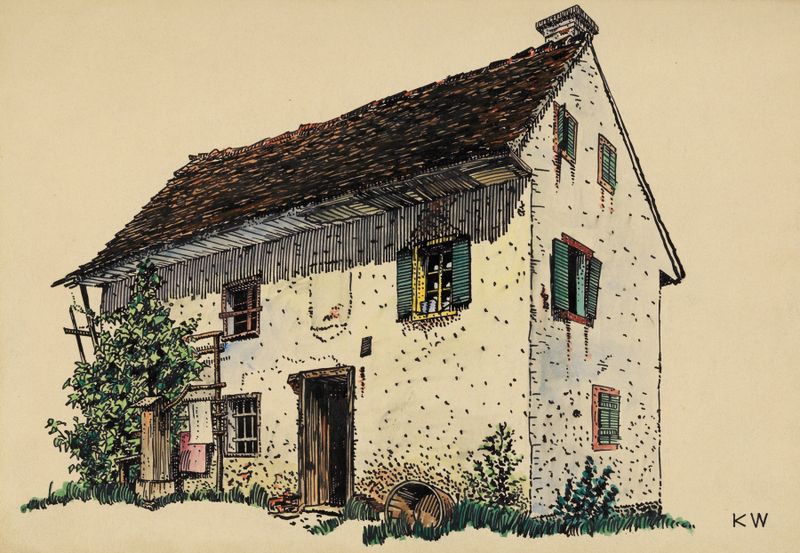
Ohne Titel (Bauernhaus)
Karl Wiener
More Architecture Art
Browse all →
The statue of Liberty
Frédéric Auguste Bartholdi

View of Houses in Delft, Known as ‘The Little Street’
Johannes Vermeer

View of Houses in Delft, Known as ‘The Little Street’
Johannes Vermeer

The Cathedral in Rouen. The portal, Grey Weather
Claude Monet

The yellow house
Vincent van Gogh

The Church in Auvers-sur-Oise, View from the Chevet
Vincent van Gogh