Ohne Titel (Strohballen) — History & Facts
In capturing fleeting moments, an artist confronts the ghosts of their past, invoking a visceral fear of oblivion. Look directly at the abstract forms that emerge from the canvas, where muted earth tones and strokes of vibrant yellow intersperse, creating a visual dialogue. The layering of texture compels you to trace the outlines of what appears to be hay bales; their rounded silhouettes seem almost to breathe. Notice how the light subtly dances across the surface, inviting both appreciation and unease, as if illuminating a memory long buried beneath the weight of time. Amidst the abstract shapes lies a profound tension, a juxtaposition between the familiarity of rural life and the haunting inevitability of decay.
The bales, sturdy yet fading, evoke both comfort and an unsettling reminder of transience. Each brushstroke represents not just a physical object, but the ephemeral nature of existence itself—what happens when the past slips away, leaving only traces behind. In the early 1920s, the artist found himself navigating the aftermath of World War I amidst the shifting artistic tides of the Weimar Republic in Germany. Ohne Titel (Strohballen) was painted during a time of great personal and societal upheaval, when the echoes of conflict still lingered in the air.
Embracing abstraction, he sought to transcend reality, reflecting both individuality and a collective consciousness shaped by loss and fear in a rapidly changing world.
More Artworks by Karl Wiener
Browse all →
Österreich
Karl Wiener

Vorstadt VII
Karl Wiener

Der Turm
Karl Wiener

Ohne Titel (Häuser mit Holzscheune)
Karl Wiener

Kopfstudie, aus; ‘Profile’, 10 Blätter, Graz XV
Karl Wiener

Steinberg
Karl Wiener
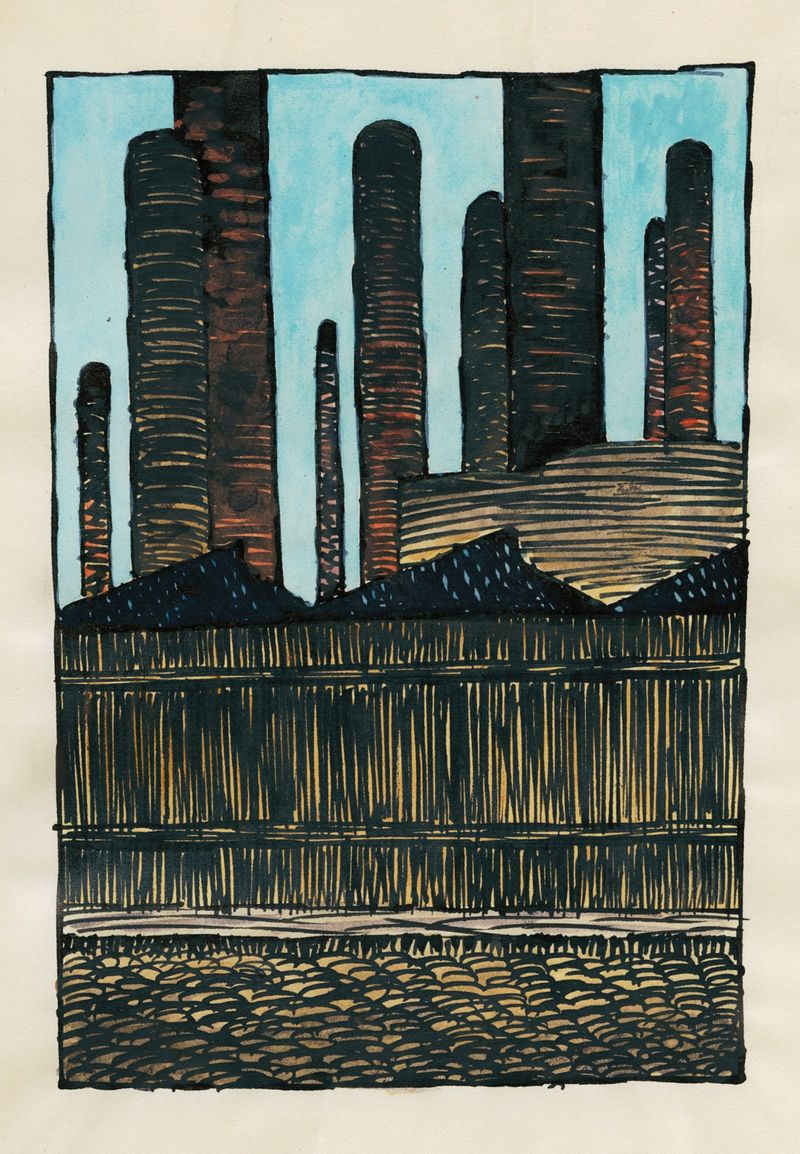
Kopfstudie, aus; ‘Profile’, 10 Blätter, Graz XIV
Karl Wiener

Ohne Titel (Bauernhaus mit Vorgarten)
Karl Wiener
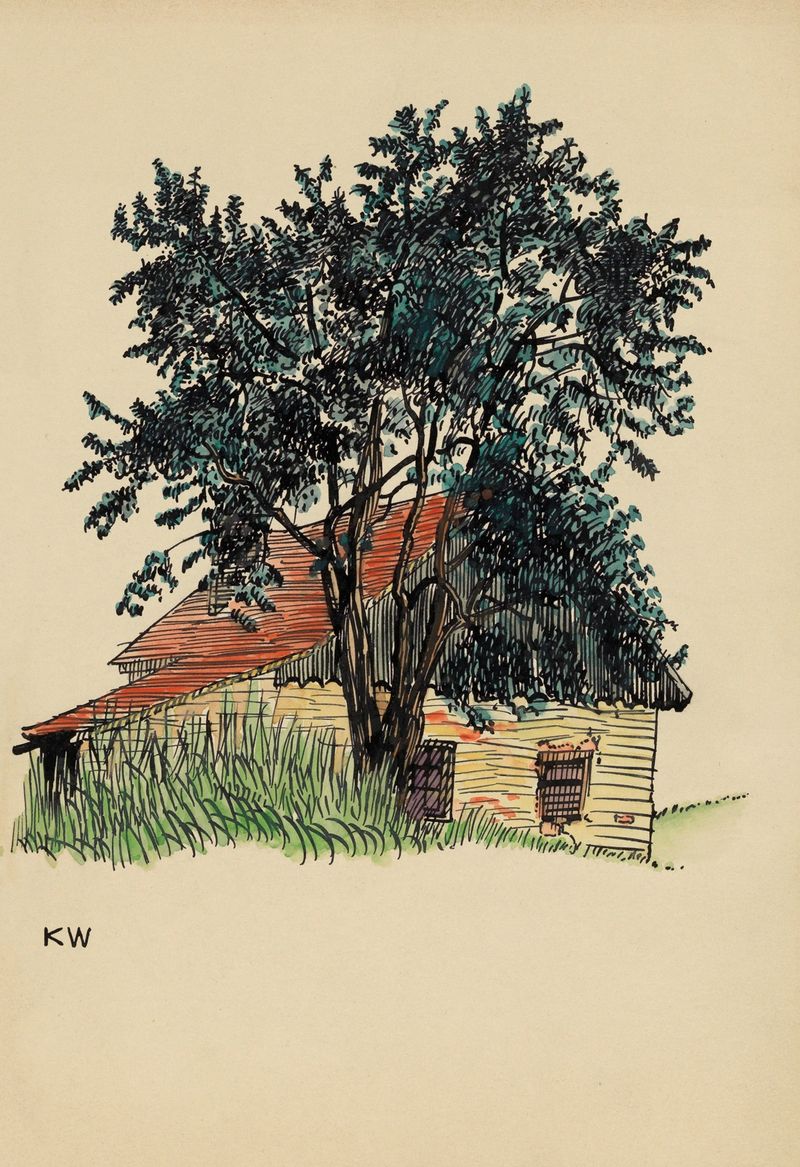
Ohne Titel (Bauernhaus)
Karl Wiener
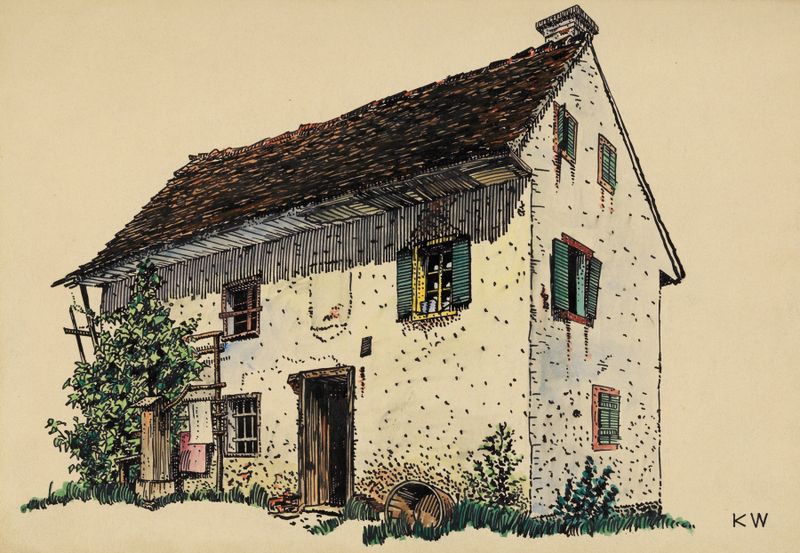
Ohne Titel (Bauernhaus)
Karl Wiener