
Old Birch Tree at the Sognefjord — History & Facts
Can beauty exist without sorrow? In Old Birch Tree at the Sognefjord, the winding branches and textured bark of a solitary tree tell a story of resilience amidst the whispers of nature's impermanence. Look to the center of the canvas, where the old birch stands tall against the backdrop of the serene fjord. The artist’s delicate brushstrokes capture the intricate patterns of the bark and foliage, while soft hues of green and brown evoke a sense of calm and timelessness. The light filters gently through the leaves, illuminating the scene with a warm glow that enchants the viewer, urging them to immerse themselves in the tranquil atmosphere. Yet, beneath this idyllic exterior lies an exploration of fragility.
The birch, though beautiful, bears the marks of age, symbolizing both the transient nature of life and the endurance of beauty. The subtle ripples in the water reflect not just the tree but also the layers of history and experience held within it. Here, Fearnley invites us to contemplate the relationship between beauty and suffering, suggesting that moments of transcendence often emerge from the deepest sorrows. In 1839, the artist was deeply influenced by Romanticism, painting in Norway as he witnessed the majestic landscapes of his homeland.
This period was marked by a growing appreciation for the sublime in nature, as well as a desire to convey emotional depth through the interplay of light and color. Fearnley's work captures this essence, illustrating how a simple tree can evoke profound reflections on life, loss, and the enduring power of beauty.
More Artworks by Thomas Fearnley
Browse all →
Norwegian Landscape, Marumfoss
Thomas Fearnley

View of the Oslofjord
Thomas Fearnley

Gudvangen
Thomas Fearnley

Stormy Landscape with a Rider
Thomas Fearnley
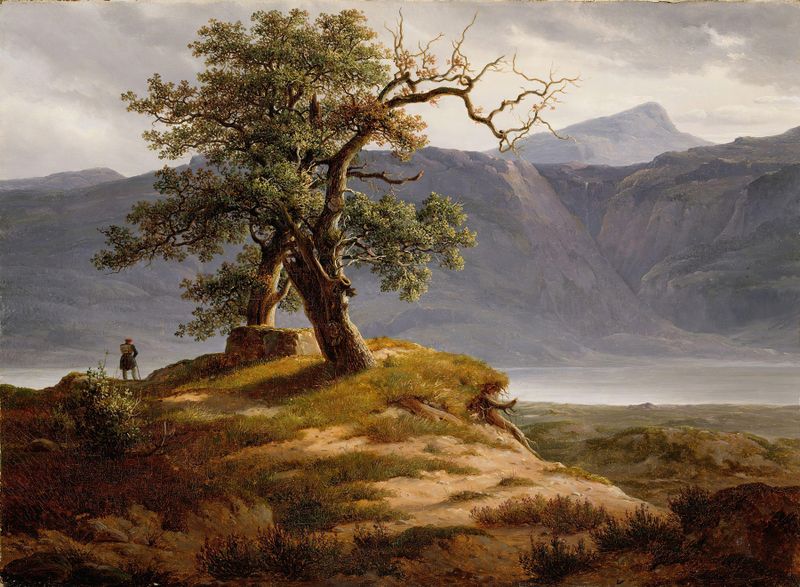
Landscape with a Wanderer
Thomas Fearnley
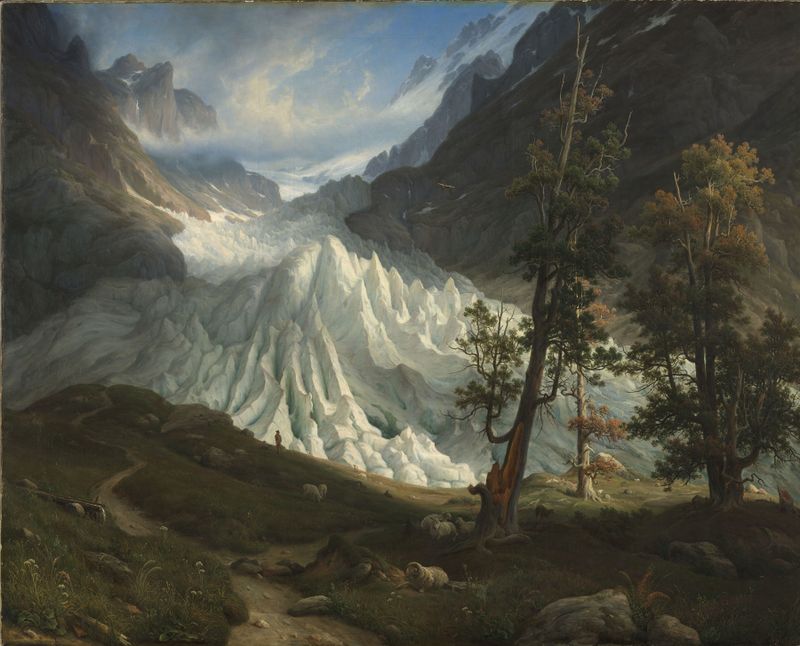
The Grindelwaldgletscher
Thomas Fearnley

Clouds over the Fjord
Thomas Fearnley
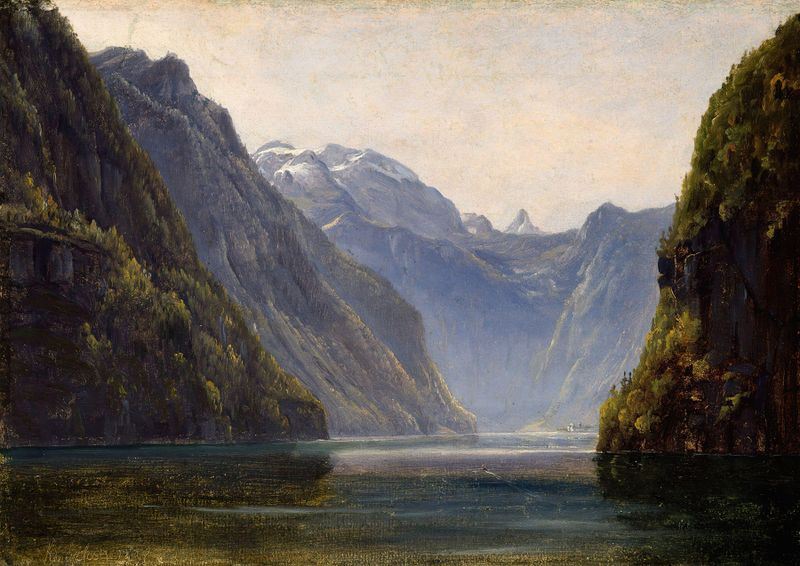
From Königssee
Thomas Fearnley

The Bridge of Hauge outside Arendal
Thomas Fearnley

King Vilhelm II’s ceremonial Processsion in Amsterdam in 1840
Thomas Fearnley





