
Old Castle Geyser — History & Facts
In the stillness of time, the essence of the landscape unfolds, revealing both grandeur and intimacy. This piece beckons the viewer to contemplate the vastness of nature, while simultaneously addressing the emptiness that can dwell within it. Focus on the geyser at the center, a powerful eruption of steam and water that dances in dynamic contrast against the untouched serenity of the surrounding terrain. The artist employs rich layers of blues and earthy browns, capturing the essence of the scene with both vibrancy and subtlety.
Notice how the light wraps around the geyser like an embrace, accentuating its explosive energy, while shadows stretch across the ground, hinting at deeper recesses of the wilderness. In this interplay of light and dark, themes of transience and permanence emerge. The geyser, a fleeting spectacle of nature's power, stands against the static backdrop of the ancient mountains, evoking thoughts about the void that time leaves behind. The tranquil water reflecting the sky suggests a longing for connection, even amid nature's raw beauty, allowing the viewer to ponder what lies beneath the surface of both the landscape and their own experiences. Created in 1874 during a transformative era in American art, Moran painted this scene while exploring the newly-established Yellowstone National Park.
The period was marked by an increasing appreciation for the American wilderness, as artists sought to capture its majesty and convey a sense of national identity. At this juncture, Moran was establishing himself as a key figure in the Hudson River School, merging realism and romanticism to evoke emotional depth and appreciation for the natural world.
More Artworks by Thomas Moran
Browse all →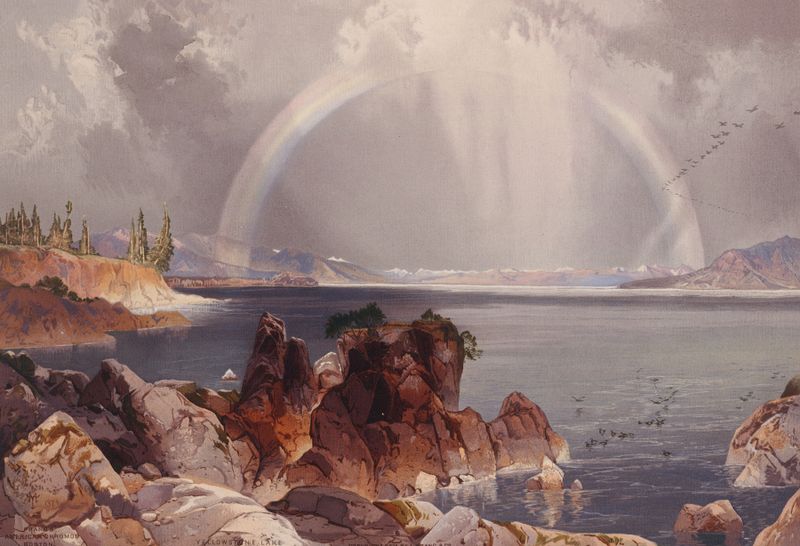
Yellowstone Lake
Thomas Moran

Grand Canyon of the Colorado River
Thomas Moran

Grand Canyon, Colorado River
Thomas Moran

The Towers of Tower Falls, Yellowstone
Thomas Moran
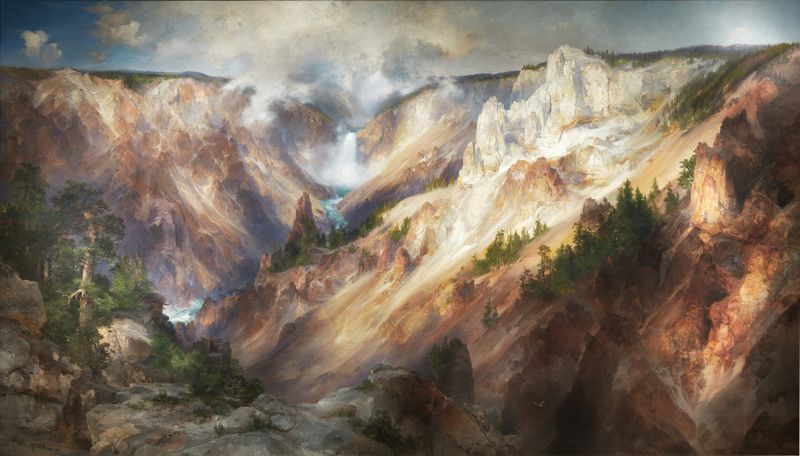
The Grand Canyon Of The Yellowstone
Thomas Moran

Mountain of the Holy Cross
Thomas Moran

Cliffs Of The Upper Colorado River, Wyoming Territory
Thomas Moran
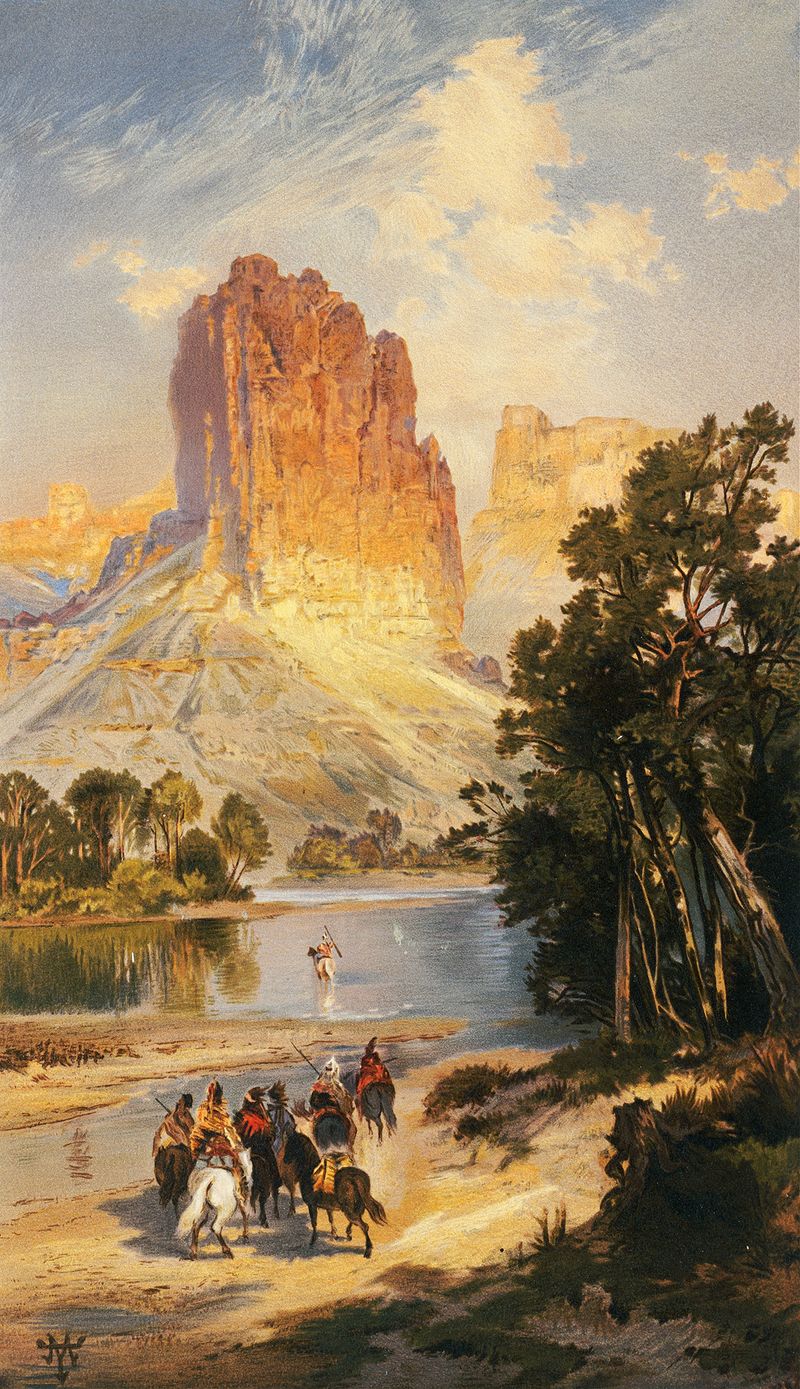
Cliffs of the Upper Colorado River, Wyoming Territory
Thomas Moran

Mammoth Hot Springs, Yellowstone
Thomas Moran
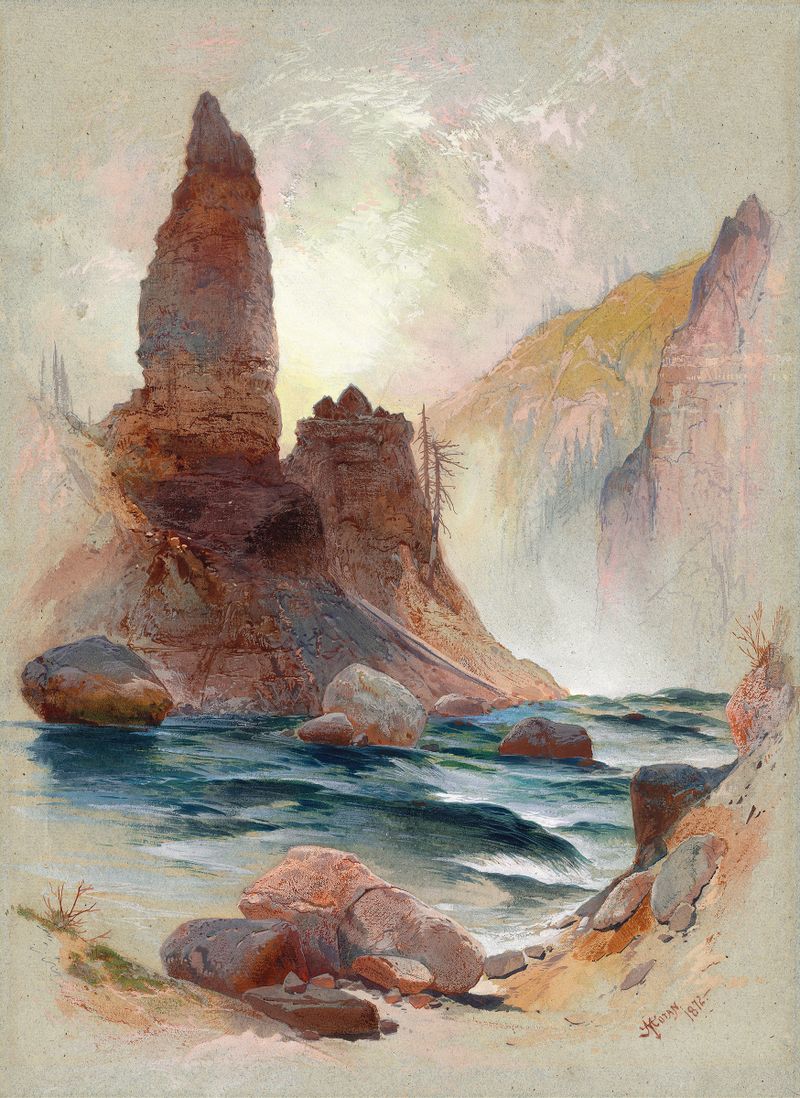
Tower at Tower Falls, Yellowstone
Thomas Moran





