Old Museum, Beauvais — History & Facts
Can beauty exist without sorrow? In the quiet corners of a museum, transformation whispers through the air, echoing stories of times lost yet cherished. Look to the left at the delicate archways, their intricate details capturing both light and shadow. Notice how the warm golden hues of the walls seem to embrace the cooler tones of the artworks displayed, creating a dialogue between past and present. The artist’s adept use of soft brushwork invites viewers into this intimate space, leading their gaze through the gallery and evoking a sense of nostalgia and reverence. Beneath the serene surface, a tapestry of emotional tension unfolds.
Each painting on the wall is a testament to human experience, hinting at the fragility of existence. The interplay of light suggests transformation, while the quiet ambiance encapsulates the weight of history, reminding us that beauty often flourishes amid sorrow. The stillness of the scene speaks to the silent conversations between viewers and the art, a shared acknowledgment of life's complexities. Created in 1917, this work emerged during a tumultuous period marked by the First World War and its aftermath.
Cameron was in Beauvais, France, at the time, a place rich in art and culture, which inspired him to reflect on the transient nature of beauty within the confines of a museum. The world of art was experiencing shifts as modernism began to challenge traditional forms, and Old Museum, Beauvais stands as a bridge between the two realms, capturing a moment where history and transformation converge.
More Artworks by David Young Cameron
Browse all →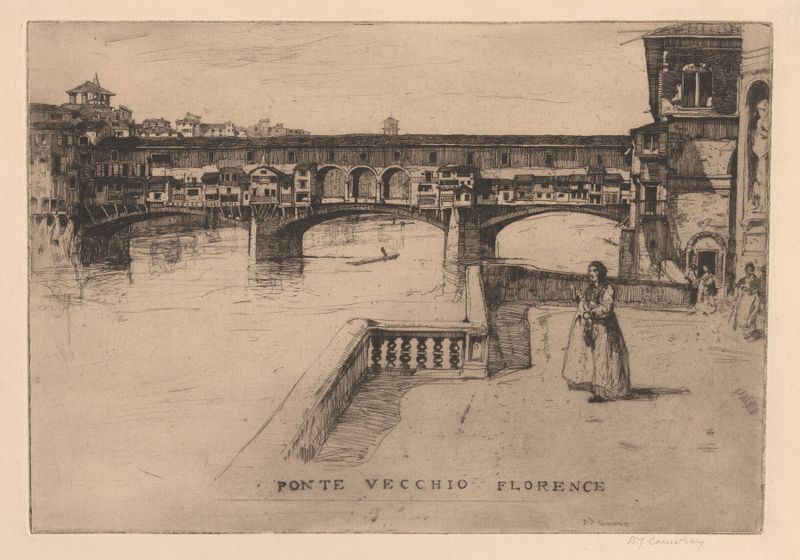
Ponte Vecchio
David Young Cameron

The Deanery, Winchester
David Young Cameron
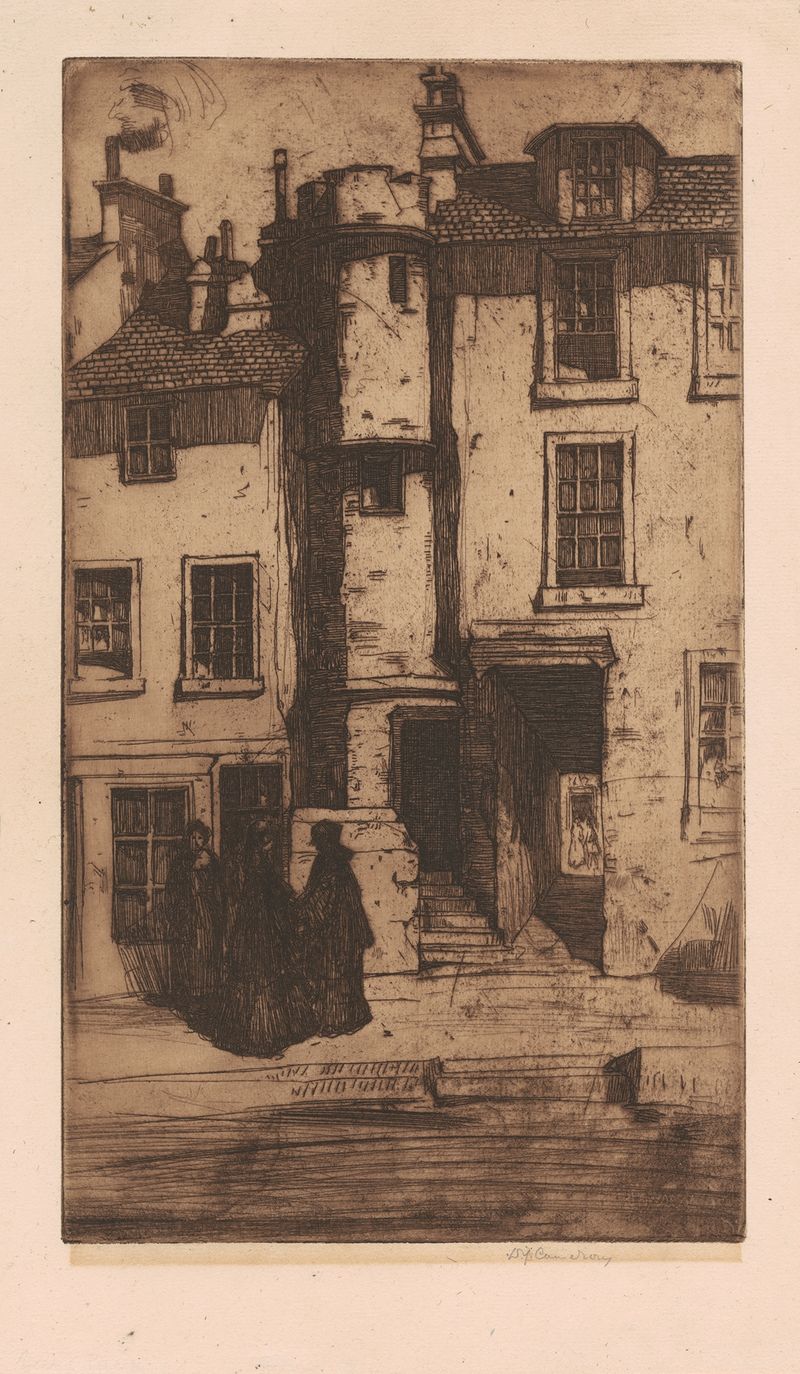
Old Houses, Stirling
David Young Cameron
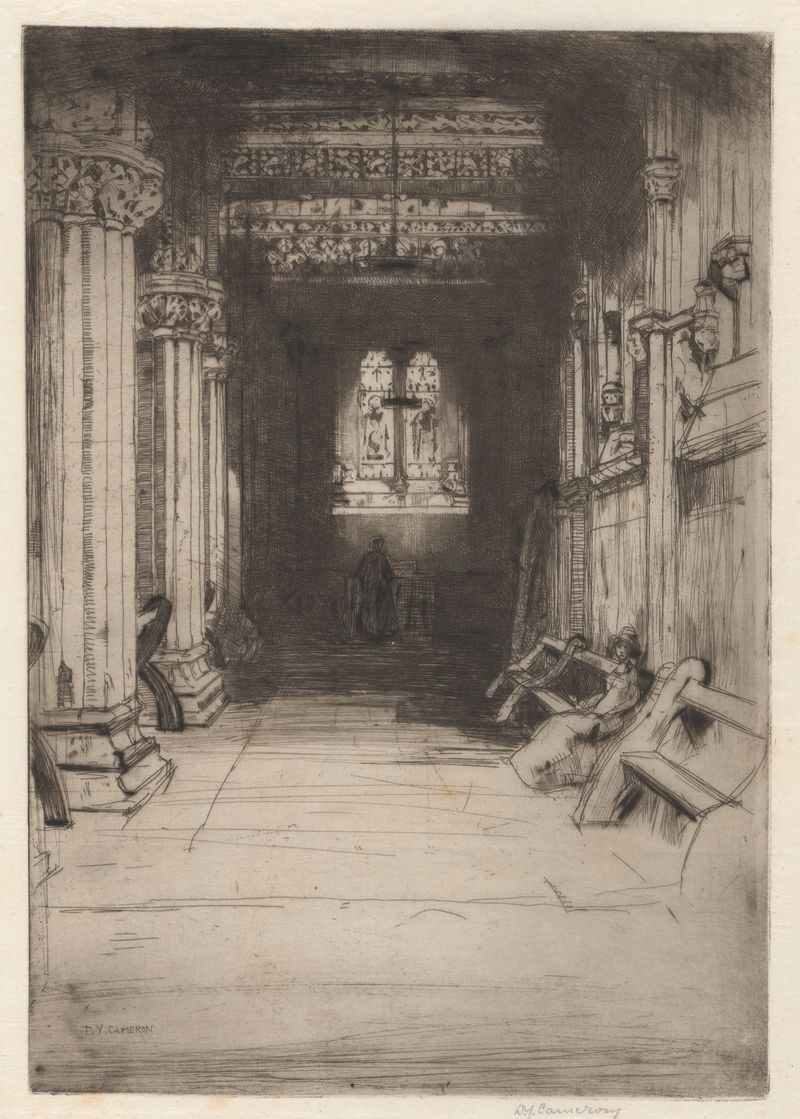
Rosslyn Chapel
David Young Cameron

The Old Museum, Beauvais
David Young Cameron
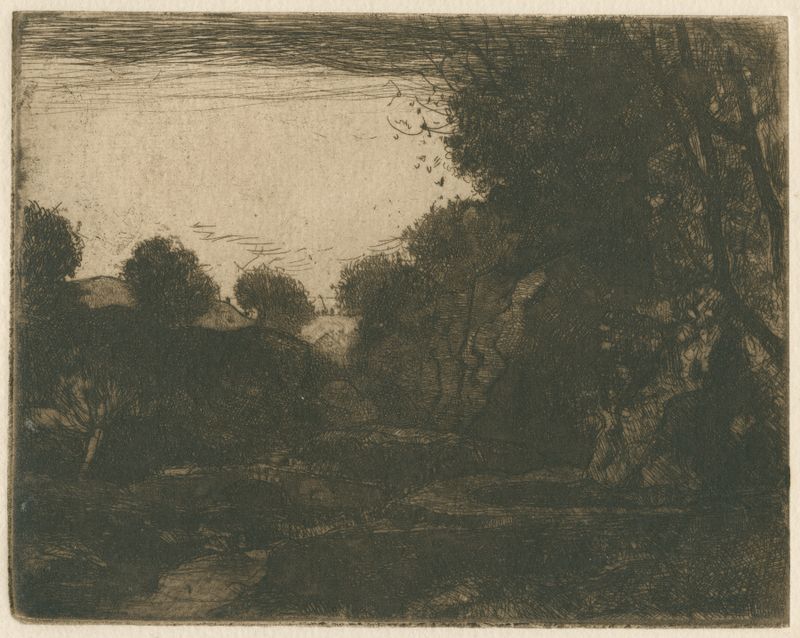
On the Bradford
David Young Cameron

The Smithy
David Young Cameron
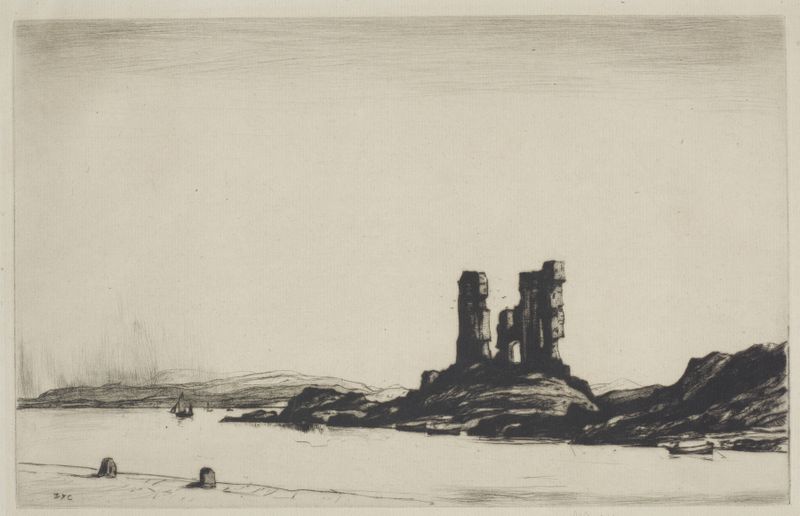
Castle Moyle
David Young Cameron
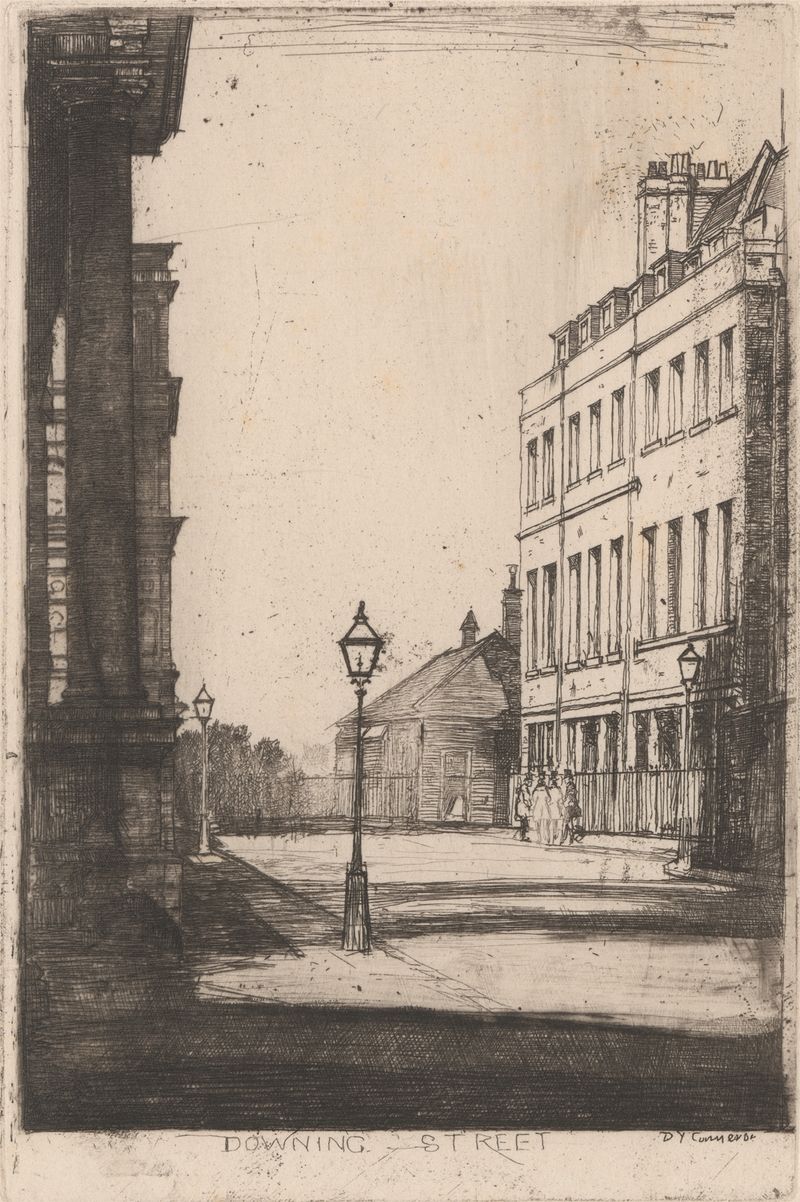
Downing Street
David Young Cameron

Glasgow Cathedral
David Young Cameron