Olive Grove at Tivoly, Italy — History & Facts
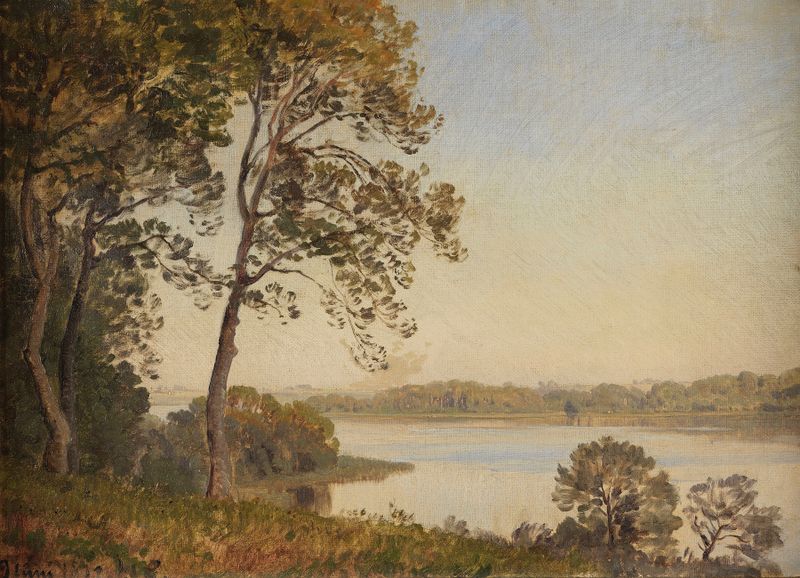
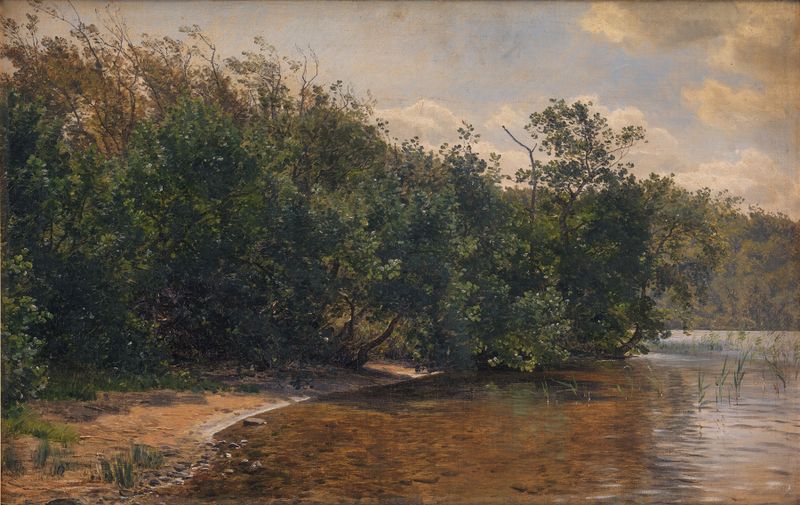
In an age where moments slip too easily through our fingers, the act of creation becomes an act of preservation, a rebellion against the relentless passage of time. Notice how your gaze is drawn first to the vibrant greens and golds of the sprawling olive trees, their gnarled trunks and delicate branches harmoniously intertwining. The landscape stretches beneath a warm, golden sunlight that dances across the canvas, creating a sense of depth and warmth. The painter’s brushstrokes, both deft and deliberate, breathe life into the scene, inviting you to wander through the serene tranquility of this Italian grove, where nature and art converge in perfect symphony. Yet, amidst the pastoral beauty lies a deeper resonance.
The olive trees, symbols of peace and endurance, whisper of traditions rooted in history, suggesting a connection to the past while standing in defiance of time’s transience. The interplay of light and shadow hints at the complexity of existence—each illuminated leaf a stark contrast to the darker recesses, reflecting the dualities inherent in life itself: creation and decay, presence and absence. In 1869, amidst the burgeoning movements of Impressionism, the artist crafted this piece while living in France, where he was influenced by the idealism of his contemporaries. The world of art was undergoing a transformation, embracing the beauty of everyday life and the subtleties of light.
La Cour, at this juncture in his career, sought to capture the essence of nature, a quiet revolt against the constraints of traditional techniques, making Olive Grove at Tivoly, Italy a significant reflection of both his personal journey and the collective evolution of artistic expression.