
The Path — History & Facts
What if beauty was never meant to be finished? In The Path, vibrant hues weave a tale of impermanence, inviting viewers to linger on the edges of creativity and existence. Look to the center of the painting where a winding path, cloaked in lush greens and dappled sunlight, beckons you forward. The artist’s use of rich, saturated colors creates a dreamlike atmosphere, drawing your gaze along the trail that seems to lead into a realm of both comfort and mystery. Surrounding trees, with their striking contrast of warm golden sunlight against deep shadows, frame the scene, establishing a dialogue between light and dark that enhances the sense of depth and perspective. As you observe, notice the way the colors blend and bleed into one another, suggesting the fluid nature of time and memory.
Each brushstroke appears both deliberate and spontaneous, embodying a tension between the finished and the unfinished, much like life itself. Here, the path represents not just a journey through nature but an exploration of the emotional resonance found in the fleeting moments we often overlook. Painted in 1896, during a period of artistic experimentation, Janus la Cour was navigating his own evolving style amid the transition from traditional realism to more impressionistic approaches. Working in a time when art was increasingly viewed as a means of personal expression, he reflected broader shifts in society that sought to capture beauty not as a static object but as an ephemeral experience, much like the path itself.
More Artworks by Janus la Cour
Browse all →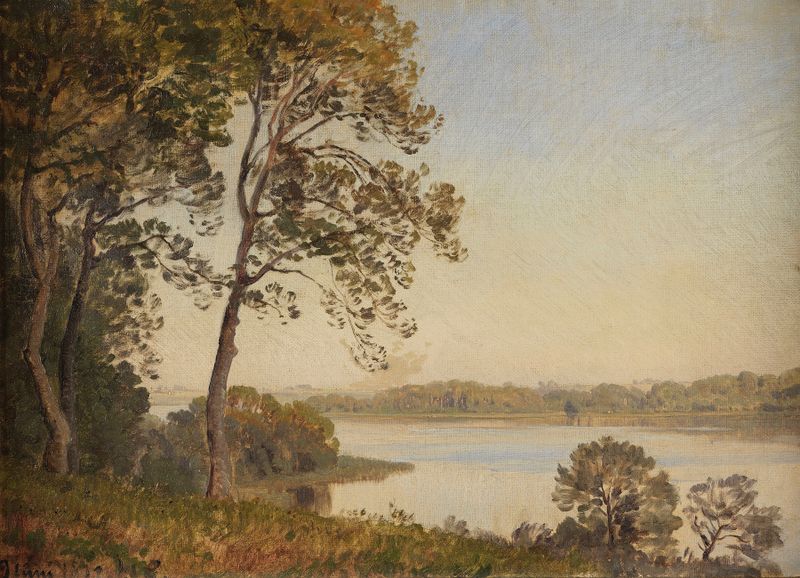
Dänische Landschaft mit Blick über einen Fjord
Janus la Cour
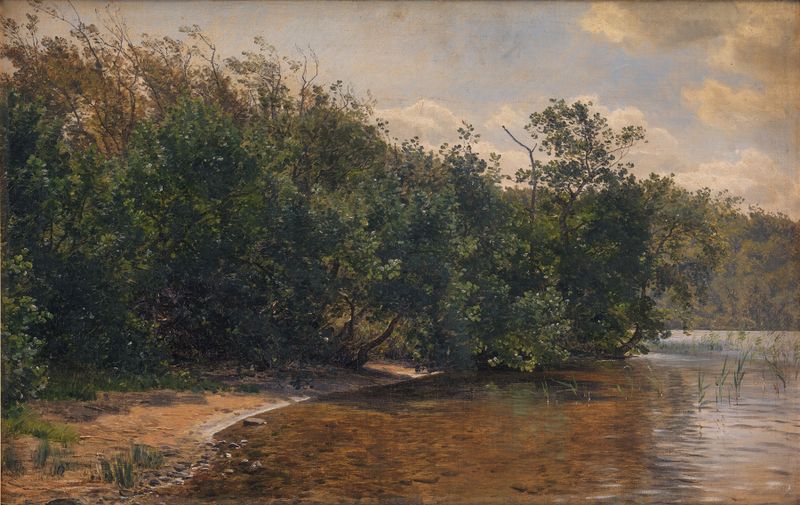
Ellebuske ved Almind Sø
Janus la Cour
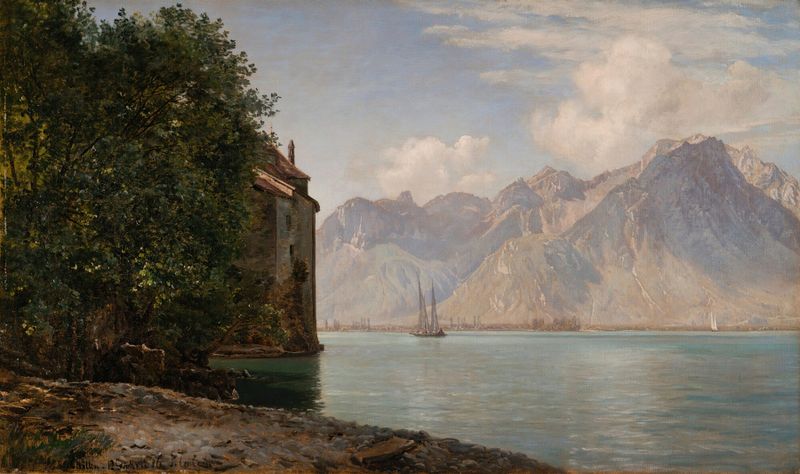
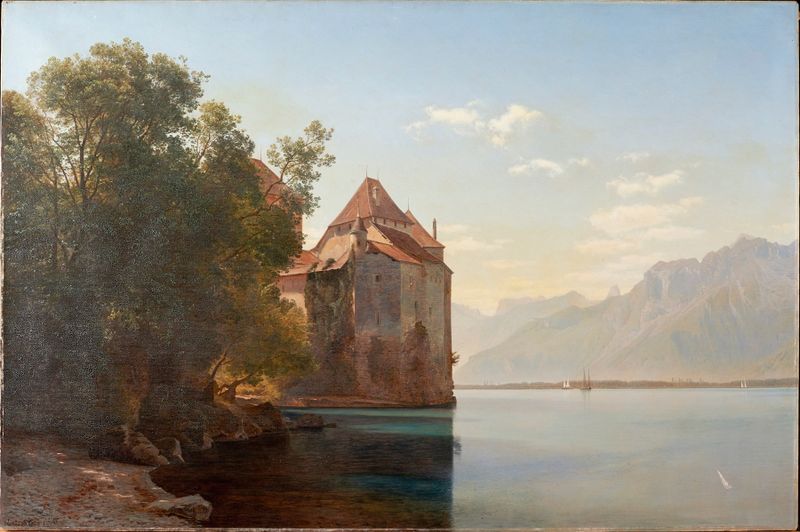
Château De Chillon, Lake Geneva
Janus la Cour

A View towards Castel Gandolfo, Italy
Janus la Cour
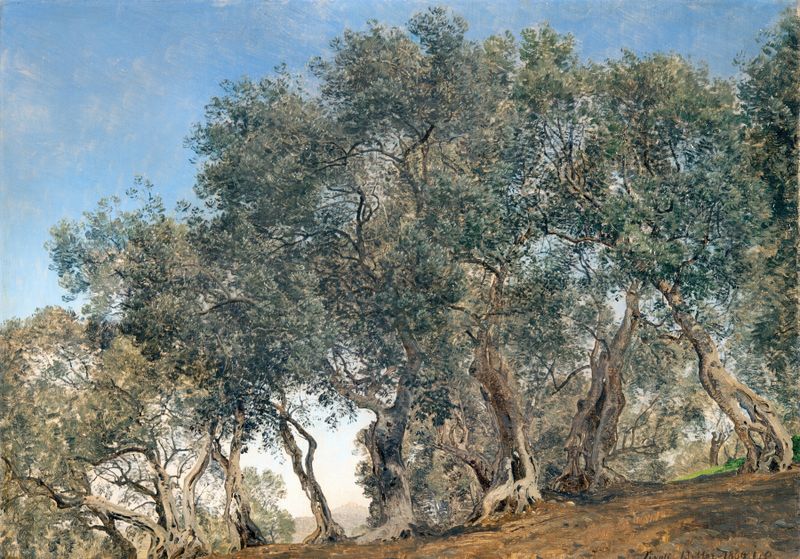
Olive Grove at Tivoly, Italy
Janus la Cour

The Gardens of the Villa d’Este, Tivoli
Janus la Cour
Castle by Lake Geneva
Janus la Cour





