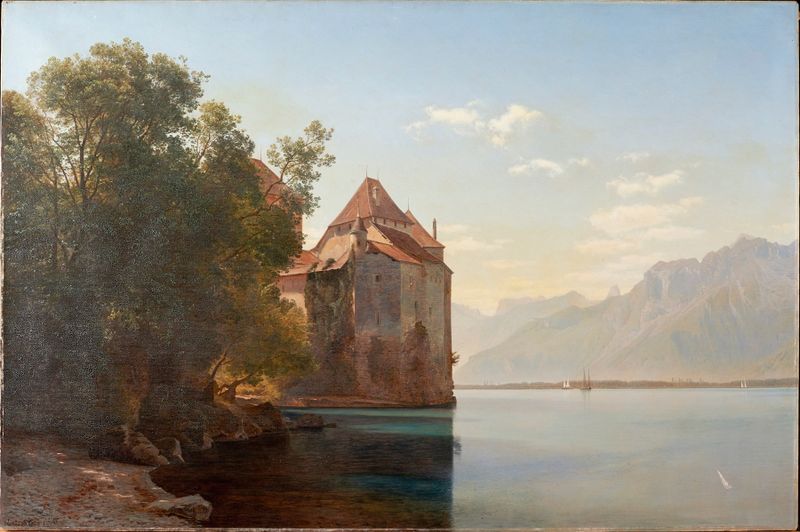
The Gardens of the Villa d’Este, Tivoli — History & Facts
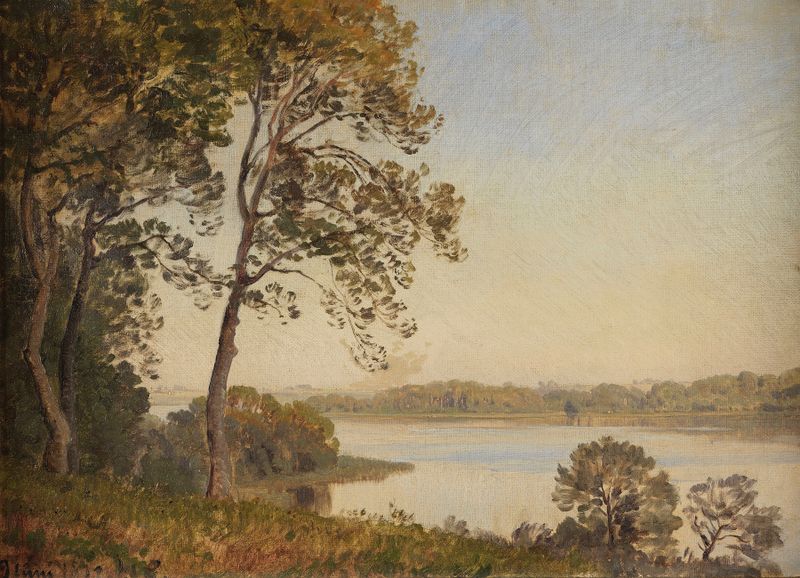
The sun hangs low over the terraced gardens, casting long shadows that dance across the meticulously arranged flora. A gentle breeze stirs the leaves, carrying the whispers of history, while the sound of a distant fountain punctuates the air with a lively splash. Here, amidst the fading vibrancy of day, figures wander through the greenery, each step echoing the legacies of those who came before. Look to the left at the cascading water, where sunlight catches the droplets, transforming them into a constellation of miniature stars.
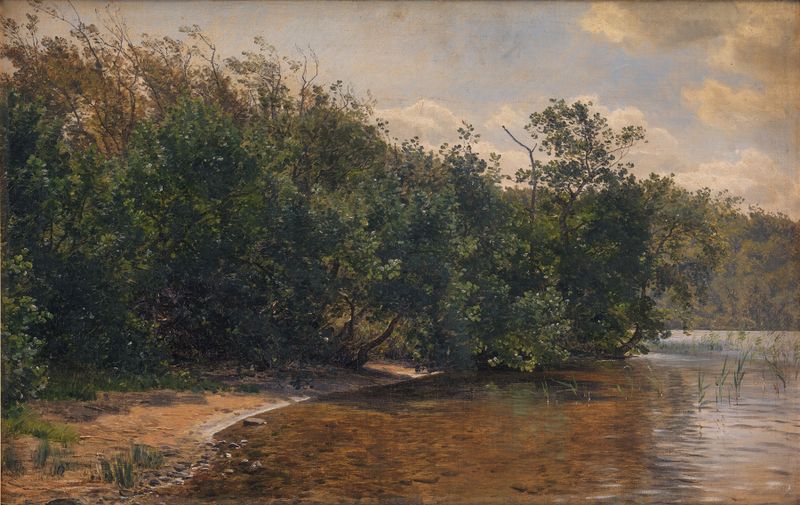
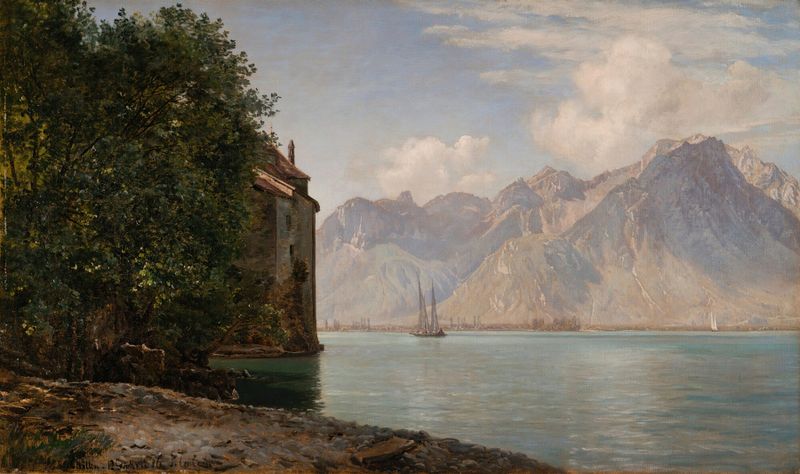
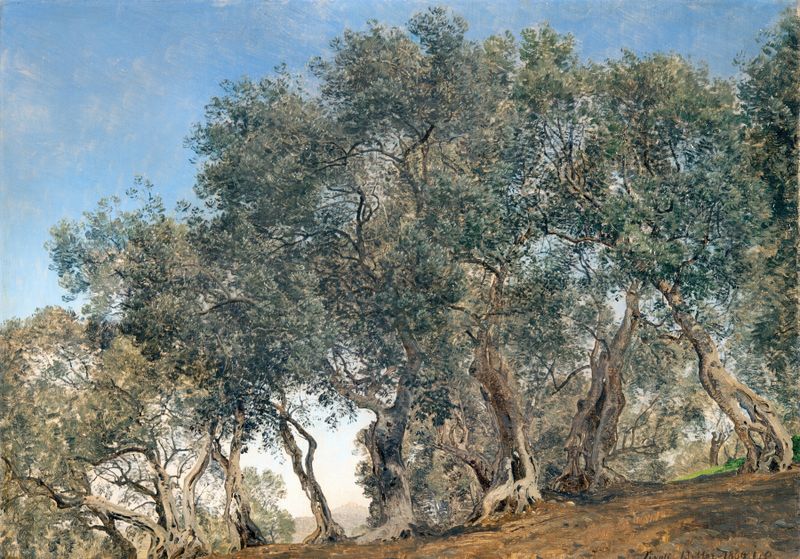
The lush greens contrast beautifully with the earthy terracotta tiles, guiding the eye through a harmonious maze of nature and design. Notice how the artist has skillfully layered the foliage, creating depth with varying shades that invite contemplation of both the scene and the passage of time. Amidst the structured beauty lies a poignant reminder of the fleeting nature of life. The vibrant blooms represent ephemeral pleasures, while the grand, stately architecture communicates the enduring strength of human ambition.
Each element in the garden encapsulates a duality: the transitory and the eternal, suggesting that while beauty may fade, its impact lingers on in memory and legacy. In 1899, Janus la Cour created this remarkable work in the historic gardens of Tivoli, Italy, during a time when France was immersed in the Art Nouveau movement. He sought to blend natural elements with the grandeur of architecture, reflecting a broader European fascination with the interplay of nature and human creation, and solidifying his place in the artistic legacy of the late 19th century.