
Olive in the Corsican Mountains — History & Facts
Can beauty exist without sorrow? In Olive in the Corsican Mountains, the lush landscape evokes a profound yearning that resonates deeply within the viewer’s psyche. Look to the center, where the olive tree stands resolutely against a backdrop of rolling mountains. Its gnarled, twisted trunk tells a story of resilience, while the vibrant greens and earthy browns contrast sharply with the soft blues and grays of the distant peaks. Notice how the light cascades through the branches, casting dappled shadows on the ground, creating an interplay of illumination that speaks to the passage of time and the weight of history. Delve into the emotional undertones: the prominence of the olive tree symbolizes peace and endurance, yet its solitary presence against the vastness of nature invokes a sense of isolation.
The serene beauty of the landscape juxtaposes the underlying tension of longing and solitude; it invites contemplation about the fragility of existence and the silent struggles nestled within serene vistas. In 1912, Ernst Schiess painted this work during a period of personal exploration and artistic evolution in his life while residing in Switzerland. The early 20th century was marked by various avant-garde movements, causing many artists to seek deeper connections with nature and their inner selves. As the world outside teetered on the brink of change, Schiess captured an essence that transcends immediate beauty, reflecting both the turmoil of his times and the eternal quest for meaning.
More Artworks by Ernst Schiess
Browse all →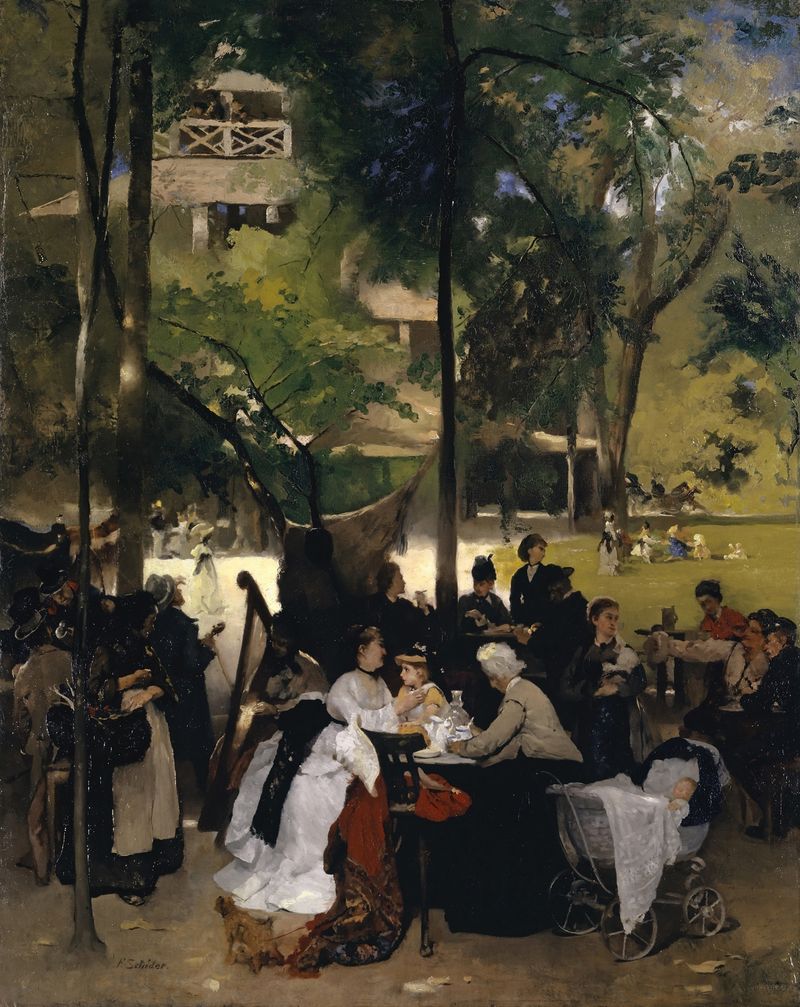
The Chinese Tower in the English Garden in Munich
Ernst Schiess

Evening Walk Above a Southern Lake
Ernst Schiess
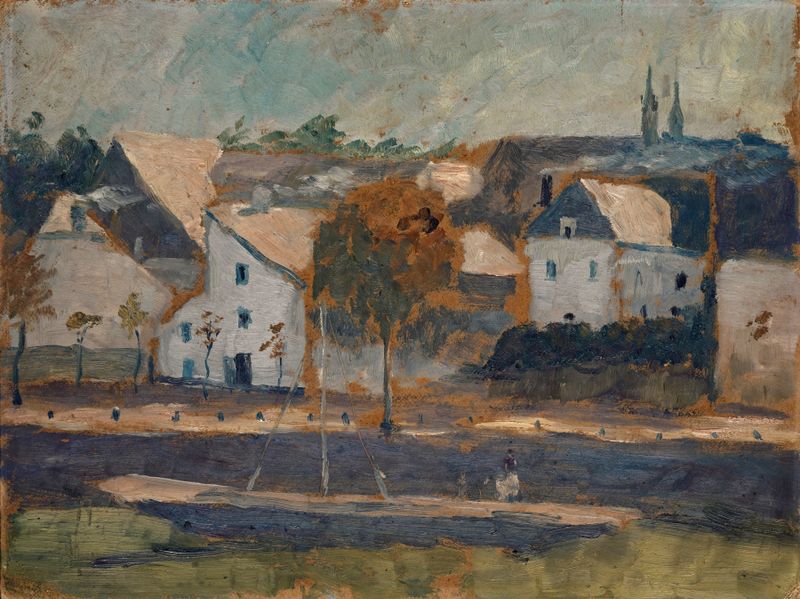
Kleine Stadt an Kanal
Ernst Schiess
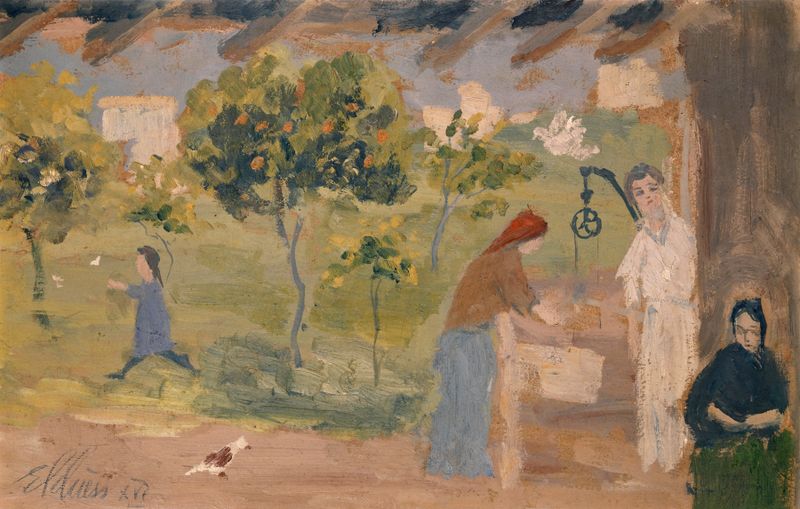
At the Fountain
Ernst Schiess

At the Harbour of Palma de Mallorca
Ernst Schiess
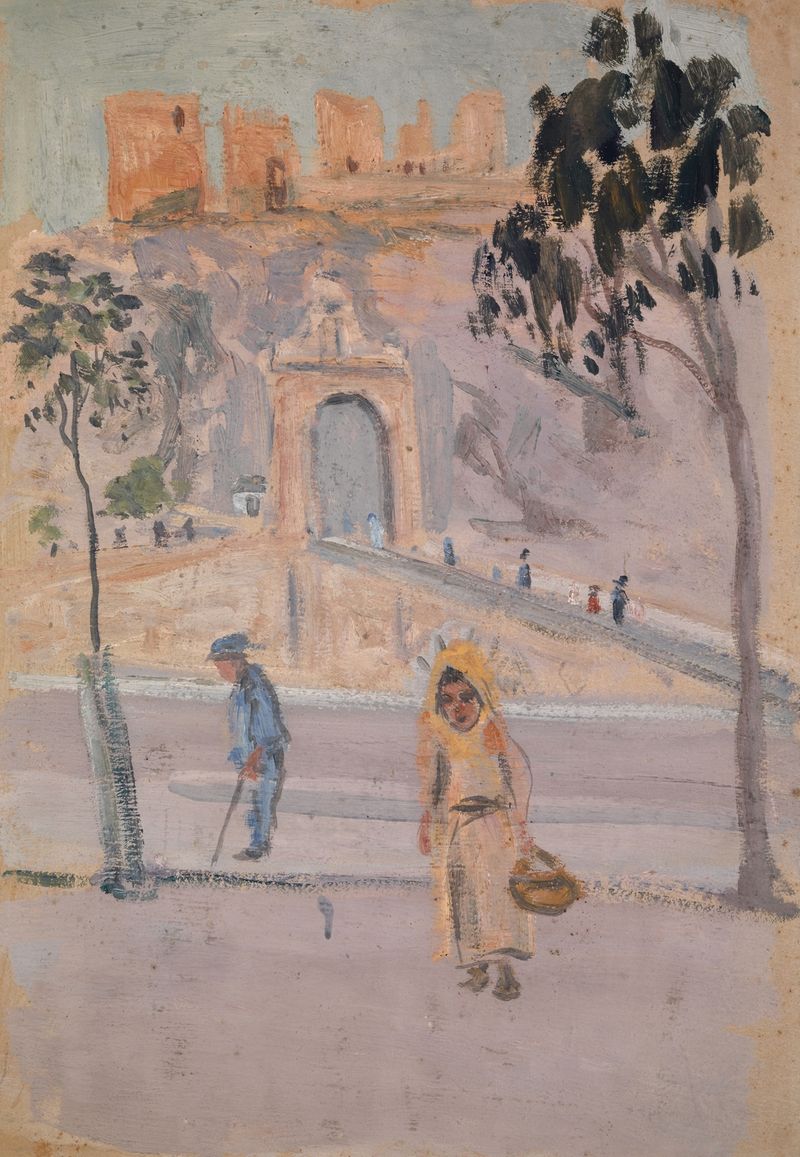
Alcantarabridge and Castillo de San Servando at Toledo
Ernst Schiess
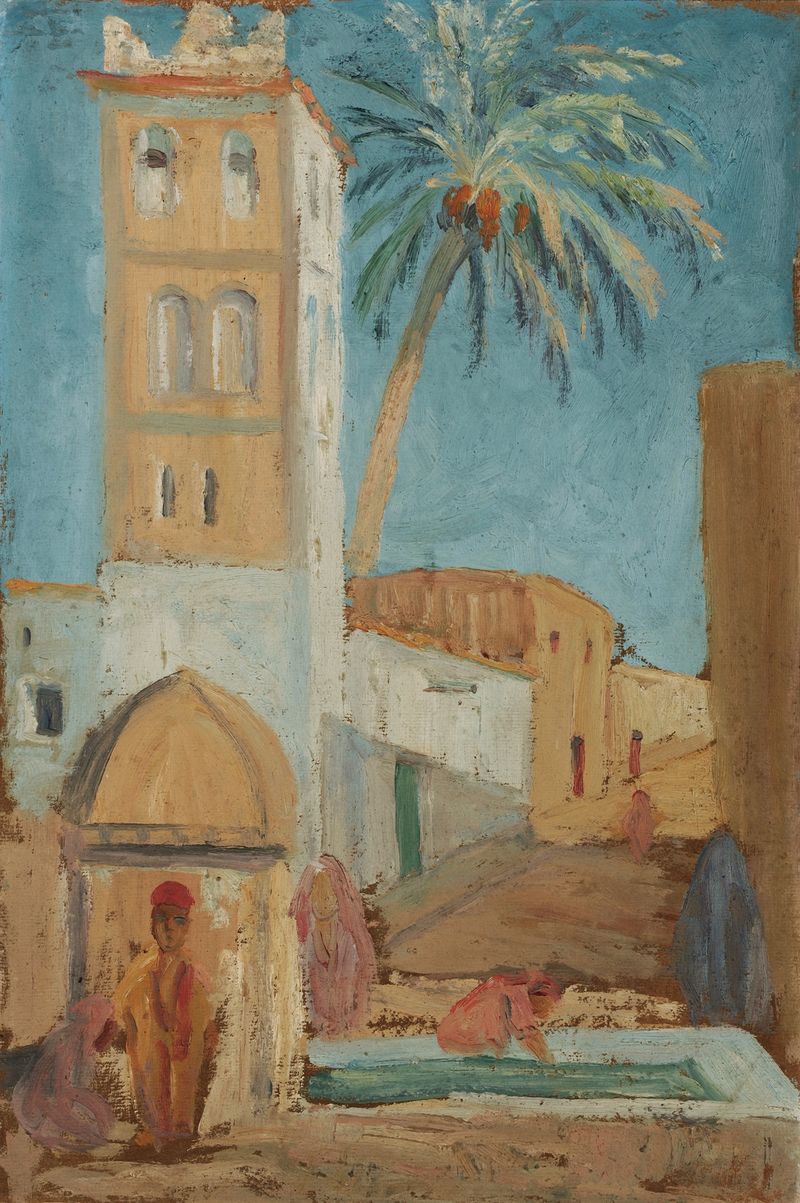
Scene at a Fountain in a Moroccan Place
Ernst Schiess
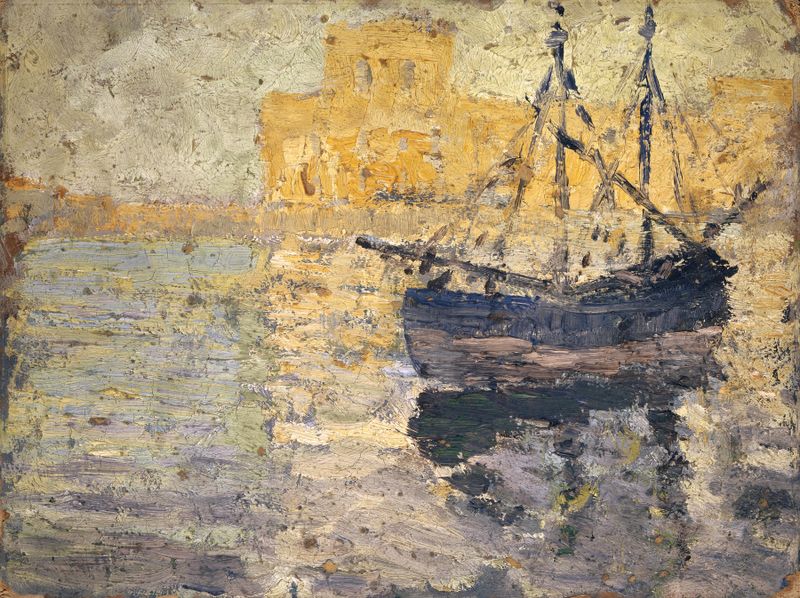
Harbour with Sailing Boat
Ernst Schiess
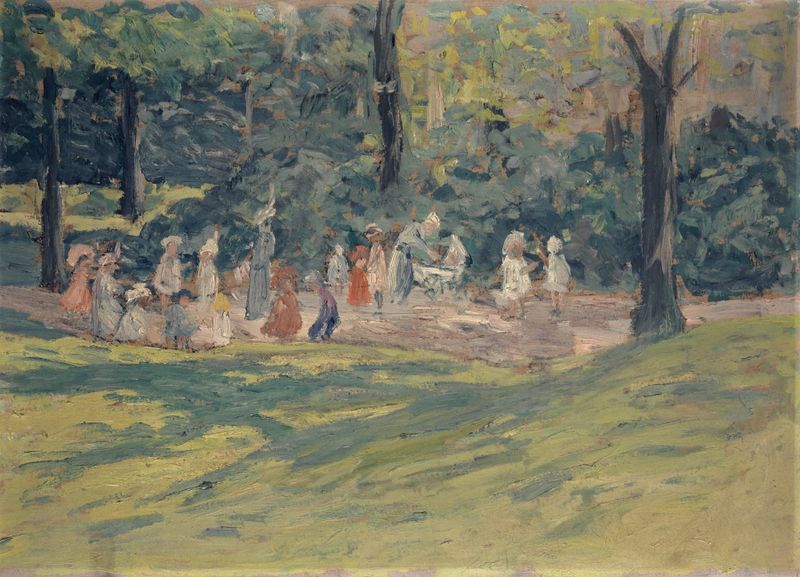
Children Playing in a Public Park
Ernst Schiess

Mohammedanischer Friedhof
Ernst Schiess





