Omuro fukin — History & Facts
Could a single brushstroke hold eternity? In the art of Omuro fukin, legacy is woven into each delicate line, inviting contemplation on the passage of time and tradition. Look to the center of the piece, where the sweeping curves and intricate patterns of the fabric draw your eye in. The artist’s deft hand creates a fluidity that suggests movement, as the vibrant colors dance against a subtle background. Notice how the blues and reds interplay, not just contrasting but breathing life into the scene, making it feel both serene and dynamic.
The interplay of light and shadow further enhances the textures, revealing the depth and craftsmanship of fabric that speaks to a rich cultural heritage. Beneath the surface, the painting encapsulates a profound dialogue between the ephemeral and the eternal. The flowing forms evoke the fragility of life, reminding us that beauty can be transient. Yet, the precision of the brushstrokes embodies a legacy that transcends time, suggesting that while moments may fade, art preserves their essence.
Each detail is an homage to the past, a whisper of stories woven into the very fabric of existence. Takahashi Hiroaki created Omuro fukin during the early 20th century, a period marked by Japan's rapid modernization and the resurgence of traditional art forms. Living in Kyoto, he was part of the Nihonga movement, which sought to revive classical Japanese techniques while grappling with the influences of Western art. This work exemplifies his commitment to preserving cultural heritage amidst a changing world, reflecting both personal and collective narratives through exquisite craftsmanship.
More Artworks by Takahashi Hiroaki
Browse all →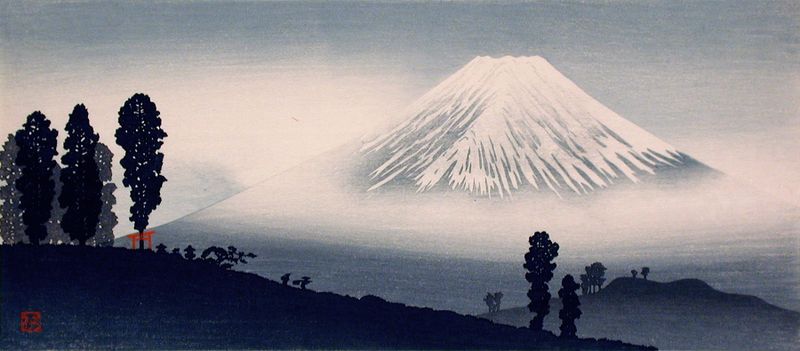
Mount Fuji
Takahashi Hiroaki

Mount Fuji seen near Tamaho, Dawn
Takahashi Hiroaki
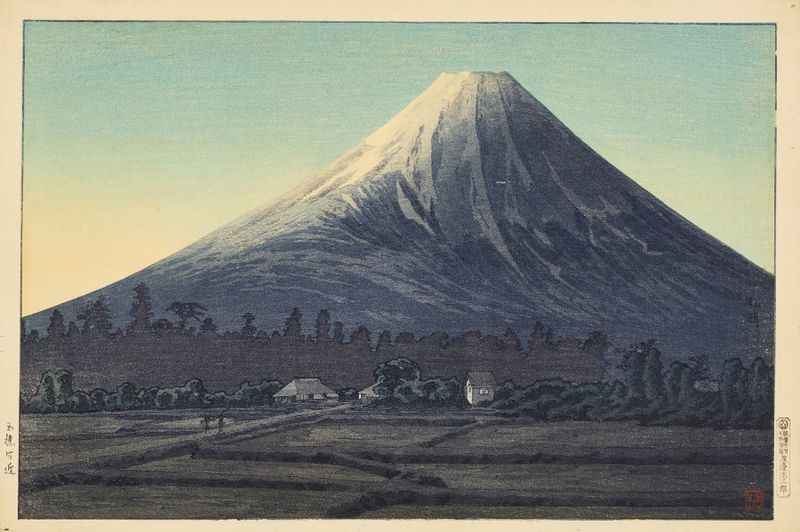
Mount Fuji seen near Tamaho, day
Takahashi Hiroaki
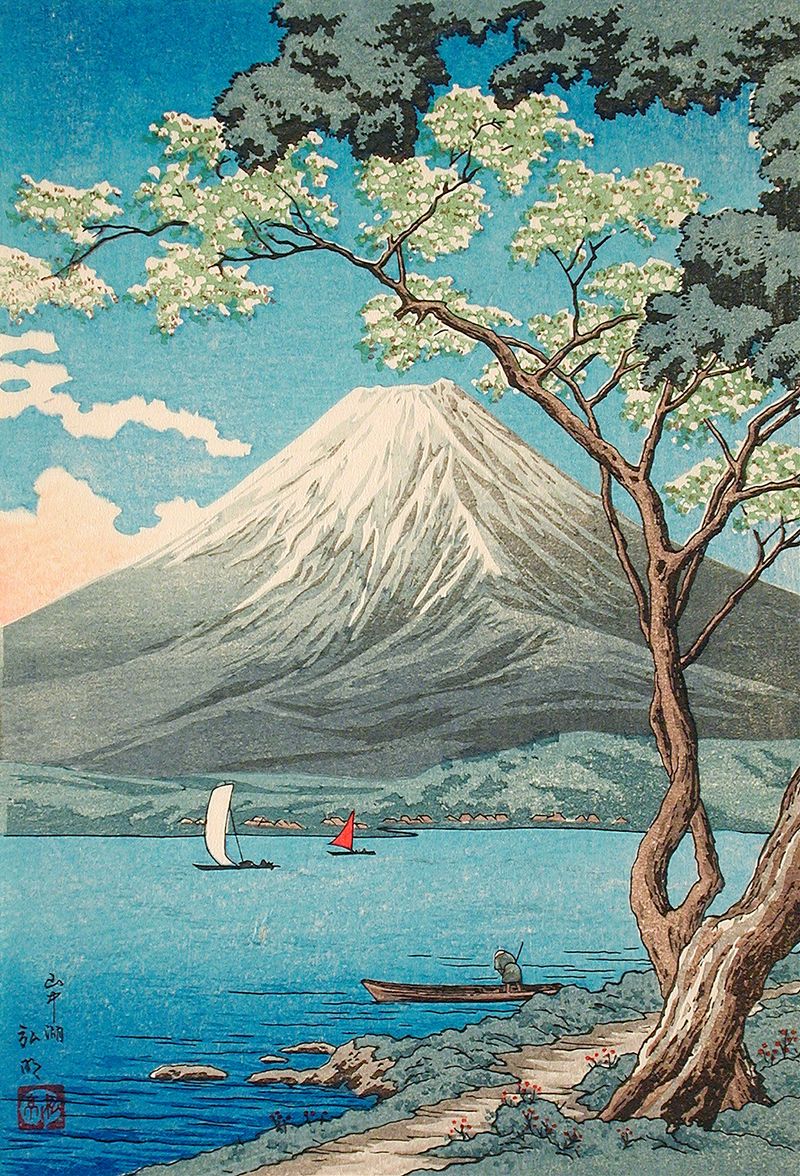
Mount Fuji from Lake Yamanaka
Takahashi Hiroaki

Mt. Fuji from Tagonoura, Snow Scene
Takahashi Hiroaki

Egoda no tsuki
Takahashi Hiroaki
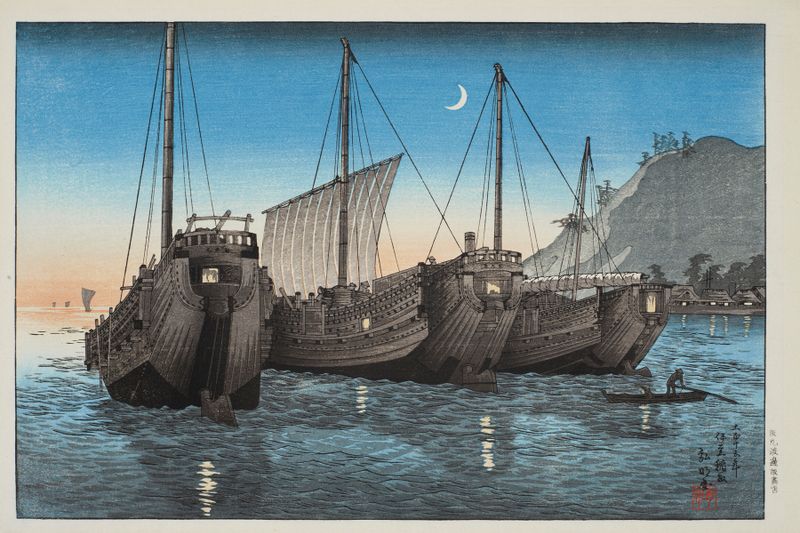
Junks in Inatori Bay, Izu
Takahashi Hiroaki

Izumibashi no ame
Takahashi Hiroaki
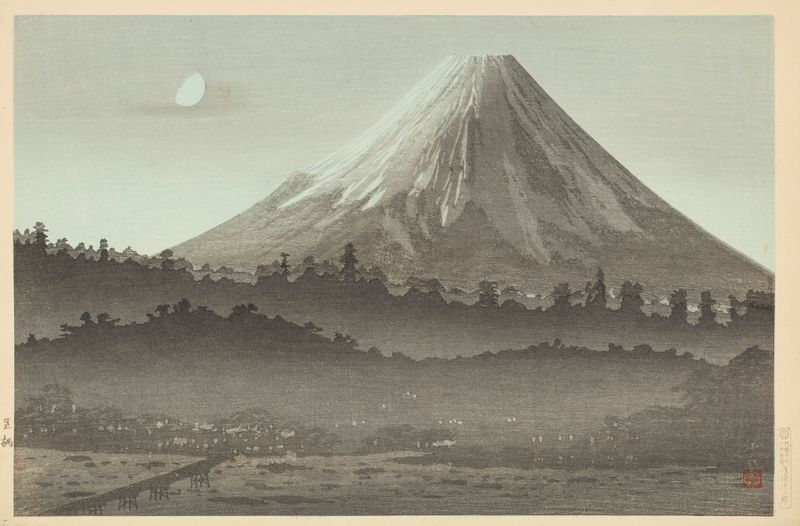
Mount Fuji seen near Tamaho, Night
Takahashi Hiroaki

Fishing nets at Tsukuda
Takahashi Hiroaki